
Class 0 vs Class 00 Gloves: Which Do You Need
When choosing electrical safety gloves, understanding the difference between Class 00 gloves and Class 0 gloves is key. Class 00 gloves offer the lowest voltage protection, rated for up to 500 volts AC or 750 volts DC. Class 0 gloves provide a higher level of protection, suitable for use up to 1,000 volts AC or 1,500 volts DC. So, for lower voltage work, Class 00 is your go-to, but always ensure your gloves meet the specific needs of your job’s electrical environment.
It’s essential to select the correct glove class for your work. Wearing gloves with insufficient protection can be extremely dangerous. Many experts recommend choosing a glove class that is one level higher than the maximum voltage you anticipate encountering. This extra buffer provides a critical margin of safety, helping to prevent serious electrical shock injuries. Always check the manufacturer’s ratings before use.
- Class 00 gloves are for low voltage (up to 500V AC).
- Class 0 gloves offer higher protection (up to 1,000V AC).
- Always pick gloves rated for voltages higher than your work environment.
- Incorrect glove class can lead to severe injury.
Let’s dive deeper into what each glove class means for your safety and how to make the right choice.
Understanding Electrical Glove Protection Classes
Choosing the right electrical gloves is absolutely critical for your safety. It’s not just about finding a comfortable pair; it’s about ensuring they offer the correct voltage protection for the work you do. You’ve likely heard of different classes, and today, we’re going to focus on two common ones: Class 00 and Class 0. Let’s break down what these mean for you and how to make sure you’re protected.
Class 00 Gloves: The First Line of Defense
Think of Class 00 gloves as your entry-level protection for electrical work. They are designed for the lowest voltage applications. We found that these gloves are rated for work up to 500 volts AC (alternating current) or 750 volts DC (direct current). If your job involves working around electrical systems that operate within these lower voltage limits, Class 00 gloves might be what you need.
When Are Class 00 Gloves Typically Used?
You’ll often find Class 00 gloves used by technicians working on low-voltage distribution systems. This could include certain types of telecommunications work or maintaining equipment that doesn’t exceed their voltage rating. The key here is that the maximum voltage present in your work area must be below 500 volts AC. It’s always better to be safe than sorry, right?
What Does “AC” and “DC” Mean for Gloves?
You might see “AC” and “DC” ratings on your gloves. Alternating Current (AC) is the type of electricity that powers most homes and businesses. Direct Current (DC) is common in battery-powered devices and some specialized industrial applications. Class 00 gloves have specific ratings for both. We found that for AC, the limit is 500 volts, and for DC, it’s 750 volts. This distinction is important for ensuring the gloves offer appropriate protection for the specific type of current you’ll encounter.
Class 0 Gloves: Stepping Up the Protection
Now, let’s talk about Class 0 gloves. These offer a higher level of protection than their Class 00 counterparts. If your work involves voltages that exceed the Class 00 limits, you’ll need to consider Class 0. They are designed and tested for use up to 1,000 volts AC or 1,500 volts DC. This makes them suitable for a wider range of electrical tasks.
Where Do Class 0 Gloves Fit In?
Many electricians and utility workers use Class 0 gloves. They are common for tasks involving medium-voltage distribution systems or when working on equipment that operates at higher voltages. For instance, if you’re performing maintenance on utility lines or certain types of industrial machinery, Class 0 gloves might be the appropriate choice. The critical factor is the maximum voltage of the system you’re working with.
The Importance of Testing and Certification
You might wonder how we know these gloves provide the protection they claim. We found that all electrical protective gloves must meet strict standards, like those set by ASTM International (specifically ASTM F496). These gloves undergo rigorous testing to ensure they can withstand specific voltage levels. Look for the certification marks on the gloves; they indicate that the gloves have been tested and meet the required safety standards for their class. This testing is non-negotiable for your safety.
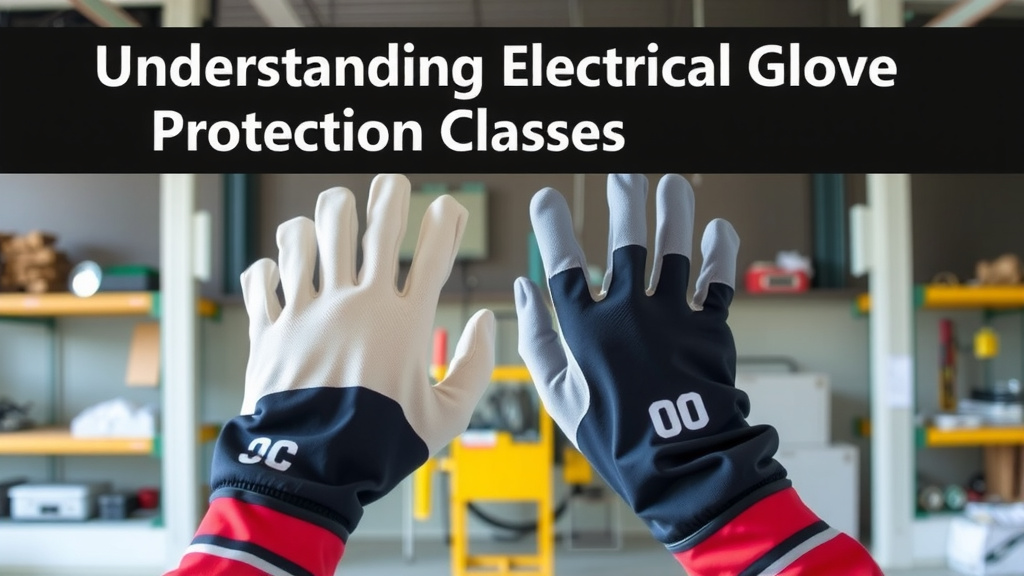
Making the Right Choice for Your Safety Needs
Deciding between Class 00 and Class 0 gloves comes down to one main question: What is the maximum voltage you will be exposed to during your work? It’s not about the average voltage; it’s about the absolute highest voltage you might encounter, even momentarily.
The “One Level Higher” Rule of Thumb
Many safety professionals and guidelines recommend choosing gloves that are rated for a voltage level one class higher than the maximum voltage of the system you’ll be working on. For example, if you’re working on a system that could reach 750 volts AC, you would not choose Class 00 gloves, even though they go up to 500 volts AC. Instead, you would step up to Class 0 gloves, which are rated for 1,000 volts AC. We found this extra buffer is a smart safety practice. It accounts for potential voltage fluctuations or unexpected events.
A Quick Comparison Table
To help you visualize the differences, here’s a simple table:
| Glove Class | Max AC Voltage Protection | Max DC Voltage Protection | Typical Use Cases |
|---|---|---|---|
| Class 00 | 500V | 750V | Low-voltage systems, certain telecom work |
| Class 0 | 1,000V | 1,500V | Medium-voltage distribution, electrical utility work |
Don’t Forget About the Other Factors!
While voltage rating is paramount, it’s not the only thing to consider. You also need to think about:
- Durability: Are the gloves made from a tough material that can withstand wear and tear?
- Fit: Do they fit you properly? Gloves that are too tight or too loose can be difficult to work with and compromise safety.
- Condition: Always inspect your gloves before each use. We found that even a small pinhole can be dangerous.
Your Safety Checklist Before Using Electrical Gloves
To ensure you’re always prepared and protected, keep this checklist in mind:
- Confirm the maximum voltage of your work environment.
- Select gloves with a voltage rating higher than your work environment’s maximum.
- Always check the ASTM F496 certification mark.
- Visually inspect gloves for any damage (cuts, holes, cracks) before use.
- Ensure gloves fit comfortably and allow for proper dexterity.
- Store gloves properly away from ozone, heat, and direct sunlight.
Conclusion
Choosing between Class 00 and Class 0 electrical gloves boils down to understanding your specific work environment’s voltage. Class 00 offers protection up to 500V AC, ideal for low-voltage tasks, while Class 0 steps up to 1,000V AC for more demanding jobs. Remember, always select gloves rated one level higher than your maximum anticipated voltage. Inspecting your gloves before every use is also a non-negotiable step in ensuring your personal safety. Make informed choices to protect yourself effectively on the job.
Frequently Asked Questions
How do I know if I need Class 00 or Class 0 gloves?
You need to determine the absolute maximum voltage you’ll encounter in your work environment. If that maximum is 500V AC or less, Class 00 gloves might suffice. If it’s above 500V AC but not exceeding 1,000V AC, then Class 0 gloves are your choice.
Is it ever okay to use Class 00 gloves on a 750V DC system?
No, that would be unsafe. While Class 00 gloves are rated for up to 750V DC, the “one level higher” rule of thumb is important. For systems operating at 750V DC, you should consider gloves rated higher than Class 00 to ensure an adequate safety margin.
What happens if I use gloves with a lower voltage rating than my work requires?
Using gloves with an insufficient voltage rating is extremely dangerous. It significantly increases your risk of severe electrical shock, burns, or even electrocution. Always prioritize safety by matching or exceeding the required protection level.
Are there any visual cues that tell me a glove is no longer safe to use?
Yes, always inspect your gloves for visible damage. Look for any cuts, nicks, tears, punctures, abrasions, or even signs of aging like hardening or cracking. Even a small defect can compromise the glove’s protective integrity.
Where can I find the voltage rating on electrical gloves?
The voltage class rating, along with other important safety information like the ASTM certification mark, is typically printed directly on the glove itself. You should also find this information on the manufacturer’s packaging and technical data sheets.