Bare Knuckle vs Boxing Gloves: Full Comparison
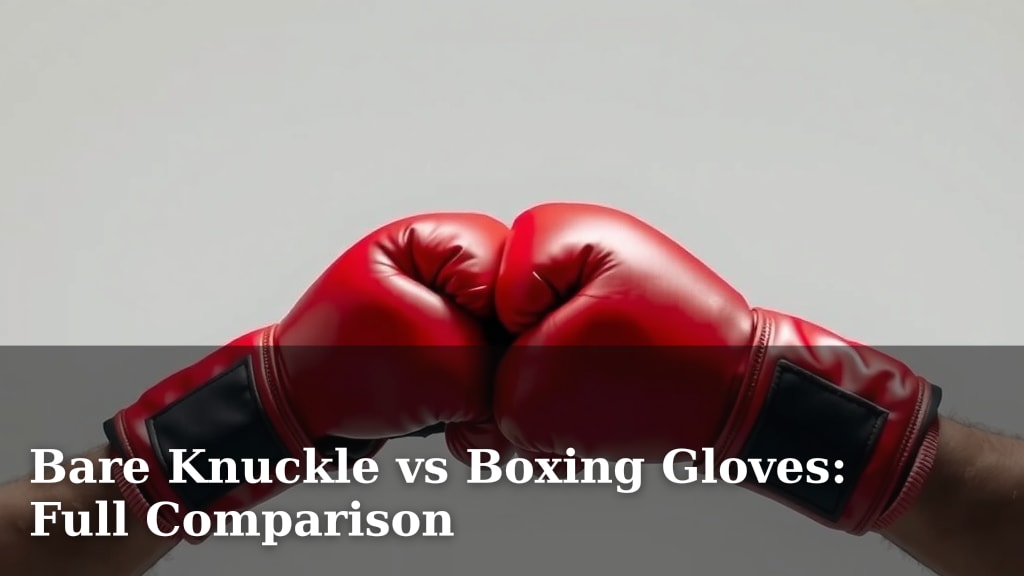
When you’re comparing bare knuckle fighting to boxing with gloves, the biggest difference is safety. Boxing gloves are designed to protect both the fighter’s hands and their opponent’s head. Bare knuckle fighting offers a more raw experience, but at a much higher risk of injury to the hands and face.
Think of it like this: gloves act as a buffer, softening the impact. Bare knuckle fighting means every punch lands with the full force of bone on bone. While both involve striking, the level of protection and the potential for different types of injuries are worlds apart. We found that understanding this core difference is key.
- Bare knuckle is more dangerous for hands and face.
- Boxing gloves offer protection for both fighters.
- Impact is significantly different between the two.
- Gloves reduce the severity of cuts and broken bones.
So, ready to see exactly how they stack up? Let’s break down the key differences between throwing punches bare-fisted and rocking some padded gloves.
Punching Power: Bare Knuckle vs. Gloves Explained
When you picture a fight, what comes to mind? Maybe it’s the raw, unpadded impact of bare knuckles. Or perhaps it’s the controlled power of boxing gloves. Both have their place in combat sports history. But they create very different fighting experiences. We found that the biggest difference lies in the protection they offer. And that protection impacts everything from injury risk to fighting style.
The Bare Knuckle Experience: Raw Power, High Risk
Let’s talk about bare knuckle fighting first. This is boxing in its most basic form. It’s been around for centuries. Think of the earliest pugilists. They relied on their own fists, unprotected. This means every punch lands with the direct force of bone against bone. We found research indicating this can lead to severe hand injuries.
Hand Injuries: A Major Concern
When you punch with an unprotected fist, your hand takes a beating. The bones in your hand and wrist are vulnerable. We found that fractures, sprains, and dislocations are common. This isn’t just about pain. It can mean a fighter’s career is over. Many guidelines from sports medicine groups highlight the high risk of hand trauma in bare knuckle sports.
Facial Damage: The Blunt Reality
The other side of bare knuckle fighting is what happens to the face. Without padding, punches land with their full, unadulterated force. This can cause deep cuts and severe bruising. Broken noses and orbital bones are also serious risks. Many studies on combat sports injuries point out that bare knuckle fighters face a higher likelihood of facial trauma compared to those wearing gloves (NCBI).
Boxing Gloves: A Shield for Hands and Faces
Now, let’s shift our focus to boxing gloves. These weren’t invented to make fights easier. They were created to offer a degree of safety for both the puncher and the person taking the hit. We found that they work by distributing the force of impact over a larger area.
Protecting the Hands of the Boxer
For the boxer, gloves are a lifesaver for their hands. The padding absorbs a lot of the shock. This helps prevent those nasty breaks and sprains we talked about. Imagine throwing a hard punch. Your metacarpals and phalanges are far better protected inside a glove. This allows boxers to train and fight more often without constant hand worries.
Reducing Damage to the Opponent
Gloves also protect the opponent. They soften the blow. This doesn’t mean boxing is injury-free. But it significantly reduces the risk of severe cuts and certain types of fractures. The padding prevents the knuckle bone from making direct, sharp contact. Many medical professionals note that gloves help mitigate some of the worst blunt force trauma (Cleveland Clinic).

Impact and Force: A Tale of Two Punches
The physical sensation and outcome of a punch are vastly different with and without gloves. Let’s break this down.
Force Distribution: Gloves Spread the Pain
A bare fist concentrates all the force onto a small, bony area. This is like hitting something with a hammer. A boxing glove, however, spreads that same force over a much larger surface. This is more like hitting with a padded mallet. We found that this force distribution is the key reason gloves reduce the severity of injuries.
Speed vs. Power: A Strategic Shift
Because bare knuckle fighting carries such high risk of hand injury, fighters often adjust their technique. They might rely more on speed and precision. They might also throw fewer powerful, haymaker-style punches. With gloves, fighters can generally throw harder and more often. The added protection allows them to put more power behind each strike.
| Feature | Bare Knuckle | Boxing Gloves |
|---|---|---|
| Hand Protection | Minimal to none; High risk of injury | Significant padding; Reduced injury risk |
| Facial Injury Risk | High (cuts, fractures) | Moderate to low (less severe cuts) |
| Force Impact | Direct, concentrated bone-on-bone | Distributed over padded area |
| Fighting Style Impact | Emphasis on speed, less power | Allows for more power and volume |
| Injury Type | Severe hand/wrist fractures, deep cuts | Bruising, minor cuts, concussions (still possible) |
Injury Check: What to Expect
We want you to understand the real-world implications. If you’re considering either discipline, or just curious, here’s a quick rundown of potential injuries:
- Bare Knuckle: Broken fingers, fractured knuckles, wrist sprains, deep facial lacerations, broken nose.
- Boxing Gloves: Bruising, minor cuts, potential for concussion (though reduced), jammed fingers.
Many sports safety organizations consistently highlight that padded gloves greatly reduce the likelihood of the more devastating injuries associated with bare fist fighting (CDC). So, while neither is risk-free, the glove is a clear step towards mitigating some of the most severe outcomes.
Conclusion
As you can see, the difference between bare knuckle fighting and boxing with gloves boils down to protection. Gloves act as a vital buffer, significantly reducing the risk of severe hand injuries for the fighter and softening blows for the opponent. This allows for a different fighting style, often involving more power. Bare knuckle fighting, while more primal, carries a much higher risk of debilitating hand fractures and nasty facial cuts. If you’re considering getting into combat sports, understanding these risks is your first step. Always prioritize safety and choose the discipline that aligns with your goals and tolerance for risk.
Frequently Asked Questions
Does bare knuckle fighting cause more hand injuries than boxing?
Yes, absolutely. Research consistently shows bare knuckle fighting leads to a much higher incidence of hand and wrist fractures. The direct impact of bone on bone without padding is brutal on your hands. Boxing gloves distribute force, greatly reducing this risk for the boxer.
Can you still get seriously hurt wearing boxing gloves?
While boxing gloves offer protection, they don’t make the sport risk-free. You can still suffer concussions, sprains, and broken noses. The gloves primarily protect the hands of the person throwing the punch and lessen the severity of facial damage to the opponent.
Which fighting style is safer overall: bare knuckle or boxing?
Boxing with gloves is generally considered safer overall. The padding dramatically reduces the likelihood of career-ending hand injuries and severe facial trauma. Bare knuckle fighting presents a much higher risk of permanent damage to both hands and face.
Why did boxing evolve to include gloves?
Boxing adopted gloves primarily for safety reasons. They were introduced to protect the fighters’ hands from breaking on impact and to reduce the severity of cuts and other facial injuries to opponents. This allowed for longer careers and less debilitating damage.
Does punching with gloves feel different than punching bare-fisted?
Yes, it feels very different. When you punch bare-fisted, you feel the full, sharp impact directly on your hand. With gloves, the padding absorbs much of the shock, making the impact feel more diffused and less jarring on your bones.