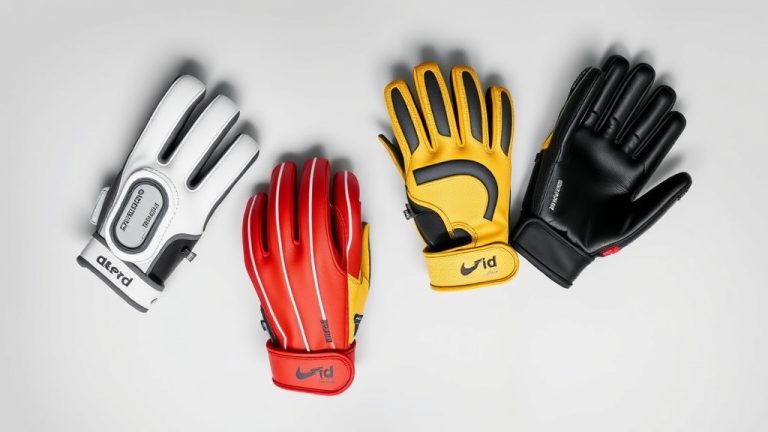
16 oz vs 14 oz Gloves: Full Comparison Guide
When choosing boxing gloves, the 16 oz vs 14 oz debate often comes up. Generally, 16 oz gloves offer more padding for protection during sparring, while 14 oz gloves provide a balance for training and bag work. Your choice depends on your specific training needs and safety goals.
Understanding the weight differences helps you make a smarter decision for your hands and your training partner’s safety. This seemingly small ounce difference can impact your workout experience and long-term hand health. It’s all about finding the right glove for your fight.
- 16 oz gloves are best for sparring, offering maximum cushioning.
- 14 oz gloves are a good all-around choice for training and bag work.
- Consider your training type and partner’s safety.
- Hand protection and comfort are key factors.
- Weight affects both the wearer and who they train with.
Let’s break down exactly what these differences mean for your training and help you pick the perfect pair.
Understanding Glove Weights: 16 oz vs. 14 oz for Your Training
So, you’re staring at boxing gloves and wondering about that ounce difference. It seems small, but 16 oz vs 14 oz gloves can make a noticeable impact. Generally, heavier gloves mean more padding. This extra cushioning is super important for protecting your hands and your training partner. We’ll break down exactly what that means for your workouts.
The Padding Difference: What Ounces Really Mean
When we talk about glove weight, we’re really talking about the amount of padding inside. More ounces means more filling. This filling absorbs impact. So, a 16 oz glove has more padding than a 14 oz glove. This is the core difference between them, affecting how they feel and perform.
Who Needs 16 oz Gloves?
Sixteen-ounce gloves are often called the sparring standard. Why? Because they offer the most protection. When you’re sparring, you’re hitting another person. You want to make sure you’re not hurting them, and they’re not hurting you. The extra padding in 16 oz gloves helps cushion those blows. Many training facilities actually require 16 oz gloves for sparring sessions to ensure everyone’s safety. This is a widely accepted guideline in many boxing communities.
Sparring: Where 16 oz Shines
Sparring is an intense part of boxing training. You’re practicing fight scenarios. You need gloves that can handle repeated impact without causing injury. 16 oz gloves provide that generous cushioning. They protect your knuckles and wrists better than lighter gloves. Plus, they reduce the force of your punches on your partner. It’s about responsible training and protecting your training mates.
Hand Protection for Heavy Hitters
If you’re someone who hits hard or is worried about hand injuries, 16 oz gloves are a smart choice. They offer a higher level of security for your hands. Research suggests that adequate padding is key to preventing common boxing injuries like fractures and sprains (National Center for Health Statistics). So, if you’re looking for maximum hand safety, lean towards 16 oz.
Who Needs 14 oz Gloves?
Fourteen-ounce gloves are often considered the versatile workhorse. They’re a great middle ground. They offer decent padding for protection but are lighter than 16 oz gloves. This makes them suitable for a wider range of training activities. They provide a good balance between protection and the ability to feel your punches.
Bag Work and Pad Training
For hitting heavy bags, speed bags, or focus mitts, 14 oz gloves are excellent. You still get good cushioning to protect your hands from the impact. However, they’re lighter, which can make your arms feel less fatigued during long sessions. You can also get a better feel for your punches on the bag. This can help you develop proper technique. Many coaches recommend 14 oz for this type of work.
A Good All-Around Option
If you’re not doing a lot of intense sparring, or if your gym has specific rules about sparring glove weight, 14 oz gloves are a solid choice. They can handle most training scenarios well. You get a good mix of protection and maneuverability. Think of them as your go-to glove for everyday training.
Comparing Key Features: 16 oz vs. 14 oz
Let’s put the numbers side-by-side. This table highlights the main differences you’ll notice.
| Feature | 16 oz Gloves | 14 oz Gloves |
|---|---|---|
| Padding Level | Maximum | Good |
| Primary Use | Sparring | Bag Work, Pad Training, Light Sparring |
| Hand Protection | Highest | High |
| Impact on Partner | Reduced Significantly | Reduced Moderately |
| Weight/Fatigue | Slightly Higher | Slightly Lower |
Can You Spar with 14 oz Gloves?
This is a common question. While 16 oz gloves are the standard for sparring, some gyms may allow 14 oz gloves for lighter sparring sessions. However, it’s generally not recommended for hard sparring. The reduced padding increases the risk of injury for both you and your partner. Always check with your coach or gym owner about their specific safety policies. They often have rules to keep everyone safe.
What About Lighter Gloves (e.g., 10 oz, 12 oz)?
Gloves lighter than 14 oz, like 10 oz or 12 oz, are typically used for competition or heavy bag work only. They offer less padding and are not suitable for sparring. Their purpose is to maximize speed and power on the bag or for when rules dictate a lighter glove. They do not offer enough protection for contact with another person. Remember, safety first!
Factors to Consider When Choosing
Beyond the ounce count, a few other things matter. Your personal hand size and strength play a role. Also, consider the type of training you do most often. If you’re a beginner, starting with a glove that offers more padding is usually wise.
Your Training Focus
What do you spend most of your time doing in the gym? If it’s hitting pads and bags, 14 oz might be perfect. If you’re regularly sparring, 16 oz is likely your best bet. Some fighters even own multiple pairs. This allows them to tailor their gloves to the specific training session. It’s about having the right tool for the job.
Gym Rules and Partner Safety
Always, always check your gym’s policy on glove weight for sparring. Many gyms have mandatory weights for safety. Even if your gym doesn’t have strict rules, think about the person you’re training with. A responsible training partner prioritizes their safety and yours. This means using gloves that offer adequate protection for the activity. Wearing gloves that are too light for sparring is considered a risk to others.
Making Your Final Decision: A Quick Checklist
To help you nail down the perfect glove, run through this quick checklist:
- Do you primarily spar? -> Lean towards 16 oz.
- Do you do more bag work and pad training? -> 14 oz could be ideal.
- Are you concerned about hand injuries? -> 16 oz offers more cushion.
- What are your gym’s official rules? -> Follow them strictly.
- How will your choice affect your training partner? -> Prioritize their safety.
- Are you a beginner or experienced? -> Beginners often benefit from more padding.

Conclusion
Choosing between 16 oz and 14 oz gloves boils down to your specific training needs. Sixteen-ounce gloves are your best friend for safe sparring, offering maximum protection for you and your partners. Fourteen-ounce gloves offer a great balance for everyday bag work and pad sessions, providing solid protection without as much bulk. Don’t guess; look at what you do most in the gym. Check your gym’s rules and always prioritize safety.
Your next step? Grab the pair that best matches your training goals and keeps you and your training partners safe. Happy training!
Frequently Asked Questions
Are 16 oz gloves too heavy for bag work?
Generally, 16 oz gloves are heavier than needed for typical bag work. While they offer excellent protection, their weight can cause arm fatigue during long sessions. Many find 14 oz gloves provide sufficient padding for bag work while allowing for better speed and less fatigue.
Can I use 14 oz gloves for competition?
No, 14 oz gloves are typically not used for official boxing competitions. Competition gloves are usually lighter (like 10 oz or 12 oz) and designed for speed and impact, not extensive sparring protection. Always check the specific rules for your competition.
Is there a break-in period for 16 oz vs 14 oz gloves?
Both 16 oz and 14 oz gloves may require a short break-in period. This usually involves wearing them for short training sessions to soften the padding and leather. The break-in time can vary based on the glove’s material and construction.
Which glove weight is better for hand injury prevention?
For general hand injury prevention, especially during sparring, 16 oz gloves are typically recommended. Their increased padding absorbs more impact, reducing stress on your knuckles and wrists. However, proper technique is also vital for preventing injuries.
Can a beginner use 16 oz gloves for everything?
Yes, beginners can often use 16 oz gloves for most training, including sparring and bag work. They offer the highest level of protection, which is beneficial when learning proper form and techniques. As you gain experience, you might consider lighter gloves for specific activities.