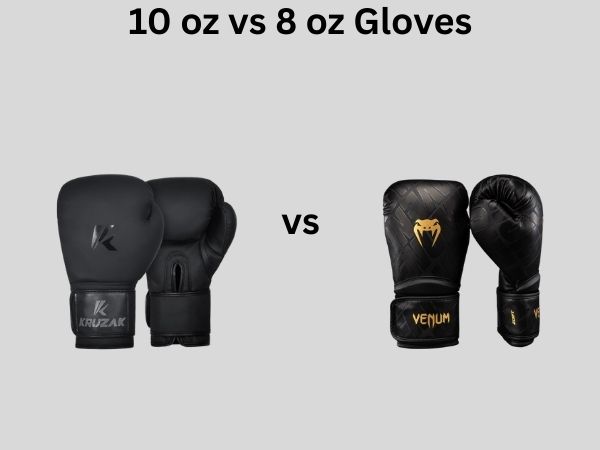
10 oz vs 8 oz Gloves: Which Size Is Right for You?
When you’re stepping into the world of combat sports, boxing, or heavy bag training, one of the first decisions you’ll face is choosing the right glove size. It might seem like a simple choice between 8 oz and 10 oz gloves, but trust me, this decision can significantly impact your training experience, safety, and performance. I’ve spent considerable time researching and testing both options, and I’m here to break down everything you need to know to make an informed choice.
Understanding Glove Sizing Basics
Before we dive into the specifics of 8 oz and 10 oz gloves, let’s establish what these numbers actually mean. The ounce measurement refers to the weight of the glove itself, which directly correlates to the amount of padding inside. Think of it like this: heavier gloves have more cushioning, while lighter gloves offer less protection but more speed and maneuverability. It’s not rocket science, but understanding this relationship is crucial for your decision.
What Do These Ounces Represent?
The ounce measurement you see on boxing gloves indicates the total weight of one glove. An 8 oz glove weighs approximately 8 ounces per glove, while a 10 oz glove weighs about 10 ounces per glove. This might not sound like much of a difference, but when you’re throwing hundreds of punches during a training session, that extra 2 ounces per hand (4 ounces total) becomes quite noticeable.
The 8 oz Glove: Speed and Agility
Let me tell you about 8 oz gloves first. These are the lighter option, and they’re incredibly popular among serious boxers and experienced fighters. If you’re someone who values speed, hand velocity, and the ability to land rapid combinations, 8 oz gloves might be your sweet spot.
Advantages of 8 oz Gloves
- Enhanced hand speed and quicker punch delivery
- Better feel for your opponent when sparring
- Reduced hand fatigue during extended training sessions
- More realistic training for actual competition
- Improved footwork and overall movement
- Greater tactile feedback for precision striking
One of the biggest benefits I’ve noticed with 8 oz gloves is the immediate improvement in hand speed. When you’re not carrying around extra weight, your hands move faster, your combinations flow more naturally, and you develop better timing. This is particularly important if you’re preparing for competition, where speed often wins matches.
Disadvantages of 8 oz Gloves
Now, let’s be honest about the drawbacks. Eight oz gloves aren’t for everyone, especially if you’re just starting out. The reduced padding means less protection for both you and your training partner. If you’re sparring with someone, they’re going to feel your punches more acutely, which could be problematic if your control isn’t excellent. Additionally, 8 oz gloves can be harder on your hands, wrists, and arms due to the increased impact force being transferred directly through the glove.
- Reduced padding and protection
- Less forgiving on your hands and wrists
- More pronounced impact on training partners
- Not ideal for beginners who are still developing proper technique
- Higher risk of injury if hand and wrist conditioning isn’t developed
The 10 oz Glove: Protection and Control
Now let’s talk about 10 oz gloves. These are the heavier option, and they’re often recommended for recreational boxers, beginners, and anyone who prioritizes comfort and safety over pure speed. Think of them as the training wheels of the boxing world—they’re not necessarily what you’d use in competition, but they’re fantastic for building your skills safely.
Advantages of 10 oz Gloves
- Superior padding and cushioning for both hands and partner
- Reduced risk of hand and wrist injuries
- More forgiving during sparring sessions
- Better for developing power and technique without injury risk
- Ideal for beginners learning proper form
- Reduced fatigue on joints and connective tissues
The extra padding in 10 oz gloves provides substantial protection. When you’re still learning proper punching technique, when your hand conditioning isn’t fully developed, or when you’re sparring with partners of varying skill levels, these gloves are genuinely a safer choice. The extra 2 ounces per hand create a substantial difference in impact absorption, which means less jarring sensation through your wrists and elbows.
Disadvantages of 10 oz Gloves
The trade-off for all that protection is a reduction in hand speed and responsiveness. Ten oz gloves are heavier, so your hands move slightly slower, and you might not develop the same level of speed you would with lighter gloves. They also don’t give you the same tactile feedback, so you might not develop as sharp a sense of distance and timing. Additionally, if you’re training for competition, using 10 oz gloves regularly can create a false sense of what actual fight conditions will feel like.
- Decreased hand speed and punch velocity
- Slightly reduced tactile feedback
- May not accurately simulate competition conditions
- Can lead to arm fatigue more quickly in some individuals
- Less realistic preparation for lighter competition gloves
Determining Your Skill Level
Your experience level should play a significant role in your decision. Let me walk you through how different skill levels typically align with glove choices.
For Beginners
If you’re just starting your boxing journey, I’d generally recommend 10 oz gloves. Your hands and wrists aren’t conditioned yet, your technique is still developing, and you need to prioritize safety while you learn. Starting with heavier gloves allows you to focus on form without worrying excessively about hand injuries. Once you’ve spent several months training consistently and have developed proper technique, you can transition to lighter gloves.
For Intermediate Boxers
Once you’ve got a few months of consistent training under your belt and you’re comfortable with your punching technique, you’re in the sweet spot for making the transition. Many intermediate boxers benefit from having both 8 oz and 10 oz gloves in their gear bag. Use the heavier gloves for light, controlled sparring sessions and the lighter gloves for technical work and more competitive sparring.
For Advanced and Competitive Boxers
If you’re serious about competition, you’ll likely spend most of your training time in 8 oz gloves or even lighter options like 6 oz gloves. Your hands are fully conditioned, your technique is sharp, and you need to simulate actual competition conditions as closely as possible during training.
Training Style Considerations
Beyond skill level, your specific training goals should influence your decision.
Heavy Bag Training
For solo heavy bag work, both 8 oz and 10 oz gloves are appropriate, and your choice often comes down to personal preference. If you’re working on raw power and speed, lighter gloves allow you to move faster and feel the resistance of the bag more acutely. If you’re concerned about the repetitive impact on your hands and wrists, heavier gloves provide more cushioning.
Speed Bag and Double-End Bag
For speed bag and double-end bag work, many boxers actually prefer lighter gloves because they want maximum tactile feedback and hand speed. These training tools help you develop hand-eye coordination, and that connection is sharper with less padding in the way.
Sparring
Sparring is where glove choice becomes really important. If you’re doing light, technical sparring with a partner, 10 oz gloves are generally the safer choice. If you’re doing more competitive sparring or preparing for actual fights, 8 oz gloves will give you more realistic preparation. Always discuss glove choice with your sparring partner—if they’re using 10 oz gloves, you should probably match them out of respect and safety.
Hand and Wrist Conditioning
Let’s talk about something that often gets overlooked: your actual hand and wrist conditioning. This is a major factor that should influence your glove choice.
Building Hand Durability
Your hands and wrists are complex structures with many small bones, ligaments, and tendons. When you’re new to striking sports, these structures need time to adapt to the repeated impact. Using heavier gloves while you’re building this conditioning is a smart approach. As your hands become more resilient over months of training, you can gradually transition to lighter gloves.
Listen to Your Body
If you’re experiencing wrist pain, hand soreness, or any other discomfort, don’t try to push through it with lighter gloves. Your body is telling you something. Consider stepping up to heavier gloves temporarily until the discomfort resolves, then gradually work your way back down.
Budget and Cost Comparison
Let’s be practical for a moment. Both 8 oz and 10 oz gloves vary widely in price depending on the brand and quality, but generally speaking, there’s not a massive price difference between the two. You might find slight variations, but quality should be your primary concern, not the weight category. I’d rather spend a bit more on a well-made 10 oz glove than save money with a cheaply constructed 8 oz glove.
What to Look for in Quality
- Genuine leather construction (genuine or synthetic high-quality material)
- Dense foam padding that doesn’t compress easily
- Secure wrist support and closure system
- Good reviews from experienced boxers
- Reputable brand with a warranty
Transitioning Between Glove Weights
Many boxers eventually own multiple pairs of gloves in different weights. Let me share how to approach this transition effectively.
The Gradual Approach
Don’t suddenly switch from 10 oz to 8 oz gloves for all your training. Instead, integrate lighter gloves gradually. Start by using them for just one or two training sessions per week, particularly during technical work rather than intense sparring. As your hands adapt, gradually increase the frequency. This measured approach helps prevent injury while allowing your body to adjust to the lighter impact protection.
Mixing Weights in Training
Many experienced boxers use different weights for different purposes. They might wear 10 oz for heavy bag work focused on power development, 8 oz for speed and combinations work, and perhaps 12 oz for controlled sparring. There’s nothing wrong with this approach—in fact, it’s quite common among professional athletes.
Sparring Partner Compatibility
Here’s something crucial that sometimes gets overlooked: your choice of gloves should consider who you’re sparring with. There’s an unwritten rule in boxing gyms that when you’re sparring, you should be using similar weight gloves to your partner, or the heavier person should use heavier gloves.
If you’re sparring with someone using 10 oz gloves and you show up in 8 oz gloves, you’re essentially hitting them harder with less protection for yourself. It’s not fair to either of you. Communication and mutual respect are essential here.
Gender Considerations
I want to address this directly: glove choice isn’t inherently different for men versus women. Strength, hand size, and boxing experience are what matter, not gender. Some women prefer 8 oz gloves, while others prefer 10 oz or even heavier gloves. The same applies to men. Choose based on your individual characteristics and goals, not based on what someone tells you should be “appropriate” for your gender.
Common Mistakes to Avoid
Starting Too Light
One of the biggest mistakes beginners make is jumping straight to 8 oz gloves because they saw professional fighters using them. Your hands and wrists need time to develop. Start heavier and work your way down as you progress.
Prioritizing Weight Over Quality
Don’t buy cheap 8 oz gloves just because they’re light. A well-made 10 oz glove will serve you better than a low-quality 8 oz option.
Ignoring Hand Pain
If your hands hurt when training, your gloves might be part of the problem. It could be that you need heavier gloves, different gloves, or hand wraps. Don’t ignore pain signals.
Not Communicating with Training Partners
Always discuss glove choice before sparring. This simple conversation prevents misunderstandings and keeps everyone safer.
Making Your Final Decision
So, which should you choose? Here’s my straightforward recommendation:
If you’re a beginner or just starting to train, go with 10 oz gloves. Your safety and developing proper technique should be your priority. If you have several months of training experience and your hands feel solid, you can experiment with 8 oz gloves. If you’re training for competition, 8 oz gloves will better prepare you for actual fight conditions. If you’re doing recreational training and not planning to compete, either option works, but 10 oz might be more comfortable for long-term enjoyment of the sport.
Ideally, as you progress, you’ll eventually own both weights. Use them strategically based on your training goals for that day.
Conclusion
The choice between 10 oz and 8 oz gloves isn’t about finding a universally “right” answer—it’s about finding what’s right for you at your current stage of training. Ten oz gloves prioritize protection, comfort, and safe skill development, making them ideal for beginners and recreational trainers. Eight oz gloves emphasize speed, feel, and competition realism, serving advanced boxers and those preparing for actual fights.
Your decision should account for your skill level, training goals, hand conditioning, and the specific training methods you employ. As you progress in your boxing journey, you’ll likely find that having both options available gives you the flexibility to train intelligently and effectively. Remember that the best gloves are the ones that keep you healthy, safe, and able to train consistently. Boxing is a long-term journey, and protecting your hands while you develop your skills should always be a top priority.
Frequently Asked Questions
Can I use 8 oz gloves if I’m just starting out boxing?
While it’s technically possible, I wouldn’t recommend it for most beginners. Your hands and wrists need time to adapt to the impact of boxing, and 8 oz gloves don’t provide enough cushioning during this adaptation phase. Start with 10 oz or even heavier gloves, and transition to 8 oz once you’ve built hand conditioning and proper technique over several months of consistent training.
Are 8 oz gloves legal for amateur boxing competition?
Glove regulations vary by sanctioning body and weight class, but yes, 8 oz gloves are legal for many amateur boxing competitions, particularly for lighter weight classes. However, some organizations require 10 oz or 12 oz gloves depending on the fighter’s weight category. Always check the specific regulations of the organization sanctioning your event before purchasing gloves for competition.