How to Know If Your Baseball Glove Fits Right
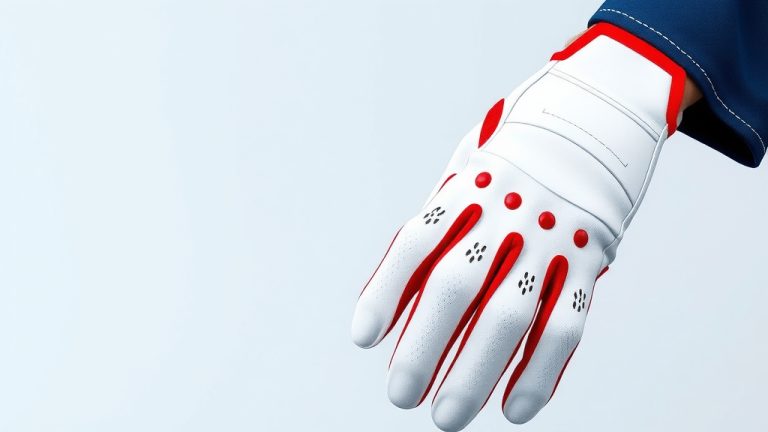
A baseball glove fits correctly when it feels like a natural extension of your hand, allowing for quick closure and a secure feel without being too tight or too loose. You should be able to move your fingers freely inside, and the glove shouldn’t slip or bunch up when you close it. Finding that perfect fit ensures better control and confidence on the field.
Understanding how a glove should feel is key for players of all levels. A well-fitting glove means the glove’s pocket aligns with your hand’s natural catching position. It needs to provide good protection while also being responsive to your movements. We found that many players overlook this, leading to frustration and missed plays. Proper fit is about comfort and performance working together.
- Check for a snug, but not tight, feel.
- Your fingers should move comfortably inside.
- The glove should close easily and securely.
- It shouldn’t slip or feel bulky.
- A good fit feels like part of your hand.
Let’s break down exactly what to look for to make sure your next baseball glove is the perfect match for your hand.
Getting the Right Baseball Glove Fit for Your Hand
So, you’ve got your eye on a new glove, but how do you know if it’s the right one? A glove that fits well feels like a natural extension of your hand. You want it to be snug, not tight, and allow for easy movement. We found that the best way to check is by trying it on and doing a few simple tests.
How Should a Baseball Glove Feel?
When you slip your hand into a glove, it should feel secure. This means no excessive sliding around. Your fingers should have room to move, but not so much that they feel lost. The glove should close smoothly around the ball. If it fights you, that’s a bad sign.
The Finger Test: Room to Breathe
Let’s talk about your fingers. You want to feel a slight snugness, especially in the fingertips. But, your fingers shouldn’t feel crammed or pressured. We found that if you can wiggle your fingertips slightly inside the glove, that’s usually a good sign. You’re looking for comfort, not restriction. Some players even add an extra thin glove or batting glove underneath. This can affect the fit, so try it on that way if you plan to do it.
The Wrist and Palm: A Secure Embrace
Your wrist should feel held, but not squeezed. The glove’s padding should be where you need it, protecting your palm. It shouldn’t bunch up or feel stiff in the wrong places. Many experts say that a glove that’s too loose in the palm will create a gap. This can lead to balls bouncing out. You want that palm lining to feel smooth against your hand.
Testing the Glove’s Closure and Pocket
A glove’s primary job is to catch a ball. So, how easily it closes is a major factor in fit. The pocket should align naturally with where your hand tends to catch the ball.
The Quick Closure Test
Close your hand inside the glove as if you were catching a line drive. Does the glove snap shut easily? Or does it feel like a wrestling match? We found that a glove that’s too stiff or too large can make this difficult. You want a glove that cooperates with your hand’s natural motion. Imagine a butterfly net; it should gently scoop and close. A glove that’s too stiff won’t do that.
Finding the Sweet Spot: The Pocket
The pocket is the deep part of the glove where the ball rests. When you close the glove, does the pocket form nicely around where a ball would land? You should be able to feel the glove’s laces and padding creating a secure cradle. It shouldn’t feel like the ball will just pop out. If the pocket is too shallow or too deep for your liking, it might not be the right fit. We found that players often have a preferred pocket depth.
Troubleshooting Common Fit Issues
Sometimes, a glove might seem close but still feel off. Let’s look at some common problems and what they mean for your fit.
The “Too Big” Glove Feeling
Does the glove feel clunky or heavy? Do your fingers swim a bit too much? This can happen if the glove is simply too large for your hand. A glove that’s too big is hard to control. It can make your hand feel tired faster. We found that sometimes players think a bigger glove means better catching. That’s not always true if it doesn’t fit well. A glove that’s too big can also hinder quick transfers. If the glove feels clunky or heavy, it might mean the glove is simply too large for your hand.
The “Too Small” Glove Feeling
Conversely, if your fingers feel like they’re being squeezed, or if the glove is difficult to get your hand all the way into, it’s likely too small. You shouldn’t have to force your hand in. The fingertips should never feel numb or painfully tight. We often hear that a glove needs a long break-in period. While some break-in is normal, a glove that’s painfully tight at first probably won’t get much better. This can affect circulation, which isn’t good for performance (Cleveland Clinic).
The “Slipping” Glove Problem
If the glove shifts around on your hand when you move or try to catch, it’s not fitting correctly. This could be due to a glove that’s too wide or too long. It can also happen if the wrist strap isn’t adjusted properly. A slipping glove is unreliable and can lead to dropped balls. You want that consistent, secure feel with every movement.
A Simple Glove Fit Checklist
Here’s a quick rundown to help you evaluate your glove fit:
- Does it feel snug, but not painfully tight?
- Can you wiggle your fingertips slightly?
- Does the glove close easily around a ball?
- Does the pocket feel secure and natural?
- Does the glove stay put on your hand without slipping?
- Does it feel like a natural part of your hand, not a hindrance?
Conclusion
Finding the right baseball glove fit is all about comfort and control. You want a glove that feels like a second skin, allowing your fingers to move freely while providing a secure catch. Remember to test for a snug fit in the fingertips and palm, and ensure the glove closes easily and forms a natural pocket. If it feels too big, too small, or slips, it’s likely not the right match. Your next step is to head to a store and try on several gloves. Trust how it feels on your hand – that’s your best guide to a glove that enhances your game.
Frequently Asked Questions
How do I know if a glove is too small for my hand?
If your fingers feel cramped, or if you have to force your hand all the way in, the glove is likely too small. You shouldn’t experience any numbness or painful tightness in your fingertips. A glove that’s too small will restrict your hand’s natural movement.
Can a glove that’s too big really affect my play?
Yes, a glove that’s too big can make controlling it difficult and can lead to dropped balls. Your fingers might feel like they’re swimming, making quick transfers much harder. It can also cause your hand to tire out faster due to the extra weight and effort needed to control it.
Should the fingertips of my glove touch my fingers?
Your fingertips should feel a slight snugness, but you should still be able to wiggle them a little. If your fingertips are pressed hard against the glove’s end, it might be too small or not the right shape for your hand. A little bit of space is usually okay.
What’s the best way to check if the glove’s pocket is right for me?
When you close the glove, the pocket should feel like it’s naturally forming around where you expect the ball to land. You should be able to feel it creating a secure cradle. If the pocket feels too shallow or too deep for your catching style, it might not be the best fit.
How important is the wrist strap in glove fit?
The wrist strap is quite important for achieving a secure fit. You should be able to adjust it so that the glove doesn’t slip up and down on your hand. It helps keep the glove snug around your wrist and palm, ensuring it stays in place during play.