10 oz vs 16 oz Gloves: Power vs Protection Compared
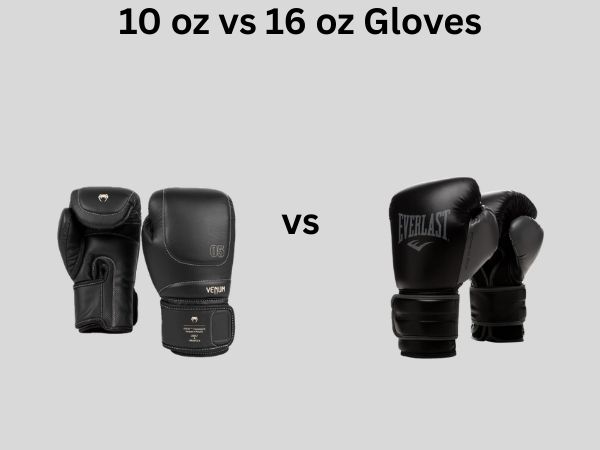
If you’re stepping into the boxing ring or starting your combat sports journey, you’ve probably heard the debate about glove weight. Should you go with 10 oz or 16 oz gloves? It’s a question that catches many beginners off guard, and honestly, there’s no one-size-fits-all answer. The choice between these two popular weights depends on your specific goals, experience level, and the type of training you’re planning to do.
Let me break down everything you need to know about these two glove sizes so you can make an informed decision that fits your needs perfectly.
Understanding Boxing Glove Weight: What It Really Means
Before we dive into the specifics of 10 oz and 16 oz gloves, let’s clarify what glove weight actually represents. The weight you see on a boxing glove isn’t just about the total heaviness of the glove itself. It’s measured in ounces and refers to the overall mass of the glove, which includes the padding, leather, and internal structure.
Think of it like this: imagine you’re holding a feather versus holding a hammer. The hammer requires more effort to move around, right? The same principle applies to boxing gloves. A heavier glove means more momentum, more impact absorption, and requires more energy to throw punches.
The Physics Behind Glove Weight
When you’re wearing heavier gloves, your hands move slower but hit with more force concentrated through the padding. Lighter gloves allow for faster hand speed but with less padding protection. Your wrists also experience different levels of stress depending on the glove weight you’re using.
10 oz Gloves: Power and Speed Champions
Let’s start with the lighter option—10 oz gloves. These are the speed demons of the boxing world. If you’re someone who values quick reflexes and rapid combinations, 10 oz gloves might be calling your name.
What Makes 10 oz Gloves Special
10 oz gloves are the preferred choice for professional boxing matches in heavier weight classes. They’re lighter, which means your hands move faster and you can throw combinations with greater ease. Imagine the difference between swinging a baseball bat and a broomstick—the broomstick is much easier to move quickly.
- Enhanced hand speed and reflexes
- Better for developing punching technique
- Reduced hand fatigue during training
- Preferred in professional competition
- Ideal for experienced boxers with good defensive skills
Advantages of Training with 10 oz Gloves
When you’re training with 10 oz gloves, you’re essentially working on your speed work and technical precision. Your punches feel lighter and snappier, which helps you develop better timing and accuracy. Many professional boxers use these lighter gloves during technical training sessions because they allow for more nuanced movements.
The hand speed improvement is substantial. You’ll notice that combinations flow more naturally, and you can react faster to your opponent’s movements. This is particularly beneficial if you’re looking to compete at higher levels or develop your boxing skills more comprehensively.
Disadvantages and Limitations of 10 oz Gloves
Here’s where we need to be honest: 10 oz gloves offer less protection. For your hands, this means more potential for injury during heavy bag work or intense sparring. The padding is thinner, so impact forces are more concentrated on your knuckles and wrists.
If you’re new to boxing, jumping straight into 10 oz gloves is like learning to drive in a sports car when you’ve never sat behind a steering wheel before. You might have the tools, but you lack the experience to use them safely.
16 oz Gloves: The Protection Powerhouse
Now let’s talk about 16 oz gloves—the heavier, more protective option. These gloves are often the first choice for beginners and gym enthusiasts who prioritize safety and wrist support.
Understanding the 16 oz Advantage
16 oz gloves pack significantly more padding. That extra weight comes from additional cushioning materials designed to absorb impact and protect both your hands and your opponent’s face. Think of them as the shock absorbers of the boxing world—they buffer the force of every punch.
- Maximum padding and hand protection
- Superior wrist support and stability
- Ideal for beginners and hobbyists
- Safer for sparring sessions
- Great for heavy bag training
- Reduces impact on joints and bones
Why Beginners Prefer 16 oz Gloves
If you’re just starting your boxing journey, 16 oz gloves are your friend. They’re forgiving, protective, and they give you peace of mind as you’re learning proper technique. Your hands are still developing the necessary conditioning, and all that extra padding protects you while you’re getting up to speed.
These gloves also help protect your training partner during sparring. Since there’s more cushioning between your knuckles and their face, you’re less likely to cause injury during controlled sparring sessions. It’s a safety consideration that both fighters appreciate.
The Trade-offs with 16 oz Gloves
The main downside to 16 oz gloves is speed. Your hands feel heavier, and throwing rapid combinations becomes more tiring. You won’t feel as much speed development, which can sometimes limit your technical progression if that’s your primary focus.
Additionally, if you’re training for competition, you’ll need to eventually transition to lighter gloves. Getting too comfortable with 16 oz gloves can create bad habits that don’t translate well to professional boxing weight classes.
Comparing Protection Levels: What Science Says
Impact Absorption and Force Distribution
Research on boxing glove padding shows that heavier gloves distribute impact force over a larger area. With 16 oz gloves, the extra padding spreads the force of your punch across more surface area, reducing peak pressure points on your opponent’s face and your hands.
10 oz gloves concentrate force more intensely. This creates harder-hitting impacts that require better control and technique to prevent injury. It’s the difference between pressing a thumbtack into cork versus pressing it into wood—the same force applied to different materials creates different results.
Wrist and Hand Injury Prevention
Your wrists take serious punishment during boxing training. The extra padding in 16 oz gloves provides better shock absorption that travels up through your wrist, protecting the delicate joints and tendons. Beginners with underdeveloped hand strength benefit significantly from this protection.
10 oz gloves require stronger, more conditioned wrists. If you’re not ready for this level of impact, you risk developing repetitive strain injuries that can sideline you from training.
Training Goals: Which Glove Weight Matches Your Objectives
For Competitive Boxers and Athletes
If you’re training with the goal of competing in sanctioned boxing matches, you need to understand what weight class rules apply. Most professional boxing organizations use 10 oz gloves for heavyweight classes and above, while lighter weight divisions use even smaller gloves.
This means competitive boxers typically need to train with 10 oz gloves to get used to the feel and speed of competition gloves. However, incorporating 16 oz gloves into your training for heavy bag work and conditioning isn’t a bad idea.
For Fitness and Casual Training
Not everyone who boxes is training to become a professional fighter. Many people use boxing as an incredible cardiovascular workout and strength training method. For these fitness-focused individuals, 16 oz gloves are often the better choice because they’re more comfortable for extended training sessions and provide better protection during casual sparring.
You can still get an amazing workout with heavier gloves. In fact, some trainers argue that the extra weight provides additional conditioning benefits for your arms and shoulders.
For Beginners Still Learning Technique
If you’re brand new to boxing, start with 16 oz gloves. Your hands need time to develop the calluses and conditioning required for harder impact. Your technique needs refinement before you move to lighter gloves. Think of it as building your foundation before you start constructing the walls.
Once you’ve been training consistently for several months and your hands feel comfortable, you can experiment with transitioning to 10 oz gloves. This gradual progression is much safer and more sensible than jumping straight to lighter gloves.
Hand Speed Comparison: Measurable Differences
Punch Velocity and Reaction Time
Studies involving boxers have shown measurable differences in hand speed between 10 oz and 16 oz gloves. Lighter gloves generally increase punch velocity by about 10-15 percent. This might not sound dramatic, but in boxing, that difference can be significant in competition.
Your reaction time also improves with lighter gloves. When your hands aren’t weighed down, you can respond to your opponent’s movements faster. This is particularly important in defensive situations where milliseconds matter.
Endurance and Fatigue Factors
Here’s something many people overlook: heavy gloves can actually improve your cardiovascular endurance. Training with 16 oz gloves requires more energy expenditure, which builds conditioning faster. Your arms work harder, your heart pumps harder, and you get a more intense workout in the same amount of time.
However, if your goal is developing speed and technique, lighter gloves prevent the fatigue factor from interfering with your form during the later rounds of training.
Comfort and Fit: The Personal Preference Factor
Hand Size and Glove Fit
Not everyone’s hands are the same size. Larger hands might feel more comfortable in 10 oz gloves because the glove isn’t oversized. Smaller hands might get lost in lighter gloves and actually prefer the structure provided by 16 oz options.
Always try on gloves before purchasing if possible. A poorly fitting glove, regardless of weight, will cause discomfort and potentially increase injury risk.
Temperature and Climate Considerations
Something people don’t often discuss is how weather affects glove choice. In hot climates, lighter 10 oz gloves allow better air circulation and reduce hand sweating. In cooler environments, the extra padding in 16 oz gloves can actually feel more comfortable because it insulates your hands better.
The Cost Factor: Budget Considerations
Generally speaking, 16 oz gloves are slightly less expensive than 10 oz gloves, though the difference isn’t huge. A quality pair of 16 oz gloves might run you between 60 to 150 dollars, while 10 oz gloves typically fall in the 80 to 200 dollar range.
If you’re just starting out and not sure how serious you’ll become about boxing, investing in a mid-range pair of 16 oz gloves is a smart financial move. Once you’re committed to the sport, upgrading to higher-quality 10 oz gloves makes sense.
Professional Recommendations from Boxing Coaches
What Experienced Trainers Suggest
Most experienced boxing coaches recommend this progression: start with 16 oz gloves during your first 3-6 months of training. Use this time to develop proper technique, hand speed, and conditioning. Once you’ve built a solid foundation, transition to 14 oz gloves as an intermediate step, then finally to 10 oz gloves as you advance.
This gradual progression prevents injury and ensures your hands and wrists develop the strength necessary to handle lighter gloves safely.
Hybrid Training Approaches
Smart boxers often use both weights during their training week. They might use 16 oz gloves for heavy bag work and conditioning, then switch to 10 oz gloves for technical drills and sparring. This approach gives you the benefits of both options.
Common Mistakes When Choosing Glove Weight
Many beginners make the mistake of choosing gloves based solely on what professional boxers use. Just because pros wear 10 oz gloves doesn’t mean they’re right for you if you’re still learning.
Another common error is ignoring wrist pain or hand discomfort because you think you should “tough it out.” Pain is your body’s way of communicating that something isn’t right. If 10 oz gloves cause discomfort, switching back to 16 oz is the smart move, not a sign of weakness.
People also forget that glove weight isn’t the only factor in hand protection. Quality matters tremendously. A cheap pair of 16 oz gloves might offer less protection than a well-made pair of 10 oz gloves.
Transitioning Between Glove Weights Safely
The Gradual Progression Method
When you’re ready to transition from 16 oz to 10 oz gloves, don’t jump in completely. Start by using lighter gloves for just 15-20 minutes during technical training, then switch back to your heavier gloves. Gradually increase the time spent in lighter gloves over several weeks.
This approach allows your hands and wrists to adapt gradually to the increased impact without overwhelming them. It’s the same principle as gradually increasing weight when you’re strength training.
Listening to Your Body
Some people transition in a few weeks. Others need a few months. There’s no shame in moving at your own pace. If your hands are hurting or your wrists are uncomfortable, you’re not ready yet. Give yourself more time and try again later.
The Bottom Line Decision: Which Should You Choose
So here’s the straightforward answer: if you’re a beginner or you’re training primarily for fitness and health benefits, go with 16 oz gloves. They’re safer, more protective, and they’ll help you build a solid foundation without risking injury.
If you’re an experienced boxer training for competition, 10 oz gloves are your likely choice. They’re the standard in professional boxing and they’ll give you the speed and hand development you need to compete at higher levels.
If you’re somewhere in between—training seriously but not yet competing—consider having both. Use 16 oz for heavy bag work and conditioning, 10 oz for technical training and sparring.
Conclusion
The debate between 10 oz and 16 oz gloves isn’t about one being objectively better than the other. It’s about choosing the right tool for your specific situation. Think of it like choosing between a sedan and a sports car—both are excellent vehicles, but they serve different purposes and suit different drivers.
Your experience level, training goals, and personal comfort should guide your decision. Beginners benefit from the protection and support of 16 oz gloves, while experienced boxers and competitive athletes typically transition to 10 oz gloves for speed and competition standards. Don’t rush this transition, and don’t feel pressured to use lighter gloves before you’re ready.
Whatever you choose, invest in quality gloves from reputable manufacturers. Your hands will thank you, and you’ll enjoy your boxing training much more when you’re not dealing with unnecessary pain or injury. Remember, the best glove weight is the one that keeps you safe, comfortable, and coming back to training consistently.
Frequently Asked Questions
Can I use 10 oz gloves if I’m just starting out with boxing?
Technically yes, but it’s not recommended. Beginners lack the hand conditioning and technique necessary to safely use