How to Find the Right Boxing Glove Size: Your Complete Guide to Perfect Fit and Performance
Have you ever pulled on a pair of boxing gloves that felt like wearing oven mitts, or worse, gloves so tight they cut off your circulation? I’ve been there, and let me tell you—it’s one of the most frustrating feelings in the ring. Getting the right boxing glove size isn’t just about comfort; it’s about protecting your hands, improving your technique, and actually enjoying your training sessions.
The truth is, most people grab whatever size looks reasonable without understanding that boxing gloves sizing is more nuanced than simply picking small, medium, or large. There’s a whole science behind it, and I’m here to walk you through every step of the process.
Understanding the Basics of Boxing Glove Sizing
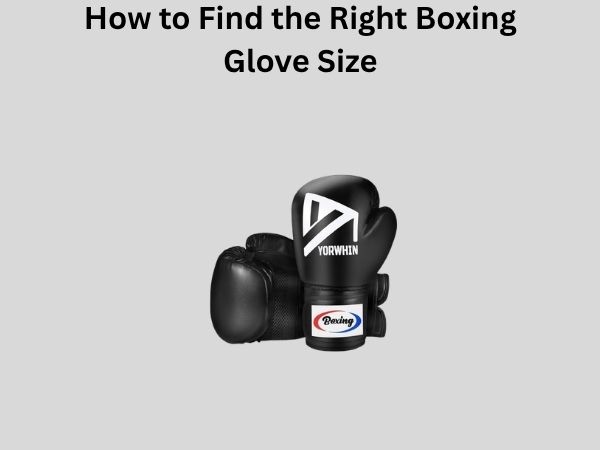
When you start looking at boxing gloves, you’ll notice numbers like 8oz, 10oz, 12oz, 14oz, and 16oz. These numbers represent ounces, which measure the padding weight of the glove, not necessarily the size itself. Think of it like this: the ounce measurement tells you how much cushioning you’re getting, while the physical fit determines whether the glove actually sits properly on your hand.
Most boxing gloves are measured by their ounce weight, and this is directly connected to hand size. Your hand measurements, combined with your training goals, will determine which ounce weight works best for you. It’s not as straightforward as buying shoes, where you can just say “size 10.” Boxing requires more consideration.
The Ounce System Explained
The ounce system in boxing gloves developed over decades of ring experience. Heavier gloves provide more padding and protection, making them ideal for beginners and heavy bag work. Lighter gloves offer more speed and feel, which experienced fighters prefer for sparring and bag work where they’re already proficient in technique.
Why Getting the Right Size Matters More Than You Might Think
I want to emphasize something crucial here: improper glove sizing can literally derail your boxing journey. When gloves don’t fit right, your hands shift inside them, which means the padding doesn’t align with your knuckles properly. This creates injury risk, increases hand fatigue, and ruins your punch technique.
Additionally, poorly fitting gloves affect your wrist alignment. Your wrist needs to be straight and supported when you punch, and if your glove is too loose or too tight, your wrist angles incorrectly. Over time, this causes inflammation, pain, and potential injury that could bench you for weeks.
Hand Protection and Injury Prevention
Your hands are precious in boxing. They’re your most important tool, and they’re relatively fragile compared to the impact they absorb. A properly sized glove means the padding sits exactly where your knuckles land when you make a fist. Too small, and the padding misses crucial areas. Too large, and your fist moves around inside the glove, creating gaps where impact reaches your skin directly.
Performance and Technique
Right-sized gloves feel like a natural extension of your arm. Your punches feel snappier, your combinations flow smoother, and you can actually feel your target through the gloves. This feedback is essential for learning proper technique. When gloves don’t fit, you’re essentially boxing blind, unable to sense the subtle feedback that teaches you how to adjust your power and accuracy.
Measuring Your Hands: The Foundational Step
Before you even think about trying on gloves, you need accurate hand measurements. This is where most people skip ahead, and it’s a mistake. Proper measurement takes maybe five minutes and saves you endless frustration down the road.
How to Measure Hand Circumference
You’ll need a soft measuring tape—the kind tailors use, not a metal ruler. Wrap it around your hand at the widest point, which is typically across your knuckles (not including your thumb). Make sure the tape is snug but not tight. Note this number in inches or centimeters. This measurement is your primary guide for glove sizing.
Measuring Hand Length
Extend your hand flat and measure from the tip of your middle finger to your wrist crease. This gives you hand length, which some manufacturers use as a secondary sizing indicator. While circumference is more important, hand length provides additional context for finding your perfect fit.
Recording Your Measurements
Write down both measurements clearly. When you’re shopping, you’ll reference these numbers constantly. Many boxer’s find that having this information prevents impulse purchases based on appearance rather than proper fit.
The Relationship Between Hand Size and Glove Weight
Here’s where the sizing puzzle comes together. Hand circumference directly correlates to which ounce weight makes sense for you. This relationship isn’t random—it’s based on biomechanics and protection requirements.
Small Hands and Light Gloves
If your hand circumference measures under 7 inches, you’re typically in the 8oz to 10oz range. These lighter gloves offer responsiveness and speed. They’re popular with experienced female boxers and lighter-weight fighters who prioritize hand speed over maximum padding.
Medium Hands and Standard Gloves
The sweet spot for many boxers falls between 7 to 8 inches of hand circumference, which corresponds to 12oz gloves. This is the standard recreational boxing glove size. It provides adequate protection for bag work, mitt work, and light sparring while maintaining enough feel to develop technique properly.
Large Hands and Heavier Gloves
Hands measuring over 8 inches typically fit best in 14oz or 16oz gloves. Heavier gloves offer maximum padding and wrist support, making them ideal for beginners, heavy bag training, and serious sparring sessions. The additional weight also tires your arm slightly, which actually improves conditioning during training.
Different Glove Types and Their Unique Sizing Considerations
Not all boxing gloves are created equal, and different styles fit differently. Understanding these variations prevents you from buying a glove that’s technically the right ounce weight but wrong for your actual needs.
Training Gloves
Training or bag gloves are what most recreational boxers wear. They feature more padding overall and typically fit more generously than other styles. If you measure right at the border between sizes, training gloves tend to run slightly roomier, so you might size down slightly.
Characteristics of Training Gloves
- More padding overall for protection during repetitive bag work
- Thicker wrist support built in
- Generally roomier fit than competition gloves
- Better for beginners due to increased cushioning
Sparring Gloves
Sparring gloves are specifically designed for partner work. They feature slightly less padding in the palm area than training gloves but more on the knuckle area to protect both you and your partner. Sparring gloves typically fit snugger than training gloves of the same ounce weight.
Competition Gloves
Amateur and professional competition gloves are slim-fitting and minimalist. They’re built for optimal hand speed and feel, with just enough padding to meet legal requirements. These gloves fit quite snugly, so boxers often size up if transitioning from training gloves to competition gloves.
Heavy Bag Gloves
These specialized gloves prioritize protection for the repetitive impact of bag work. They’re often the heaviest option available and feature reinforced padding in high-impact areas. If you’re specifically buying for bag work, you might even go a half size up compared to what your measurements suggest.
Age and Experience Level: Two Critical Factors in Sizing
Your age and experience level shouldn’t be ignored when selecting glove size. They actually influence which ounce weight works best for your hand size.
Youth and Junior Boxers
Young boxers have smaller hands and less developed punching power. Even if their hand circumference technically fits a 10oz glove, many coaches recommend 12oz gloves to provide extra protection for developing hands and wrists. The extra padding helps prevent overuse injuries while young athletes are learning technique.
Adult Beginners
If you’re new to boxing as an adult, lean toward the heavier end of your size range. A beginner throwing punches on a heavy bag benefits immensely from extra padding. Your technique isn’t refined yet, so your hand positioning inside the glove might shift slightly. Extra padding compensates for this imperfection.
Experienced Boxers
Once you’ve been boxing for a year or more, you understand hand positioning, wrist alignment, and how to strike properly. At this point, you can move toward lighter gloves in your size range. Experienced fighters often prefer the feel and feedback of lighter gloves, which helps them refine technique and speed.
Testing Boxing Gloves: What to Look For
You can’t just read a size chart and order gloves online without trying them first—well, you can, but you’ll likely return them. Here’s what to do when you’re trying on gloves.
The Five-Finger Test
This is my go-to test when trying on boxing gloves. Make a tight fist inside the glove. Your fingers should touch the inner padding gently, and the padding should feel snug against your knuckles. Now, try to wiggle your fingers slightly. You should be able to move them just a bit—maybe a quarter inch of movement. If your fingers don’t move at all, it’s too tight. If they have more than half an inch of movement, it’s too loose.
The Wrist Check
Flex your wrist forward, backward, and side to side while wearing the gloves. Your wrist should feel supported but not restricted. You should be able to achieve a straight line from your forearm through the back of your hand without feeling pinching or excessive looseness. The cuff should sit snugly against your wrist without cutting off circulation.
The Pad Alignment Test
Make a fist and check where the padding aligns with your knuckles. In a properly fitted glove, the densest padding sits directly over your knuckles. Look for any gaps between your knuckles and the padding. Small gaps are normal, but large ones indicate an improper fit.
The Movement Test
Walk around for a minute wearing the gloves. Punch a heavy bag lightly if available. Your hand shouldn’t shift or rotate inside the glove during movement. If you feel your hand sliding forward when you punch, the glove is too large. If you feel pressure points or hot spots developing, it’s too tight.
Common Sizing Mistakes That Most Boxers Make
I’ve watched countless boxers make the same sizing errors. Learning from others’ mistakes can save you money and frustration.
Mistake One: Choosing Based on Appearance Alone
Those sleek competition gloves look amazing, and I get the appeal. But if you’re a beginner, buying competition gloves based on looks is setting yourself up for hand pain and potential injury. The gloves that look best aren’t always the ones that protect best.
Mistake Two: Buying Too Large for “Room to Grow”
This is especially common with parents buying gloves for young boxers. Yes, children grow, but oversized gloves don’t protect properly. It’s better to replace gloves as your child grows than to risk hand injuries with oversized equipment. Properly fitted gloves are non-negotiable for safety.
Mistake Three: Ignoring Hand Wraps in the Fitting Process
This is a critical error. You’ll always wear hand wraps under your boxing gloves, and they add bulk. When trying on gloves, wear the hand wraps you’ll actually use during training. Without them, gloves might feel perfect, but once you wrap your hands, they suddenly feel too tight.
Mistake Four: Assuming One Glove Fits All Training Styles
One pair of gloves can’t optimally serve bag work, mitt work, and sparring. While many boxers make do with a single pair, ideally you’d have different gloves for different purposes. At minimum, make sure your single pair works well for your primary training focus.
Hand Wrapping: The Missing Piece of the Sizing Puzzle
Hand wraps are absolutely essential for boxing, and they directly affect glove fit. Many sizing problems vanish once you understand proper wrapping technique.
Why Hand Wraps Matter for Fit
Hand wraps serve multiple purposes: they protect your knuckles, stabilize your wrist, and distribute impact across your hand. They add significant bulk—typically a quarter inch to half inch around your hand. This bulk must be accounted for when selecting glove size.
Wrap Thickness and Glove Sizing
Mexican-style wraps (the most common) are thinner than Thai-style wraps. If you prefer thick, heavy wraps, you might need to size your gloves slightly larger. Conversely, if you use minimal wrapping or gel wraps, you can size slightly smaller. This is why the tried-on fitting test while wearing actual wraps is so important.
Wrap Tightness and Glove Comfort
Wraps that are too tight create pressure points even with perfectly sized gloves. Make sure your wrapping technique is correct—snug enough to support your hand but not so tight that circulation is restricted. A well-wrapped hand should feel supported without discomfort.
Maintenance Tips for Long-Lasting, Properly Fitting Gloves
Once you’ve found the right size, you want those gloves to last. Proper care maintains their fit and protective qualities over time.
Preventing Breakdown and Shape Loss
The padding in boxing gloves compresses with use. This compression is normal and doesn’t mean your gloves are failing—it means they’re doing their job. However, you can slow compression by letting gloves dry completely between sessions. Never store damp gloves in a bag, as moisture accelerates padding breakdown and causes odors.
Using Glove Deodorizers
Hand sweat is inevitable in boxing. To preserve your gloves’ lifespan and prevent odors that might indicate moisture damage, use glove deodorizers or stuff gloves with newspaper between sessions. This keeps them fresh and helps maintain their shape longer.
Recognizing When Gloves Need Replacement
Eventually, all gloves wear out. Signs include significant padding compression, tears in the leather, or misalignment of the padding with your knuckles. When these signs appear, it’s time for new gloves.