Boxing Gloves 14 vs 16 oz: Which to Buy?
When deciding between boxing gloves 14 oz vs 16 oz, there isn’t a single “best” choice for everyone. Generally, 16 oz gloves are ideal for sparring and heavier bag work to protect your hands and your training partner. 14 oz gloves offer a bit more speed and are suitable for lighter bag work or mitts if hand protection isn’t the top priority.
Your choice really depends on your specific training goals and experience level. Lighter gloves can make punches feel faster, while heavier ones provide superior cushioning. We found that most beginners start with 16 oz gloves for general training. They offer a good balance of protection and feedback. Many boxers eventually use different weights for different drills.
- 16 oz gloves are best for sparring and heavy bag work.
- 14 oz gloves are good for lighter bag work and mitts.
- Consider your training goals and hand protection needs.
- Beginners often start with 16 oz gloves.
- You might use different weights for different exercises.
Let’s break down the differences between 14 oz and 16 oz boxing gloves so you can make the right pick for your training.
Choosing the Right Boxing Glove Weight: 14 oz vs. 16 oz
So, you’re staring at two very similar-looking boxing gloves, but one is 14 oz and the other is 16 oz. It’s a common question for anyone stepping into the boxing world. What’s the real difference, and which one belongs in your gym bag? We’ve found that understanding the purpose of each weight is key.
Understanding Ounce Weight in Boxing Gloves
Those ounces aren’t just a random number; they represent the total weight of the glove, padding included. More ounces mean more padding. This extra padding is designed to do two main things: protect your hands and wrists, and protect your training partners. It’s like choosing between a lightweight jacket and a heavy winter coat – both keep you warm, but one offers significantly more protection against the elements.
The Role of Padding in Glove Weight
Think of the padding as your first line of defense. When you’re hitting a heavy bag or sparring, your hands take a beating. The padding absorbs much of that impact. More padding means less shock travels up your arm and into your joints. We found that the distribution of this padding also matters, but the overall weight is a good starting point for understanding protection levels.
16 oz Gloves: The All-Around Workhorse
When most people start training, the 16 oz glove is often recommended. Why? Because it offers a fantastic balance for general training. It provides ample padding for most situations you’ll encounter when you’re first learning the ropes.
Sparring with 16 oz Gloves
Sparring is where 16 oz gloves truly shine. You’re training with another person, and safety is the absolute top priority. The extra weight and padding in 16 oz gloves help reduce the risk of injury to both you and your partner. We found that many training facilities actually require 16 oz gloves for sparring. It’s a common courtesy and a safety standard in the sport.
Heavy Bag Work and 16 oz Gloves
Hitting the heavy bag is another common use for 16 oz gloves. While you might feel a slight difference in speed compared to lighter gloves, the protection they offer is well worth it. You can really put your power into the bag without worrying as much about the impact on your hands. Many boxers use 16 oz gloves for their power-focused bag sessions.
14 oz Gloves: For Speed and Lighter Drills
Now, let’s talk about the 14 oz glove. These are a step down in padding from the 16 oz, and that makes a difference. They feel lighter and can allow for quicker hand speed. This makes them suitable for specific types of training where raw power isn’t the main focus.
Mitt Work and Pad Training
If you’re working with a coach on focus mitts or thai pads, 14 oz gloves can be a great choice. Your coach is usually wearing larger mitts designed to absorb impact. You, as the puncher, can get a better feel for your technique and speed. The lighter weight allows for more fluid movements. We found that coaches often prefer boxers to use slightly lighter gloves for mitt work.
Lighter Bag Work and Speed Drills
For lighter bag work, like practicing combinations or focusing on speed, 14 oz gloves can feel more responsive. You might notice you can throw punches a bit faster. However, it’s important to remember that there’s less padding. If you tend to hit hard or have a history of hand issues, you might want to stick with heavier gloves even for bag work.
Key Differences at a Glance
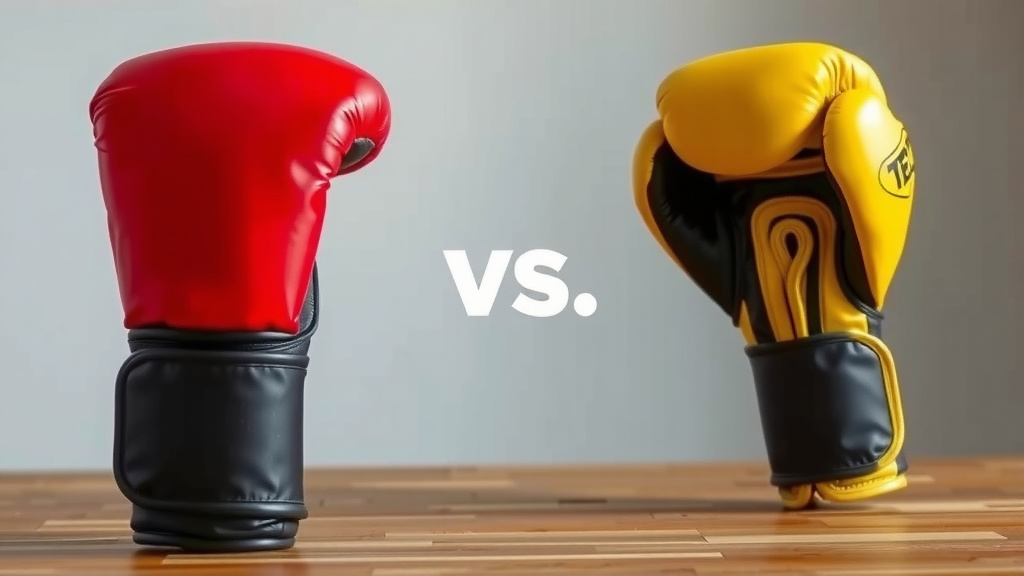
Let’s break down how these two weights stack up:
| Feature | 14 oz Gloves | 16 oz Gloves |
|---|---|---|
| Padding | Moderate | High |
| Hand Protection | Good | Excellent |
| Partner Protection (Sparring) | Not Recommended | Excellent |
| Speed/Feel | Faster, more responsive | Slower, more cushioning |
| Best For | Mitt work, light bag, speed drills | Sparring, heavy bag, general training |
Who Should Choose 14 oz Gloves?
You might reach for 14 oz gloves if you’re an experienced boxer looking to refine speed and technique during pad work. They are also suitable for lighter bag sessions if your hands are healthy and you don’t have issues with impact. Some athletes use them for conditioning drills where fatigue is a factor, but always listen to your body.
Who Should Choose 16 oz Gloves?
If you’re a beginner, a recreational boxer, or anyone prioritizing safety, 16 oz gloves are likely your best bet. They are the standard for sparring for a reason. You’ll also benefit from them for consistent heavy bag work. Think of them as the reliable all-around glove for most training scenarios.
Making Your Final Decision: A Quick Checklist
Still on the fence? Ask yourself these questions:
- Am I sparring regularly?
- Do I have a history of hand or wrist injuries?
- Is my primary goal speed or power development?
- What weight do my coaches or training partners recommend?
- What does my gym typically require for different training types?
Conclusion
Deciding between 14 oz and 16 oz boxing gloves comes down to your training needs and personal safety. We found that 16 oz gloves are generally the safer, all-around choice, especially for beginners, sparring, and heavy bag work. They offer superior protection for your hands and your training partners. On the other hand, 14 oz gloves can offer a speed advantage for mitt work or lighter drills if you have healthy hands. Consider what you’ll be doing most often in the gym and choose the gloves that best support your goals and protect your hands. Your next step is to check your gym’s rules and maybe try on a pair if you can!
Frequently Asked Questions
Are 14 oz gloves okay for beginners?
For beginners, 16 oz gloves are typically recommended because they offer more padding. This extra protection is crucial when you’re still developing your technique. If your gym requires it or your coach advises it, you might use 14 oz gloves for specific drills, but prioritize safety.
Can I use 16 oz gloves for speed bag work?
You certainly can use 16 oz gloves for speed bag work, but they will feel heavier and might slow your hand speed slightly. If your main goal is to improve speed on the speed bag, lighter gloves might feel more responsive. However, 16 oz gloves still offer good protection even for lighter equipment.
How often should I replace my boxing gloves?
Boxing gloves don’t last forever. We found that you should consider replacing them when the padding feels compressed, the stitching starts to fray, or you begin to feel more impact through them. For heavy use, this could be anywhere from one to three years.
What if my gym requires lighter gloves for sparring?
If your gym has specific weight requirements for sparring, you must follow them. Some facilities may allow 14 oz gloves for sparring, especially for more experienced boxers. Always clarify the rules with your coach or gym management to ensure you’re training safely and within guidelines.
Do hand wraps make a difference with 14 oz vs 16 oz gloves?
Yes, hand wraps are always recommended, regardless of glove weight. They provide essential support and cushioning for your knuckles and wrists, which is critical for preventing injuries. Hand wraps can help make lighter gloves feel a bit more secure and add a small amount of padding, but they don’t replace the core protection difference between glove weights.