Choosing the Right Boxing Glove Weight: A Guide
Choosing the right boxing glove weight depends mostly on your training goals and your body weight. For general training and sparring, 16oz boxing gloves are the most common choice for adults. If you’re lighter or need more speed, you might consider 12oz or 14oz gloves for bag work and pad training. Heavier fighters or those needing extra protection often opt for 18oz or 20oz gloves.
Boxing gloves come in various weights, measured in ounces (oz), and each weight serves a different purpose in your training. Understanding these differences helps you protect yourself and your training partners. It also ensures you’re getting the most out of your practice sessions, whether you’re hitting the heavy bag or sparring with a friend. We found that selecting the correct weight can really make a difference in your performance and safety.
- 16oz: Standard for sparring and general training.
- 12oz-14oz: Good for bag work, mitts, and lighter boxers.
- 18oz-20oz: Better for heavier individuals or extra protection during sparring.
- Consider your body weight and training type.
- Always check gym or competition rules.
Let’s break down the different boxing glove weights and help you find the perfect pair for your needs.
Picking Your Boxing Glove Weight: A Practical Guide
You’re wondering how to choose the right boxing glove weight. It’s a smart question to ask before you buy. The weight of your gloves matters a lot for your training and safety. We’ve looked into it, and your personal needs are key. Think about your body weight, what you’ll be doing, and how much protection you need.
Understanding Glove Weight: What Do the Ounces Mean?
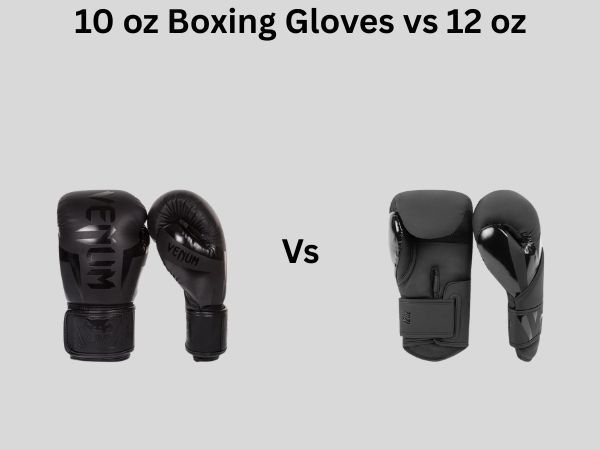
Boxing glove weights are measured in ounces (oz). This refers to the total weight of the glove. More ounces mean more padding. This padding is important for both your hands and the person you’re training with. It’s not about making it harder to punch. It’s about making training safer and more effective. More ounces mean more padding, which is important for both your hands and the person you’re training with.
Why Weight Matters for Protection
Heavier gloves have more cushioning. This helps absorb the impact when you hit something. It’s like wearing thicker shoes for running on a hard trail. The extra padding protects your knuckles and wrists. It also offers more protection to your training partners during sparring. Many experts suggest heavier gloves for sparring sessions (American Council on Exercise).
Weight and Training Type: Finding Your Fit
Different training activities call for different glove weights. What you do in the gym will guide your decision. Hitting a heavy bag is different from sparring. We found that matching the glove weight to your activity is essential.
Bag Work and Pad Training
For hitting the heavy bag or working with focus mitts, you might not need the heaviest gloves. Gloves in the 10oz to 14oz range can be good choices. They offer a bit more protection than speed bag gloves. Plus, they allow you to feel your punches more clearly. This can help you develop better technique and speed. We found that lighter gloves can improve your hand speed during drills. Some boxers prefer slightly heavier gloves, like 14oz, even for bag work. This is often based on personal preference and injury history.
Sparring Sessions
Sparring is where glove weight becomes really important. Safety is the top priority here. Most gyms require 16oz boxing gloves for adult sparring. This is a widely accepted standard. The extra padding protects both you and your opponent. It reduces the risk of injuries. Some heavier fighters might opt for 18oz or even 20oz gloves for sparring. This provides an extra layer of safety. We found that many coaches insist on 16oz gloves to ensure consistent protection for everyone involved.
Your Body Weight: A Key Factor
Your own body weight plays a big role. Heavier individuals generally need heavier gloves. This is because they naturally generate more force. Lighter boxers might find lighter gloves suitable. However, always consider the type of training.
Guidelines Based on Body Weight
Here’s a general guide based on what we’ve researched. Remember, these are not strict rules. Personal preference and gym rules can override them.
| Your Body Weight (approx.) | Recommended Glove Weight for Sparring | Recommended Glove Weight for Bag/Pad Work |
|---|---|---|
| Under 100 lbs | 12oz – 14oz | 10oz – 12oz |
| 100 lbs – 130 lbs | 14oz – 16oz | 10oz – 14oz |
| 130 lbs – 170 lbs | 16oz | 12oz – 14oz |
| 170 lbs – 200 lbs | 16oz – 18oz | 14oz – 16oz |
| Over 200 lbs | 18oz – 20oz | 16oz – 18oz |
We found that this table offers a good starting point. It helps balance protection and feel for different body types. It’s always best to consult with a coach or experienced boxer.
Gym Rules and Competition Standards
Before you purchase any gloves, check your gym’s policies. Many boxing gyms have specific rules about glove weight for sparring. These rules are for everyone’s safety. For official amateur or professional fights, glove weights are set by governing bodies. You won’t typically use your training gloves in a competition. However, understanding these standards can be useful.
Considerations Beyond Weight
While weight is crucial, other factors matter too. Glove fit is paramount. A glove that doesn’t fit well can lead to injuries. Make sure the gloves feel snug but not too tight. They should allow for some movement. The material of the glove also impacts durability and feel. Leather gloves generally last longer than synthetic ones.
Making Your Final Choice: A Quick Checklist
To help you decide, run through this quick checklist:
- What is your primary training activity?
- What is your approximate body weight?
- What are your gym’s sparring rules?
- Do you need extra padding for existing hand issues?
- What is your budget for gloves?
- What material preference do you have (leather vs. synthetic)?
We found that going through these questions helps narrow down your options considerably. Don’t rush the decision. Getting the right glove weight can make your training more enjoyable and safer.
Conclusion
You’ve learned that choosing the right boxing glove weight is key for your training. It’s a balance between protection and performance. Remember to consider your training type, like bag work versus sparring, and your personal body weight. Most adult sparring relies on 16oz gloves for safety, while lighter weights work well for drills. Always check your gym’s rules before you buy. Your next step is to look at the glove checklist we provided. This will help you make a confident decision for safer, more effective training sessions.
Frequently Asked Questions
Can I use the same gloves for sparring and bag work?
Generally, it’s not recommended. Sparring requires heavier gloves (like 16oz) for maximum protection for you and your partner. Bag work can use slightly lighter gloves (10oz-14oz) to help with speed and technique development. Using lighter gloves for sparring increases injury risk.
Are heavier gloves always better for hand protection?
Heavier gloves do offer more padding, which is great for impact absorption. However, the “best” weight depends on your training. For heavy bag work, you might prioritize feeling your punches more, so a slightly lighter glove could be preferred. Always ensure the glove fits well regardless of weight.
What if I’m a beginner boxer, what weight should I get?
As a beginner, 16oz gloves are usually the safest bet for general training and any light sparring. They offer good all-around protection. If you’re very light, you might start with 14oz, but always consult with your coach for their recommendation.
Does my height matter when choosing glove weight?
While your body weight is a more direct factor, height can sometimes correlate with body mass. Taller individuals often weigh more, but it’s your actual body weight and punching power that are the primary considerations. Focus on the weight guidelines provided earlier.
Are there different glove weights for men and women?
Glove weight is primarily determined by body weight and training type, not gender. Both men and women will find the same weight guidelines apply to them. However, some brands may offer specific fits designed for different hand sizes, which is separate from the ounce weight.