Exfoliating Glove vs Loofah: Which Is Best For Your Skin
When choosing between an exfoliating glove and a loofah, the exfoliating glove generally offers a more even and controlled exfoliation. This is because it allows you to apply consistent pressure across your skin, unlike a loofah which can be a bit more unpredictable.
Both tools are designed to slough away dead skin cells, helping to reveal smoother, brighter skin. Your choice might come down to personal preference for texture and application. We found that gloves often feel more hygienic too, as they can be easily washed and dried.
- Exfoliating gloves provide more even exfoliation.
- Loofahs can be less predictable.
- Gloves often feel more hygienic.
- Both remove dead skin cells.
- Your choice depends on texture preference.
Let’s dive into the details of each and help you decide which one is the best fit for your shower routine.
Comparing Your Shower Scrubbing Companions: Glove vs. Loofah
Choosing the right tool for your shower scrub can make a big difference. You want something that effectively removes dead skin. It should also feel good on your skin. We’ve looked at two popular options: the exfoliating glove and the loofah. Let’s break down what each offers.
Understanding the Exfoliating Glove
An exfoliating glove is typically made from synthetic fibers or natural materials. It’s designed to fit over your hand like a mitten. This allows for a very direct and controlled grip on your skin.
How Exfoliating Gloves Work
The texture of the glove provides the scrubbing action. As you move your hand across your body, the glove gently lifts away dead skin cells. The enclosed design means you can easily reach all areas. You have precise control over the pressure you apply. This is a key difference from other tools.
The Benefits of Using a Glove
One major plus is hygiene. Many exfoliating gloves are made from materials that dry quickly. This helps prevent bacterial growth. They are also easy to clean with soap and water. You can often toss them in the washing machine. This makes them a very hygienic choice for your shower. Many sources suggest regular washing of any shower tool (Cleveland Clinic).
They also offer a consistent exfoliation experience. Because you control the movement and pressure, you get a uniform scrub. This can be especially helpful for sensitive skin. You can adjust how hard you press based on how your skin feels that day.
Potential Downsides of Gloves
Some find that certain glove materials can feel a bit rough. This might be an issue if you have very sensitive skin. It’s important to find a glove with a texture that suits you. Also, if the glove is too large, it might slip off your hand. This can make the experience a bit frustrating.
Exploring the Loofah Experience
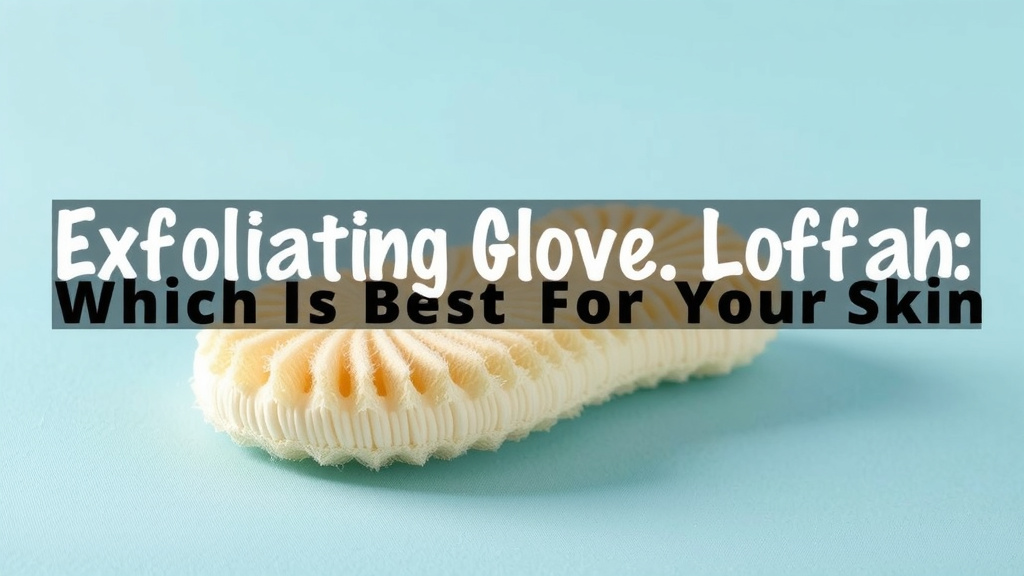
A loofah is a natural sponge. It comes from a dried gourd plant. Loofahs have a porous, fibrous texture. This texture is what provides the exfoliating power. They have been used for centuries for bathing. Many cultures have a long history with the loofah (NIH).
How Loofahs Function
When wet, the fibers of the loofah become softer. They still provide a good scrub. You hold the loofah in your hand and rub it over your skin. The natural fibers create friction. This friction helps to slough away dead skin cells. The shape and size can vary, making them feel a bit different to hold.
Why People Choose Loofahs
Many people love the natural feel of a loofah. They are often seen as more eco-friendly. Since they are made from plants, they are biodegradable. This appeals to those looking for natural products. The texture can also be very satisfying for some users. It provides a good amount of friction to feel truly clean.
Loofahs can also be quite affordable. They are widely available in most stores. Their natural origin is a big draw for many.
Considerations for Loofahs
One challenge with loofahs is hygiene. Because they are porous, they can trap moisture and bacteria. If not dried properly, they can develop mold. This means they need diligent care. You should rinse them thoroughly and hang them to dry completely after each use. Replacing them regularly is also advised.
Another point is consistency. The scrubbing power of a loofah can vary. Some are rougher than others. The way you hold and use it can also affect the pressure. This might lead to uneven exfoliation if you’re not careful.
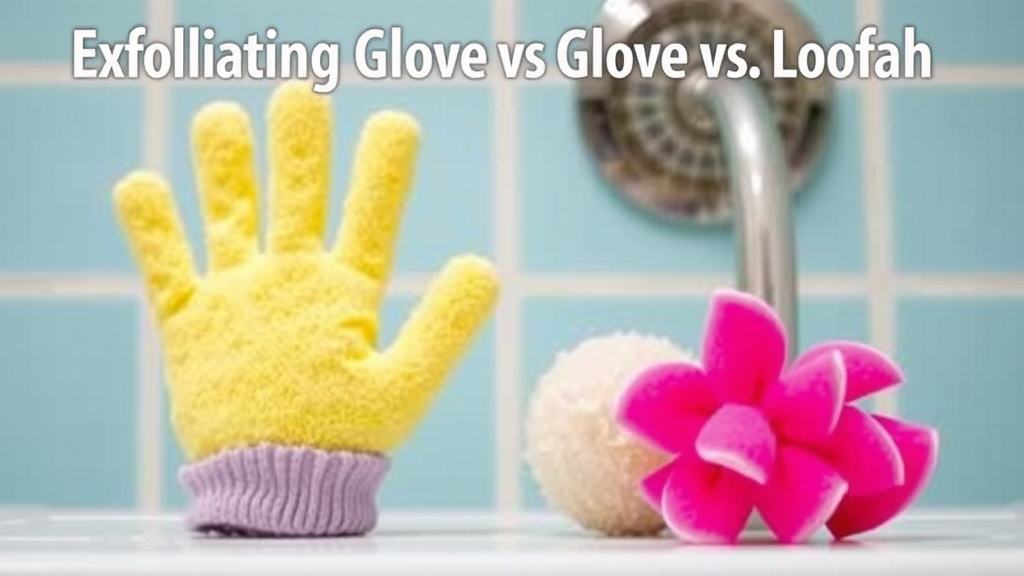
Direct Comparison: Glove vs. Loofah
Here’s a quick look at how they stack up:
| Feature | Exfoliating Glove | Loofah |
|---|---|---|
| Control | High – Direct hand control for even pressure. | Moderate – Can be less predictable. |
| Hygiene | Good – Dries quickly, machine washable. | Requires Care – Porous, needs thorough drying to prevent mold. |
| Texture | Varies (synthetic or natural) – Can be customized. | Natural gourd fibers – Can vary in roughness. |
| Ease of Use | Easy – Fits like a glove. | Simple – Easy to hold and use. |
| Biodegradability | Depends on material; synthetics are not biodegradable. | Yes – Natural plant material. |
Which One is Right for Your Skin?
If you prioritize precise exfoliation and ease of cleaning, an exfoliating glove might be your best bet. You can control the pressure very well. This is great for sensitive areas or when you want a consistent scrub. The hygienic aspect is also a big win for many.
If you love the feeling of natural materials and are diligent about drying your shower tools, a loofah could be wonderful. The natural texture can feel amazing. Just remember that it requires a bit more attention to keep it clean and fresh.
Your Shower Routine Checklist
To help you make the best choice for your needs, consider these points:
- Do you prefer a tool you can really control?
- How much time do you have for cleaning your shower tools?
- Is a natural, biodegradable product important to you?
- Do you have sensitive skin that needs gentle handling?
- What kind of texture do you find most satisfying?
- Are you looking for something easy to maintain?
Conclusion
So, you’ve learned about the key differences between exfoliating gloves and loofahs. Gloves offer precise control and superior hygiene, making them great for a consistent scrub. Loofahs provide a natural feel and are eco-friendly, but require more diligent care to stay fresh. Your choice really boils down to what you value most: predictable exfoliation or natural simplicity. Think about your skin’s needs and how much maintenance you’re willing to do. Head to the store and pick the one that feels right for you to start getting smoother skin!
Frequently Asked Questions
Can I use an exfoliating glove on my face?
It’s generally not recommended. Exfoliating gloves are designed for the tougher skin on your body. Your facial skin is much more delicate and can be easily irritated or damaged by the rougher texture of most gloves. For your face, consider a gentler facial scrub or a soft washcloth.
How often should I replace my exfoliating glove or loofah?
For hygiene, it’s best to replace your exfoliating glove every 3-4 months, or sooner if it shows signs of wear or damage. Loofahs, being natural sponges, need replacing more frequently, typically every 1-2 months, especially if they start to smell or look discolored. Regular washing and proper drying will help extend their life, but replacement is key.
What’s the best way to clean an exfoliating glove?
Most exfoliating gloves can be easily cleaned by rinsing them thoroughly with warm water and soap after each use. Many are also machine washable; just toss them in with your regular laundry. Always ensure the glove is completely dry before storing it to prevent mold and mildew growth.
Are loofahs really better for the environment?
Yes, loofahs are generally considered more environmentally friendly because they are made from a natural plant. They are biodegradable, meaning they will break down naturally over time. Synthetic exfoliating gloves, on the other hand, are often made from plastic and are not biodegradable, so they contribute to landfill waste.
My loofah feels too rough. What can I do?
If your loofah feels too abrasive, try soaking it in warm water for a few minutes before use. This will help soften the fibers. You can also try a gentler scrubbing motion or apply less pressure. If it still feels too harsh, you might have a particularly coarse loofah; consider trying a different brand or type next time, as roughness can vary.