Choosing the Right Softball Glove Size: A Simple Guide
Figuring out the right softball glove size for you is all about matching the glove’s length to your specific position and age. Generally, younger players need smaller gloves, typically 9 to 11 inches, while adult infielders might use 11 to 11.75 inches. Outfielders usually need the longest gloves, often 12.5 inches or more, to help them catch fly balls.
The size of your glove isn’t the only thing that matters. You also want to consider the glove’s pattern and how it fits your hand. A well-fitting glove feels like a natural extension of your hand, making fielding easier and more comfortable for you.
- Glove size depends on your age and position.
- Younger players need smaller gloves.
- Outfielders generally use the largest gloves.
- The fit and pattern are just as important as the size.
Let’s break down exactly how to find that perfect softball glove size for your game.
Choosing the Right Softball Glove Size for Your Game
Finding the perfect softball glove size is really important. It affects how well you can field the ball. Your glove should feel like a natural extension of your hand. Let’s figure out what size is best for you.
Understanding Glove Sizing: It’s All About the Inches
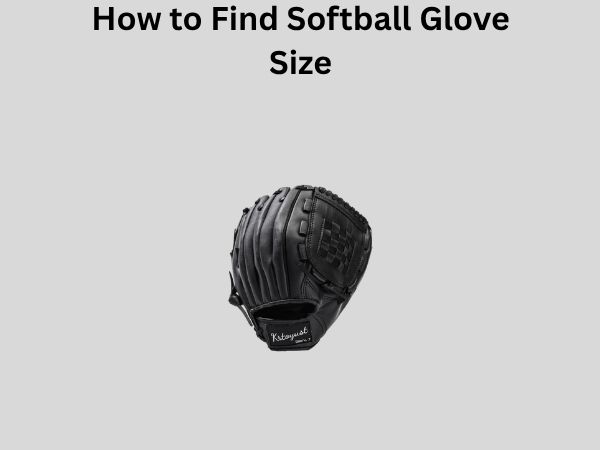
Softball gloves are measured from the tip of the index finger to the heel of the glove. This measurement is done along the pocket. It sounds simple, but there’s a bit more to it. Think of it like finding the right shoes; they need to fit just right for comfort and performance.
General Guidelines for Glove Length
The general rule for glove sizing relates to age and position. For younger players, smaller gloves are generally recommended. These are typically in the 9 to 11-inch range. As players get older and stronger, they move up in size.
Adult infielders often find gloves between 11 and 11.75 inches work well. They need a glove that’s quick to transfer the ball. Outfielders, on the other hand, usually need the longest gloves. They might use gloves of 12.5 inches or even larger. This extra length helps them snag fly balls deep in the outfield.
Position-Specific Glove Size Needs
Your position on the field plays a huge role in determining your glove size. We’ve already touched on infielders and outfielders. Let’s dig a little deeper.
Infielders: Quickness is Key
Infielders need a glove that allows for quick transfers from glove to throwing hand. A glove that’s too large can slow you down. We found that many infielders prefer a more compact glove. This helps them field ground balls cleanly and get rid of the ball fast.
Outfielders: Reaching for Every Ball
For outfielders, the name of the game is reach. You’re chasing down fly balls, so you need a glove with a larger surface area. A bigger pocket can help secure those tough catches. Many research articles suggest that longer gloves improve a fielder’s ability to catch balls hit away from their body (National Fastpitch Coaching Association guidelines).
Pitchers and Catchers: Specialized Needs
Pitchers often use gloves that are slightly smaller than an infielder’s but with more webbing to conceal their grip. Catchers use a mitt, not a glove, which is heavily padded and designed to catch fast pitches. The sizing for mitts is different and usually measured by circumference.
Age and Skill Level Considerations
A 7-year-old just starting out will need a much smaller glove than a college player. Youth leagues often have specific recommendations for glove sizes based on age groups. As players develop their skills, they might adjust their glove size based on comfort and preference.
Many coaches suggest that players should grow into their gloves, not grow out of them too quickly. This means choosing a size that feels good now but doesn’t overwhelm them. We found that a glove that is too big can hinder proper development of fielding technique.
Beyond Size: The Importance of Glove Fit and Pattern
So, you know the general size you’re looking for. But what about how the glove actually feels on your hand? This is where fit and pattern become super important. A glove that doesn’t feel right, no matter the size, won’t perform well for you.
How to Check the Fit
Put the glove on. Does it feel snug but not too tight? Can you close your hand inside it reasonably well? Your fingers should fit comfortably. There shouldn’t be a lot of extra space at the fingertips. The heel of the glove should feel comfortable too.
We’ve seen many players struggle because their glove feels awkward. It’s like wearing shoes that are too big; you’re more likely to trip. A good fit means you can control the glove.
Understanding Glove Patterns
Glove patterns refer to the design of the glove. Different patterns are made for different hand sizes and playing styles. Some patterns have deeper pockets, while others have shallower ones. Some have wider finger stalls, and others are narrower.
We found that many brands offer gloves with different patterns within the same size. For example, a 11.5-inch infielder glove might have a different pattern than an 11.5-inch outfielder glove. It’s worth looking at the specifications for the pattern if you can.
A Quick Checklist for Finding Your Glove Size
Let’s summarize the key steps to help you find the perfect glove size:
- Determine your primary playing position (infielder, outfielder, etc.).
- Consider your age and current skill level.
- Measure potential gloves from index finger to heel along the pocket.
- Try gloves on if possible to check the fit on your hand.
- Don’t be afraid to ask for advice from coaches or experienced players.
- Remember that comfort and control are just as vital as the size number.
Softball Glove Sizing Chart Example
Here’s a general guide to help you. Remember, these are starting points, and personal preference matters a lot.
| Player Age Group | General Glove Size Range | Typical Positions |
|---|---|---|
| T-Ball / Youth (Ages 4-7) | 9 – 10 inches | All Positions |
| Youth (Ages 8-12) | 10 – 11.5 inches | Infield / Outfield |
| Teenager / Adult (Fastpitch) | 11.5 – 12.5 inches | Infield / Outfield |
| Adult (Fastpitch – Outfield) | 12.5 inches + | Outfield |
| Adult (Fastpitch – Catcher) | 32 – 34 inches (Mitt Circumference) | Catcher |
This chart is a helpful starting point. Many experts suggest that the “feel” of the glove on your hand is the ultimate test (USA Softball Coaching Resources).
Conclusion
Finding the right softball glove size is key to improving your game. Remember, it’s a blend of age, position, and how the glove feels on your hand. We’ve seen that a glove that fits well allows for quicker transfers and more confidence in the field. Don’t just grab the first glove you see. Take a moment to consider the general size guidelines and, most importantly, try it on. Your perfect glove is out there, ready to help you make every play.
Frequently Asked Questions
How do I measure my softball glove size correctly?
You measure a softball glove by starting at the tip of the index finger and going all the way down to the heel of the glove, along the pocket. This measurement tells you the approximate size in inches. It’s important to do this carefully to get an accurate starting point for your search.
Can I use an adult softball glove if I’m a teenager?
Generally, teenagers can use adult-sized gloves, especially if they are playing fastpitch softball. Your primary position and hand size are bigger factors than just age. We recommend checking the glove’s fit to ensure it feels comfortable and controllable for you.
What’s the difference between an infielder’s and an outfielder’s glove size?
Infielders usually prefer smaller gloves (around 11 to 11.75 inches) for quick ball transfers. Outfielders typically need larger gloves (12.5 inches or more) to help them catch fly balls. The longer reach and larger pocket are crucial for outfield play.
Does glove break-in affect the size I should buy?
Yes, a glove will get a bit softer and form to your hand as you break it in. When buying, it should feel snug and comfortable, not too loose. You want it to feel good right away, but also expect it to mold slightly to your grip over time.
Should I buy a glove that’s a little big so I can grow into it?
While it’s tempting, we generally advise against buying a glove that’s too big. A glove that overwhelms your hand can hinder your ability to field properly and develop good technique. It’s better to get a glove that fits well now and feels controllable.