Boxing Glove Sizes Explained: What You Need to Know
Boxing glove sizes work by weight, not just how big your hand is. Gloves are measured in ounces (oz), and the ounce number tells you how much padding is inside. Heavier ounces mean more padding, offering better protection for both you and your sparring partner. This is the main way to figure out the right glove for your needs.
Choosing the correct glove size is super important for safe and effective training. It’s not just about comfort; it’s about preventing injuries and making sure you’re ready for different types of boxing. You’ll see different ounce sizes for training, sparring, and even professional fights.
- Glove size is about ounces (oz), not just inches.
- More ounces mean more padding and protection.
- Different activities need different ounce gloves.
- Weight impacts safety for you and others.
- Picking the right size is key for training.
Let’s break down exactly how boxing glove sizes work and help you find your perfect fit.
Understanding Boxing Glove Sizing in Ounces
So, how do boxing glove sizes actually work? It all comes down to ounces (oz). Think of the ounce number not as a measurement of your hand’s size, but as a measure of the padding packed inside the glove. More ounces mean more padding. This extra padding is super important for protecting your hands and wrists, and also for making sure your training partners stay safe.
You’ll see gloves labeled with numbers like 10 oz, 12 oz, 14 oz, 16 oz, and even 18 oz. This isn’t about fitting a bigger hand; it’s about how much cushioning you get. It’s like choosing between a thin bedsheet and a thick comforter – both cover you, but one offers much more comfort and protection!
Why Ounces Matter: Protection First
The primary reason for different ounce sizes is safety. When you’re hitting pads, bags, or another person, a lot of force is generated. The padding in boxing gloves absorbs this impact. Without enough padding, you risk injuring your hands, wrists, and even your knuckles. This is especially true for beginners who are still developing proper technique.
Protecting Your Hands and Wrists
Your hands are complex, with many small bones and tendons. Repeated, heavy impacts can lead to sprains, fractures, and long-term damage if not managed properly. Heavier ounce gloves have more material to disperse the force of a punch. This reduces the shock traveling up your arm.
Keeping Your Sparring Partners Safe
Boxing training often involves sparring, which means hitting another person. Even though you’re not aiming for a knockout, you still need to control your power. Lighter gloves (like those used in pro fights) with less padding can cause more damage. Using heavier gloves for sparring ensures that your punches are less harmful to your training partners, promoting a safer environment for everyone.
Matching Glove Size to Your Activity
The right glove size isn’t a one-size-fits-all situation. What you’re doing in the ring or gym dictates the best ounce size for you. Different activities place different demands on your hands and require varying levels of protection.
Training Gloves: Heavy Bags and Pad Work
For general training on heavy bags or with a coach on focus mitts, you’ll typically want gloves in the 12 oz to 16 oz range. These gloves offer a good balance of protection for your hands and enough feedback so you can feel your punches. Many gyms will require you to use 16 oz gloves for any type of partner drill or light sparring, even if it’s just to get a feel for the motion. Understanding the difference between training vs sparring gloves is essential for safety and performance.
Why 12-16 oz for Training?
These sizes provide ample padding to cushion the repeated impacts against training equipment. They help prevent soreness and potential injuries from long training sessions. You can still feel the solidity of the bag, but your knuckles are well-protected. It’s a good all-around choice for developing your technique and building hand strength.
Sparring Gloves: Controlled Combat
When you’re ready to spar, the ounce count generally goes up. 16 oz gloves are the standard for sparring in most gyms and amateur competitions. Some heavier individuals might even opt for 18 oz gloves. The increased padding is absolutely essential here. It’s not about landing a knockout blow; it’s about practicing defense, offense, and movement safely. Understanding boxing gloves vs sparring gloves is key for safe and effective training.
The Importance of Heavier Sparring Gloves
Think of it this way: a sharp jab on a heavy bag is one thing. A punch thrown with sparring intent, even if controlled, carries more dynamic force. The extra padding in 16 oz or 18 oz gloves helps to absorb and distribute that force. This minimizes the risk of concussions and hand injuries for both you and your opponent. Many boxing organizations and gyms have strict rules about glove weight for sparring to maintain safety standards (CDC).
Professional Fight Gloves: Lighter and Faster
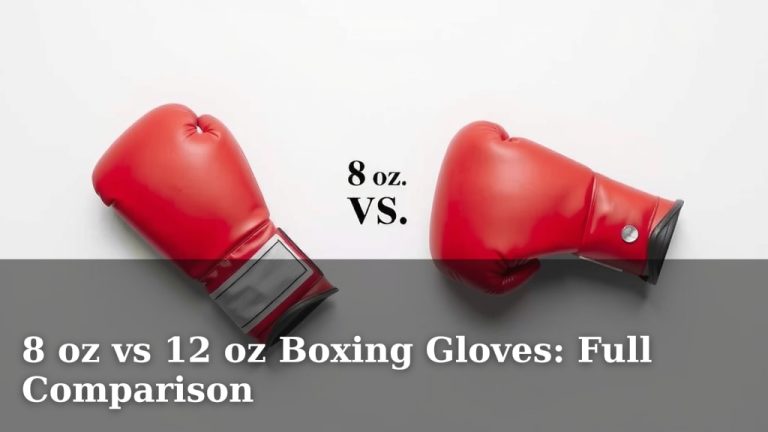
Professional boxing matches are different. Here, gloves are typically much lighter, often ranging from 8 oz to 10 oz. This is because the goal in a fight is to land a decisive blow. Less padding means more of the punch’s impact gets through, leading to knockouts. These gloves are designed for elite athletes who have incredible technique and hand conditioning.
Why Lighter Gloves for Fights?
The lighter weight allows boxers to punch faster and with more concussive force. It’s part of the strategy and spectacle of professional boxing. However, this comes with a higher risk of hand injuries for the fighters. Amateur fights might use slightly different specifications, often around 10 oz or 12 oz, depending on weight class and sanctioning body.
Glove Size vs. Hand Size: What’s the Difference?
It’s a common misconception that glove size is directly related to how big your hand is. While a larger person might naturally need a glove that fits their hand more snugly within the appropriate ounce category, the ounce rating is the primary factor for protection.
The Fit Factor
Boxing gloves come in different sizes in terms of their overall dimensions and the fit around your hand and wrist. You want a glove that fits snugly but comfortably. Your fingers should reach the end of the glove without being cramped, and the wrist strap should secure the glove firmly without cutting off circulation.
Padding is King
Ultimately, whether your hand is small or large, the amount of padding determined by the ounce rating is what dictates the glove’s protective qualities and its suitability for a specific training activity. If you’re a beginner with small hands but are sparring, you still need the heavier ounce glove for safety, even if it feels a bit bulkier.
Choosing Your First Pair: A Quick Guide
Starting out can be a bit confusing with all the options. Here’s a simple way to approach selecting your first pair of boxing gloves:
- Beginner (General Training): Aim for 14 oz or 16 oz gloves. They offer good all-around protection for bag work and light drills.
- Sparring Readiness: Once you start sparring, 16 oz is usually the minimum requirement.
- Weight Matters: Heavier individuals may find 16 oz or 18 oz more comfortable for extensive bag work due to extra cushioning.
- Fit Check: Always try gloves on if possible. They should feel snug but not tight, with enough room for hand wraps.
- Gym Recommendations: Ask your coach or gym owner. They know the specific needs and safety rules of their facility.
Don’t get too hung up on having the absolute perfect glove right away. Your first pair is about getting you into training safely. As you progress, you’ll develop a better understanding of your preferences and needs.
| Activity | Recommended Ounces (oz) | Primary Reason |
|---|---|---|
| Heavy Bag / Pad Work (Beginner) | 12-16 oz | Hand protection during repetitive striking. |
| Sparring (Most Levels) | 16 oz (sometimes 18 oz for heavier individuals) | Maximized protection for both participants. |
| Professional Fights | 8-10 oz | Allows for maximum impact transfer for knockouts. |
| Youth Training | Varies (often 6-10 oz depending on age/weight) | Lighter padding suitable for smaller frames. |
Remember, investing in the right glove size is an investment in your boxing journey. It helps prevent injuries, builds confidence, and allows you to focus on learning the skills, rather than worrying about your hands.
Conclusion
You’ve learned that boxing glove sizing is all about ounces, which directly relates to the amount of padding inside. This padding is your key to protecting your hands and ensuring sparring safety. Remember to match your glove weight to your activity – heavier for sparring, lighter for fights, and a good balance for general training. Your next step is simple: head to a boxing gear store or shop online and find a pair that feels right for your training needs. Make an informed choice for a safer, more effective boxing journey!
Frequently Asked Questions
Do I need different gloves for heavy bag work than for sparring?
Yes, you generally do. Heavy bag work typically uses 12 oz to 16 oz gloves to protect your hands from repetitive impact. Sparring requires heavier gloves, usually 16 oz, to ensure maximum protection for both you and your partner during controlled combat.
Can I use my sparring gloves for professional fights?
No, professional fights use much lighter gloves, typically 8 oz to 10 oz. These allow for greater impact transfer, which is necessary for knockouts in competition. Your heavier sparring gloves are designed for training safety, not for fight performance.
How does my hand size affect the boxing glove size I should get?
Your hand size influences the fit within the glove, but the ounce rating is the primary factor for protection. You want a glove that fits snugly without being cramped, regardless of hand size. Always ensure the ounce weight is appropriate for your activity.
I’m a beginner with small hands. What’s the best starting glove size?
As a beginner, even with smaller hands, aim for gloves that offer good protection for general training. A 14 oz or 16 oz glove is usually recommended. This ensures your hands are well-protected during bag work and drills, even if the glove feels a bit bulkier at first.
Are all 16 oz gloves the same in terms of padding?
While all 16 oz gloves are supposed to weigh the same, the distribution and type of padding can vary between brands and models. Some might feel firmer, others softer. It’s always a good idea to try gloves on or read reviews if possible to see how the padding feels for your preferences.