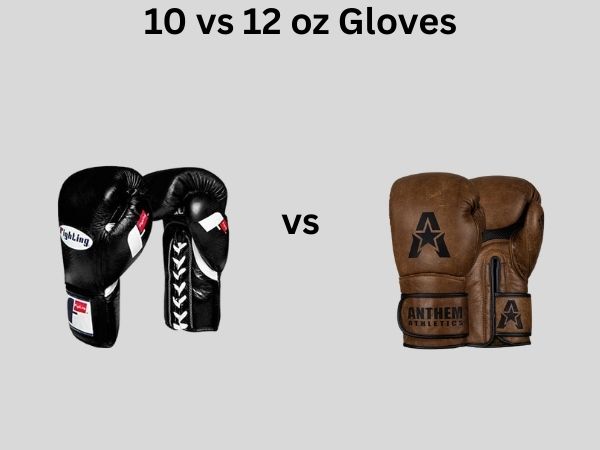
Boxing Gloves vs Sparring Gloves: What’s the Difference
When you’re choosing gloves for boxing, boxing gloves are typically for bag work and fighting, while sparring gloves are designed for safely training with a partner. The key difference lies in their padding and construction, prioritizing either power or protection. You’ll want the right glove to protect yourself and your training buddies.
Understanding this distinction is key to a safe and effective training session. Using the wrong gloves can lead to injuries for you or your opponent. Many fighters learn this the hard way, so we’re here to help you get it right from the start. Protecting your hands is serious business.
- Boxing gloves are for punching bags and bouts.
- Sparring gloves are for safe training with others.
- Padding and design are the main differences.
- Choosing correctly prevents injuries.
- It’s about protecting yourself and your partners.
Let’s break down exactly what makes each glove unique and help you pick the perfect pair for your training needs.
“`htmlBoxing Gloves vs. Sparring Gloves: What’s the Difference for Your Training?
When you step into the gym, you’ll see a variety of gloves. They might look similar at first glance. But there are key differences between boxing gloves and sparring gloves. You need to know which one is right for your needs. The main goal is safety and effectiveness in your training sessions. Choosing wisely protects your hands, wrists, and your training partners.
Understanding the Purpose of Each Glove Type
Boxing Gloves: Built for Power and Protection in the Ring
Think of traditional boxing gloves as your go-to for hitting things hard. These gloves are designed for striking. This includes hitting heavy bags, speed bags, and focus mitts. They are also the gloves used in actual boxing matches. The construction often prioritizes a good balance between punching power and hand protection. When you land a solid hit on a bag, you want to feel that impact, but not hurt your hands.
Their padding is strategically placed to cushion your knuckles. This helps prevent injuries like fractures. However, the padding might be firmer. This is to allow for a more solid feel when striking inanimate objects. Some boxing gloves might also have a more compact design. This can help with speed and feel during training drills.
Sparring Gloves: Prioritizing Safety for Partner Training
Now, when you’re getting ready to train with a partner, that’s where sparring gloves come in. Their primary job is to protect both you and your training opponent. We found that sparring gloves usually have more padding. This extra cushioning is spread more evenly throughout the glove. It helps to absorb the force of punches. This significantly reduces the risk of injury to both the person throwing the punch and the person receiving it.
Many experts say that sparring gloves often have a larger surface area. This makes them feel a bit bulkier. This bulkiness isn’t for show; it’s to ensure that when your glove connects, the impact is dispersed. Think of it like a shock absorber for your fists. We found that this design is vital for allowing partners to train at a higher intensity without causing harm.
Key Design Differences You’ll Notice
Padding and Distribution: The Core Distinction
The biggest difference you’ll feel is in the padding. Sparring gloves typically have softer, thicker padding. This is especially true around the knuckles and the back of the hand. This offers maximum protection. Boxing gloves, while still padded, may have firmer padding. This can give you a better feel for striking. We found that some boxing gloves might even have less padding overall compared to sparring gloves.
The way the padding is distributed also varies. In sparring gloves, the padding is often more generous. It aims to create a larger striking surface. This helps to cushion the impact for your partner. Boxing gloves might concentrate padding more on the striking surfaces. This helps protect your own knuckles.
Weight and Size: More Than Just Numbers
Glove weight is measured in ounces (oz). Both types come in various weights. However, the weight in sparring gloves is often geared towards providing more padding. For instance, you’ll commonly see sparring gloves in 16 oz, 18 oz, or even 20 oz. These heavier weights mean more cushioning. Lighter gloves like 10 oz or 12 oz are more typical for bag work or competitive bouts.
We found that the overall size and shape can also differ. Sparring gloves might appear larger. This is due to the increased padding. This size difference contributes to their protective function. Think of it like wearing thicker winter gloves versus thinner driving gloves. Each serves a purpose.
Wrist Support and Closure Systems
Both glove types will offer wrist support. This is usually through hook-and-loop (Velcro) straps or lace-up closures. However, some sparring gloves might have features that enhance wrist stability even further. This is to prevent hyperextension during impact. We found that good wrist support is essential for both types of gloves to prevent injuries like sprains.
When to Use Which Glove
Your training needs will dictate which glove you grab. It’s like choosing the right tool for the job. You wouldn’t use a hammer to screw in a screw, right? It’s the same with gloves.
Using Boxing Gloves for Skill Development
Grab your boxing gloves when you’re working on the heavy bag. They are also perfect for shadow boxing. You’ll use them when working with focus mitts held by your coach. They are also your choice for any competitive matches. The focus here is on developing your striking technique and power. You want to feel the impact and refine your form.
Sparring Gloves for Partner Drills and Conditioning
Reach for your sparring gloves when you’re drilling with a teammate. This includes any form of controlled sparring or technical sparring. They are essential for conditioning rounds. If you’re simulating a fight or practicing defensive moves against an active opponent, sparring gloves are a must. The emphasis here is on safe interaction and endurance.

A Quick Comparison Table
Here’s a simple way to see the main differences side-by-side:
| Feature | Boxing Gloves | Sparring Gloves |
|---|---|---|
| Primary Use | Bag work, mitt work, competition | Partner training, controlled sparring |
| Padding Focus | Balanced, can be firmer, for striking feel | Softer, thicker, distributed for maximum impact absorption |
| Protection Level | Good hand protection, focuses on striking | Excellent protection for both user and partner |
| Typical Weights | 10 oz, 12 oz, 14 oz (competition rules may vary) | 14 oz, 16 oz, 18 oz, 20 oz (heavier for more padding) |
| Size | Can be more compact | Often larger due to extra padding |
Making the Right Choice for Your Hands
So, how do you decide? It really comes down to what you’ll be doing most. Many fighters keep at least two pairs. One pair for solo training and another for partner work. We found this to be a common and smart practice.
Consider Your Training Goals
Are you focusing on building power and technique on the bags? Then a good pair of boxing gloves will serve you well. If you’re preparing for sparring sessions or working closely with a training partner, prioritizing safety with sparring gloves is key. We found that your gym might even have specific requirements for glove types during sparring.
Listen to Your Body and Your Coach
Pay attention to how your hands feel after training. If you experience discomfort or pain, it might be time to re-evaluate your gloves. Your coach can also offer great advice. They’ve seen many fighters train and can guide you toward the best options. Remember, healthy hands mean more training time.
Your Glove Checklist for Smarter Training
To make sure you’re set up for success, here’s a quick checklist:
- Do you have gloves specifically for bag and mitt work?
- Do you have a separate pair for sparring with partners?
- Are your sparring gloves sufficiently padded to protect everyone?
- Do your gloves offer good wrist support?
- Do the weights align with your training needs and gym rules?
- Do they feel comfortable and secure on your hands?
Choosing the right gloves isn’t just about looking the part; it’s about training smarter and staying injury-free. Both boxing gloves and sparring gloves have their important roles. Understanding their differences helps you make the best decision for your boxing journey.
“` “`htmlConclusion
You’ve learned that boxing gloves and sparring gloves are not interchangeable. Boxing gloves are your tool for hitting bags and improving striking power. Sparring gloves, with their extra padding, are essential for keeping you and your partners safe during training. You likely need both pairs to cover all your training bases. Investing in the right gloves is investing in your long-term boxing journey. Your next step is to check your current gear and see if you have both types, ensuring you’re ready for any workout safely.
Frequently Asked Questions
Can I use boxing gloves for sparring?
While you technically can, it’s not recommended. Boxing gloves often have firmer padding and less overall cushioning. This means they are less effective at absorbing impact, increasing the risk of injury to both you and your training partner.
Are sparring gloves heavier than boxing gloves?
Sparring gloves are often heavier because the extra weight comes from more padding. This additional padding is crucial for protecting everyone involved in sparring sessions. Typical sparring gloves range from 16 oz to 20 oz, while boxing gloves for bag work or competition are often lighter.
How do I know if my gloves are good for sparring?
Good sparring gloves will feel softer and more cushioned, especially around the knuckles. They should also feel larger and bulkier than your bag gloves. If you can feel your knuckles sharply when you hit a pad or bag, they might not be padded enough for safe sparring.
Do I really need separate gloves for bag work and sparring?
Yes, most fighters find it essential. Using your dedicated sparring gloves for bag work can wear down their protective padding faster. This reduces their effectiveness for partner training. Having separate pairs ensures each type is used for its intended purpose, maximizing longevity and safety.
What if my gym has weight restrictions for sparring gloves?
Many gyms have rules about glove weight for sparring to ensure safety. Commonly, they require 16 oz gloves or heavier. Always check with your coach or gym management about their specific requirements before purchasing new gloves. This ensures you comply with their safety standards.
“`