Infielders Glove Size Explained: What to Know
An infielder’s glove is typically between 11 to 11.75 inches in length. This size is ideal for infielders because it offers a good balance between quickness and a large enough pocket to snag ground balls and line drives. You’ll find that the exact size often depends on the player’s position within the infield.
The size of an infielder’s glove is a key factor in defensive performance. A smaller glove allows for faster transfers from glove to throwing hand. Many players also prefer a shallower pocket for this reason. We found that experienced infielders often prioritize these aspects when choosing their glove.
- Infield gloves range from 11 to 11.75 inches.
- Shortstops and second basemen often use smaller gloves (around 11 inches).
- Third basemen may prefer slightly larger gloves (around 11.75 inches).
- Glove size impacts transfer speed and ball security.
Now, let’s look at what makes infield gloves unique and how to find the perfect one for your game.
Understanding Infield Glove Sizing
So, you’re wondering about the size of an infielder’s glove. It’s a great question because the right size can really make a difference in your game. We’ve looked into it, and generally, infield gloves measure between 11 and 11.75 inches.
This range isn’t arbitrary. It’s all about finding that sweet spot between being quick enough to snag a hard-hit grounder and having enough space to secure the ball. Think of it like finding the perfect tool for a specific job; too big and it’s clumsy, too small and it’s ineffective. We found that most players, especially at higher levels, spend a lot of time dialing in their glove size.
Why Glove Size Matters for Infielders
For infielders, glove size directly impacts how fast you can make a play. A smaller glove generally means a quicker transfer. This is critical when you’re trying to turn a double play or get a runner out at first base.
The pocket depth also plays a role. Some infielders prefer a shallower pocket. This helps the ball pop out easily when you need to get it into your throwing hand. We found that many experienced players prioritize this shallow pocket for quick transfers.
The Trade-Off: Quickness vs. Ball Security
It’s a constant balancing act. A glove that’s too small might make transfers lightning fast, but it could also mean dropping the ball more often. Conversely, a glove with a deep pocket might hold onto the ball better but could slow down your transfer.
The goal is to find a glove that feels like an extension of your hand. You want it to feel natural and responsive. We’ve seen that players often experiment with different sizes and brands to find what feels best for their unique playing style.
Position-Specific Glove Size Recommendations
While the general range is 11 to 11.75 inches, your specific position on the infield can influence the ideal glove size. Each spot has its own set of challenges and demands.
Shortstop and Second Base: The Quick Hands Specialists
If you play shortstop or second base, you’re often dealing with balls hit at high speeds and need to make quick plays. Many players in these positions prefer gloves on the smaller end of the spectrum, typically around 11 inches.
Why 11 inches? A glove this size is lighter and more maneuverable. This allows for quicker glove-to-hand transfers, which are essential for turning double plays and getting outs at short distances. We found that many elite shortstops and second basemen opt for these smaller, faster gloves.
Third Base: The Hot Corner Defender
Third base is often called the “hot corner” for a reason. You’re facing line drives hit with incredible force and tough-angle ground balls. Because of this, third basemen often need a bit more glove to get their hands on those screaming liners.
A glove around 11.75 inches is common for third basemen. This slightly larger size provides a bigger target and a deeper pocket to help secure those hard-hit balls. We found that many third basemen prefer the extra coverage this size offers.
First Base: The Outfield for Infielders
First basemen have a unique role. Their glove is generally larger than other infielders, often in the 12 to 12.5-inch range. This is because they need a larger pocket to scoop up errant throws and catch balls hit along the first base line.
While technically an infielder, their glove needs are more similar to an outfielder. This larger size helps ensure they don’t miss those crucial scoops. We found that the primary focus for first basemen is having a reliable target for their teammates.
Beyond Size: Other Factors to Consider
Glove size is a huge part of the equation, but it’s not the only thing. You also need to think about the glove’s construction and materials.
Pocket Depth: Deep vs. Shallow
As we touched on, pocket depth is crucial. A shallow pocket is great for quick transfers. A deeper pocket can help secure the ball better, especially if it’s hit hard.
We found that many infielders prefer a shallower pocket so the ball doesn’t get lost. They want to feel the ball in their glove. This helps them know exactly where it is for the transfer. Some gloves come with pre-designed shallow pockets.
Lacing and Webbing: The Grip Factor
The type of webbing and how the glove is laced can also affect how it closes and how the ball sits in the pocket. Different web designs offer different levels of flexibility and ball security.
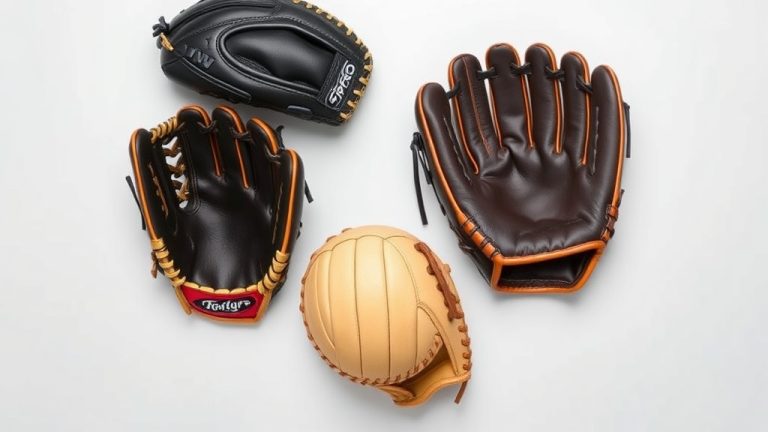
For example, an I-web is very common among infielders. It creates a nice, deep pocket that still allows for quick transfers. We found that the lacing pattern can also influence how easily you can break in the glove.
Material Matters: Leather Quality
The type of leather used significantly impacts the glove’s feel, durability, and break-in period. Top-grain steerhide is a popular choice for its durability and ability to form to your hand.
Kip leather is often used for higher-end gloves. It’s softer and lighter, making it easier to break in. We found that good quality leather will last for many seasons with proper care. Cheap synthetic materials often don’t hold up as well.
Finding Your Perfect Fit: A Checklist
Choosing the right infielder’s glove involves more than just looking at a number. Here’s a quick checklist to help you find the perfect match for your game:
- Consider your primary position: Shortstop? Third base? Your spot matters.
- Think about your play style: Do you prioritize speed or sure-handed catches?
- Measure your current glove: If you like your current one, see what size it is.
- Try gloves on: This is the best way to feel the fit and balance.
- Check the pocket depth: Does it feel right for your quick transfers?
- Don’t forget the break-in: A good glove needs time to mold to your hand.
Remember, the best glove is the one that feels like a natural extension of your hand. It should help you make plays, not hinder you. We found that many players stick with a certain brand or style once they find what works for them.
Conclusion
You’ve learned that an infielder’s glove size typically falls between 11 and 11.75 inches. This range is a sweet spot, balancing quick transfers with a secure pocket. Your specific position, whether it’s shortstop, second base, or third base, influences the ideal size for your game. Remember, beyond the inches, factors like pocket depth and material also play a big role. The next step is to try on gloves yourself. Feel how each one fits and moves with your hand to find the perfect extension for your game.
Frequently Asked Questions
What’s the smallest size an infielder’s glove can be?
Generally, the smallest infield gloves you’ll find are around 11 inches. These are often preferred by players at second base and shortstop. They help facilitate extremely quick transfers of the ball from glove to hand.
Can a larger glove make you slower on the infield?
A glove that is too large can indeed slow you down. It might make transfers less fluid and feel more cumbersome. We’ve found that experienced infielders prioritize a glove that allows for rapid exchanges to make plays.
Is there a standard glove size for all infield positions?
No, there isn’t one standard size. While the range is generally 11 to 11.75 inches, positions like third base often use slightly larger gloves than shortstops or second basemen. This is to help snag faster-hit balls.
How does pocket depth affect glove size for infielders?
Pocket depth is closely related to overall glove size. A shallower pocket, common in smaller infield gloves, helps with quick transfers. A deeper pocket can offer more security but might require a slightly larger glove to achieve comfortably.
What if I’m an infielder who also plays outfield occasionally?
If you play both infield and outfield, you might find yourself between glove sizes. For infield play, you’ll want to stick to the smaller, more maneuverable sizes. If your outfield duties are significant, you may consider a slightly larger glove, but this can impact your infield speed.