How Leather Gloves Should Fit for Comfort and Style
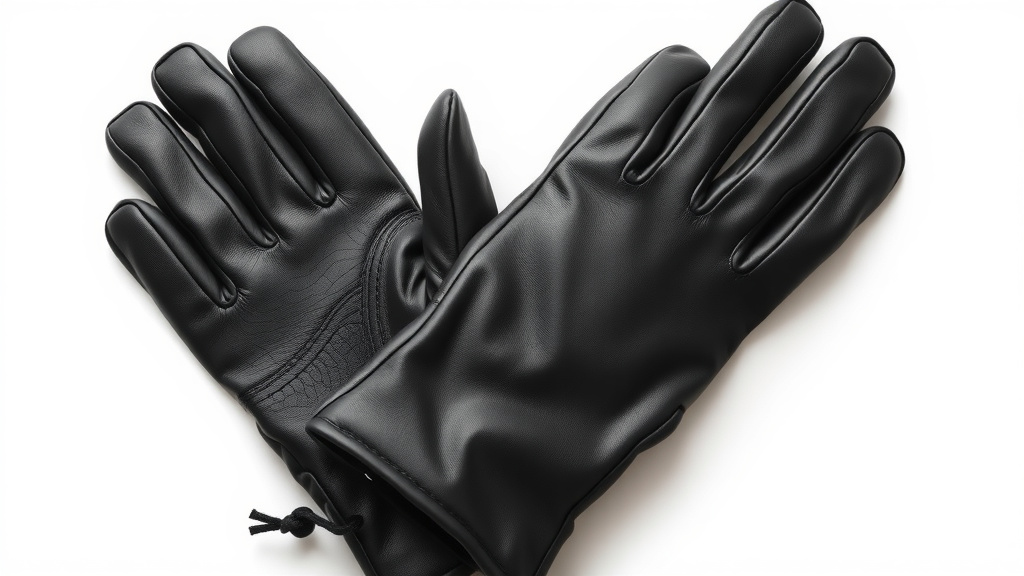
Leather gloves should fit snugly, feeling like a second skin without being too tight. They shouldn’t leave large gaps at your knuckles or wrist. A proper fit means you can still flex your fingers comfortably. This is key for both comfort and function, ensuring your hands stay warm and protected.
When you first try on leather gloves, they might feel a bit stiff. This is normal! Over time, they will stretch and mold to your unique hand shape. Many experts advise choosing gloves that are snug but not painful. Avoid gloves that are baggy or restrict your hand’s natural movement. The right fit makes a big difference.
- Leather gloves should feel snug, like a second skin.
- They should allow comfortable finger movement.
- Avoid gloves that are too tight or leave big gaps.
- Leather gloves will stretch and conform to your hand over time.
- A good fit enhances warmth and protection.
Let’s walk through exactly how to check if your leather gloves have the perfect fit.
Getting the Right Fit for Your Leather Gloves
Finding the perfect fit for your leather gloves is more than just about comfort. It’s about ensuring they do their job well. A good fit means your hands stay warm and protected. It also allows you to move freely. Let’s figure out how your leather gloves should feel on your hands.
The Snugness Factor: A Gentle Embrace
When you slip on a new pair of leather gloves, they should feel snug. Think of it like a gentle hug for your hands. They should conform to the shape of your fingers and palms. This close fit is essential for warmth. It helps trap your body heat effectively.
Checking for That Perfect Snugness
As you put them on, pay attention to how they feel. Your fingertips should reach the very end of the glove. There shouldn’t be any extra material bunching up. If there’s too much space, the glove won’t feel like a second skin. This can let cold air seep in.
The “Second Skin” Test
We’re aiming for that second skin feel. Imagine your hand is the mold, and the glove is the perfectly formed casing. It should move with your hand, not against it. You might notice a slight resistance at first. That’s normal for new leather.
Flexibility and Dexterity: Can You Wiggle Your Fingers?
One of the most important tests is your ability to move your fingers. Can you bend them comfortably? Try making a fist. Does the glove restrict this motion at all? If it feels like your fingers are being pinched or forced into an unnatural position, they might be too tight.
The Finger Flex Test
Try to flex your fingers individually. Then, try bending them all together. The leather should give way easily. You shouldn’t feel any intense pressure points. Some slight tightness is okay initially, as we’ll discuss stretching later. But outright discomfort is a sign of a poor fit.
Maintaining Dexterity
Leather gloves are often chosen for tasks that require some level of dexterity. Whether you’re driving, gardening, or simply walking in chilly weather, you need to be able to grip things. If your gloves make it hard to pick up small objects or operate controls, they aren’t fitting correctly.
Examining Key Fit Points
Beyond the overall feel, let’s look at specific areas of the glove. These spots can tell you a lot about whether the fit is right for your hands.
The Thumb’s Tale
Your thumb is a good indicator. When you make a fist, the thumb area should feel secure. There shouldn’t be much wiggle room or a large gap. Yet, it must allow full rotation and extension without strain. A thumb that’s too short will pinch. One that’s too long will feel floppy.
Knuckle Room and Gaps
Look at your knuckles. Are there large, noticeable gaps between your knuckles and the glove material when your hand is relaxed? There shouldn’t be. The glove should follow the natural contour of your hand. Some very slight creasing is fine, but gaping indicates a loose fit. This lets the elements in.
The Wrist Closure: A Secure Seal
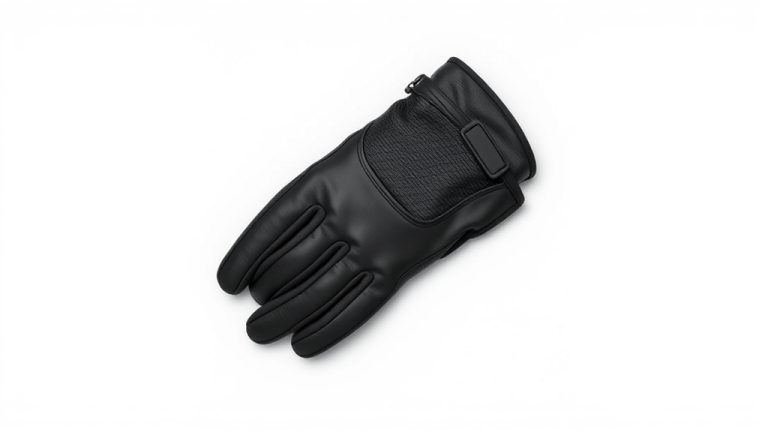
How does the wrist area fit? Most leather gloves have a closure, like a snap or a button. This should allow you to secure the glove snugly around your wrist. You want to prevent drafts from entering. It shouldn’t be so tight that it cuts off circulation. A comfortable, firm seal is the goal.
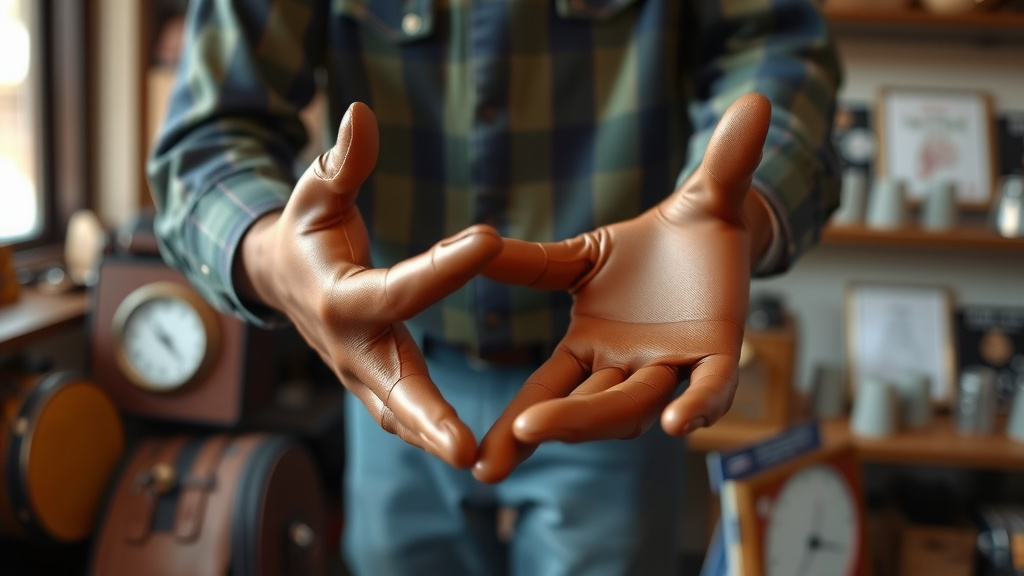
The Stretching and Molding Process
Remember, leather is a natural material. It has a wonderful ability to stretch and adapt. When you first try on gloves, they might feel a bit stiff and perhaps even a little too snug. This is completely normal and expected!
How Leather Conforms to You
Over time, with wear, the leather will stretch and mold to the unique shape of your hands. This means a pair of gloves that feels very snug on day one can become perfectly comfortable after a few wears. Think of it like breaking in a new pair of leather shoes.
What to Expect During Break-In
You might feel slight pressure points initially. These should gradually ease as the leather softens and stretches. Many experts suggest buying gloves that are snug but do not cause immediate pain or numbness (National Retail Federation). If they are painfully tight, they might be too small even after stretching.
| Area | Ideal Fit Description |
|---|---|
| Fingertips | Reach the very end of the glove. No extra space. |
| Palm & Fingers | Snug, like a second skin. No pinching. |
| Knuckles | Glove follows contour. Minimal or no gaps. |
| Thumb | Secure, allows full movement without restriction. |
| Wrist | Snug closure, prevents drafts but allows circulation. |
Common Fit Mistakes to Avoid
It’s easy to make a mistake when buying gloves, especially online. Here are a few common pitfalls to watch out for. Avoiding these will help you find a better fit.
The “Too Tight” Trap
One of the biggest mistakes is buying gloves that are too tight. This is especially tempting if you know they’ll stretch. Gloves that are painfully tight will likely remain so. They can also restrict blood flow, making your hands colder—the opposite of what you want. They may also cause blisters.
The “Baggy” Blunder
Conversely, avoid gloves that are too loose or baggy. This means there’s too much extra material. It can bunch up uncomfortably. Baggy gloves won’t keep you warm because cold air can easily get in. They also reduce your ability to grip and control things.
Ignoring the “Gap” Sign
Pay attention to any large gaps. These often appear around the knuckles or the wrist. This indicates the glove isn’t shaped for your hand properly. It’s a sign that the overall fit is likely off. Such gaps are entry points for wind and moisture.
Your Glove Fit Checklist
To make sure you’ve found the right pair, run through this quick checklist:
- Second Skin Feel: Do they hug your hand without pinching?
- Full Flex: Can you comfortably bend and wiggle all your fingers?
- No Gaping: Is there minimal to no extra space at your knuckles or wrist?
- Thumb Comfort: Does your thumb move freely and feel secure?
- Warmth Potential: Do they feel like they’ll keep your hands warm?
- Dexterity Check: Can you imagine performing tasks with them?
Conclusion
Finding the perfect fit for your leather gloves is all about achieving that “second skin” feel. Remember, they should be snug but never painful, allowing for comfortable movement and dexterity. Your fingertips should reach the end, and there shouldn’t be significant gaps at the knuckles. Trust the natural stretching process of leather; a slightly snug pair will often mold to your hand beautifully. By avoiding the “too tight” or “baggy” traps, you’ll ensure your gloves provide the warmth and protection you need. Now that you know what to look for, go find that perfect pair!
Frequently Asked Questions
How do I know if my leather gloves are too tight?
If your gloves cause immediate pain, numbness, or restrict blood circulation, they are likely too tight. You should be able to comfortably flex your fingers and make a loose fist without intense pressure. A truly “too tight” glove won’t break in comfortably, even with stretching.
Will my leather gloves stretch over time?
Yes, leather is a natural material that is designed to stretch and conform to your hand’s unique shape. This break-in period is normal and helps achieve that perfect “second skin” fit. Expect them to feel a bit snug initially, but they should become more comfortable with regular wear.
What’s the best way to measure my hand for gloves?
To measure, loosely wrap a tape measure around the fullest part of your palm, excluding your thumb. You can also measure the length of your middle finger. Comparing these measurements to a brand’s specific sizing chart is usually the most accurate method for ordering online.
Should there be any space at the fingertips of my leather gloves?
Ideally, your fingertips should reach the very end of the glove. There shouldn’t be extra material bunching up at the tips. A small amount of space might be acceptable if you’re certain the gloves will stretch significantly, but too much space can reduce warmth and dexterity.
What if my leather gloves feel stiff at first?
It’s perfectly normal for new leather gloves to feel a bit stiff. This is because the leather hasn’t yet been broken in and molded to your hands. Wear them around the house for short periods, and they will gradually soften and become more flexible.