How to Size Goalkeeper Gloves: A Perfect Fit Guide
Determining your goalkeeper glove size is simpler than you think! It mainly comes down to measuring your hand and comparing it to a size chart. Most gloves come in sizes 4 through 11, with adult sizes typically falling between 7 and 11. Getting the right fit ensures optimal performance and comfort.
You’ll want your gloves to feel snug but not constricting. A proper fit means the glove wraps around your hand without extra material bunching up. We found that many keepers struggle with gloves that are too big or too small, leading to reduced grip and potential injuries. Let’s make sure you avoid that!
- Measure your hand from the tip of your middle finger to the base.
- Measure the width of your hand across the palm.
- Consult the glove brand’s specific size chart.
- Try gloves on if possible for the best feel.
- A snug fit is key for grip and protection.
Ready to find your perfect pair? Let’s walk through exactly how to measure your hands and choose the right goalkeeper glove size step by step.
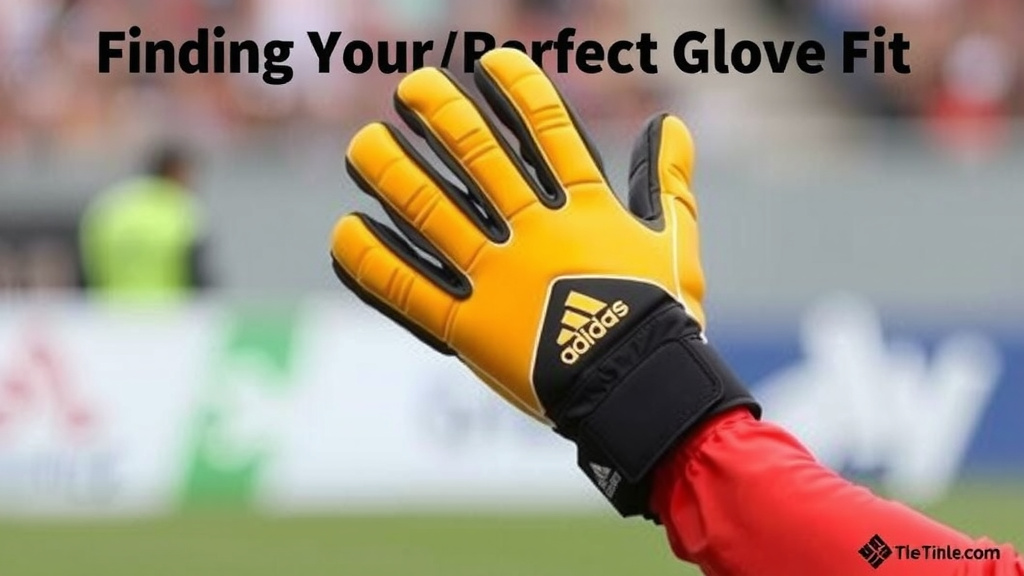
Finding Your Perfect Goalkeeper Glove Fit
Getting the right goalkeeper glove size is more important than you might think. Your gloves are your hands’ best friends on the field. They protect you and help you make those game-saving stops. A glove that’s too big or too small can actually hurt your game. You want a fit that feels like a second skin, snug yet flexible. Let’s dive into how you can measure your hands to find that perfect fit.
The Simple Steps to Measuring Your Hands
You don’t need fancy tools to get your glove size. Just a tape measure or even a piece of string and a ruler will do the trick. We found that most goalkeepers can nail their size with just a couple of measurements. It’s about understanding the dimensions of your hand and then matching them to the glove manufacturer’s guide.
Step 1: Measure Your Hand Length
This is the primary measurement for glove sizing. You’ll want to measure from the tip of your middle finger all the way down to the crease at the base of your palm. This gives you your glove’s length. Try to keep the tape measure straight along the middle finger.
Step 2: Measure Your Hand Width
Next, you’ll measure the width of your palm. Place your hand flat on a surface. Measure across the widest part of your palm, just below your fingers. Some charts might ask for this measurement, while others rely more on length. It’s a good idea to get both measurements just in case.
Using a Tape Measure
If you have a flexible tape measure, use it to get the most accurate reading. Wrap it gently around your hand at its widest point for the width. For length, lay the tape measure flat from your longest finger tip to the base of your palm.
Using String and a Ruler
No tape measure? No problem! You can use a piece of string for the measurements. Place the string along your middle finger, marking the length from tip to palm base. Then, lay the string flat on a ruler to get the exact measurement. Do the same for the width across your palm. This method works just as well!
Understanding Glove Sizing Charts
Once you have your measurements, the next step is to consult the specific size chart provided by the glove brand. This is super important because sizing can vary between manufacturers. What’s a size 9 in one brand might be a 9.5 in another.
Where to Find Size Charts
You can usually find these charts on the brand’s official website. They are often listed on the product page for goalkeeper gloves. If you’re shopping in a store, the charts are typically displayed near the gloves themselves. We’ve seen that brands want you to find the right fit, so they make these charts accessible.
How to Read a Size Chart
Most charts will have a column for hand length and width, and then corresponding glove sizes. You’ll find your measurements within a range. For example, if your hand length is 7 inches, the chart might show that corresponds to a size 8 glove. Always look for the brand’s specific chart. Some charts use inches, others use centimeters.
Matching Your Measurements
Line up your measurements with the chart. If your hand length falls between two sizes, it’s often better to size up. A slightly larger glove is usually easier to manage than one that feels too tight. We found that this is a common tip among glove experts too.
What a Proper Glove Fit Feels Like
Knowing your measurements is one thing, but understanding how the glove should feel on your hand is key. A properly sized glove will feel snug all around your hand. It shouldn’t be so tight that it cuts off circulation or restricts movement. You should be able to flex your fingers and grip your hand into a fist comfortably.
The “Snug, Not Tight” Rule
Think of it like a firm handshake. Your gloves should feel secure without squeezing. There shouldn’t be any excessive material bunching up at the fingertips or in the palm. If you can easily slide another finger or two inside the glove at the wrist, it’s likely too big. We’ve seen that this is a frequent mistake.
Testing the Grip and Flexibility
When you put on a new pair of gloves, try making different hand shapes. Make a fist, splay your fingers, and try to mimic the movements you’d make to catch a ball. The gloves should move with your hand naturally. You shouldn’t feel any pinching or pressure points. A good fit helps you grip the ball better.
When Gloves Feel Too Small
If the gloves feel too tight, they might restrict blood flow. This can make your hands cold and numb, which is terrible for goalkeeping. You might also feel pain or discomfort, which can lead to blisters. The fingertips might feel cramped, preventing a secure ball catch. Many sources advise against forcing a tight glove (Cleveland Clinic).
When Gloves Feel Too Big
Gloves that are too big can cause you to lose control of the ball. The extra material can get in the way of your grip. They can also slip around on your hand, leading to friction and potential blisters. You might also feel less confident making saves because the glove doesn’t feel secure.
Special Considerations for Goalkeeper Gloves
Goalkeeper gloves have unique features that can affect fit. The palm material, the cut of the fingers, and the wrist closure all play a role. Brands often use different cuts like Rollfinger, Negative, Flat Palm, or Hybrid. These cuts can change how a glove feels, even in the same size.
Palm and Finger Cuts
Different cuts offer varying degrees of latex contact with the ball. Some cuts provide more latex surface area, which can enhance grip. Others might offer a tighter fit around the fingers. If you have longer fingers, a specific cut might feel better than another. We found that trying different cuts can be very revealing.
Wrist Closures
The wrist closure, whether it’s a simple elastic cuff, a strap, or a combination, helps secure the glove. A good closure ensures the glove stays in place. It should feel firm but not painful. Some goalkeepers prefer a wider strap for more adjustability. This is a personal preference that also impacts the overall feel.
Trying Gloves On: The Best Method
While measurements are a great starting point, nothing beats trying gloves on. If you can, visit a sports store and try on several pairs. Pay attention to how each one feels. Move your hands around. Mimic catching motions. This hands-on experience is the most reliable way to find your perfect size and fit.
What to Do In-Store
When you try gloves on, take your time. Don’t just slip them on and take them off. Wear them for a few minutes. Practice catching imaginary shots. Wiggle your fingers. Make sure there are no immediate discomforts. This will give you a much better sense of the fit.
A Quick Checklist for Your Glove Purchase
Here’s a handy checklist to make sure you’re on the right track:
- Measure your hand length accurately.
- Measure your hand width across the palm.
- Always use the specific brand’s size chart.
- Expect gloves to feel snug, not loose or tight.
- Test flexibility and grip by making hand movements.
- If possible, try gloves on before buying.
Conclusion
You’ve learned that finding the right goalkeeper glove size is all about your measurements and understanding how they translate to a snug, comfortable fit. Remember, a proper fit isn’t just about comfort; it directly impacts your grip, control, and confidence on the field. Don’t skip the step of checking brand-specific size charts. It’s the quickest way to narrow down your options. The best advice we found is to always prioritize how the glove feels on your hand. If you can, try them on! Your next step is to grab your tape measure and start finding that perfect pair that feels like an extension of your own hands.
Frequently Asked Questions
How do I know if my goalkeeper gloves are too small?
If your gloves feel uncomfortably tight, restrict blood flow, or pinch your fingers, they are likely too small. You might also notice difficulty flexing your fingers or making a full fist. Your fingertips may feel cramped and unable to securely catch a ball.
What’s the best way to measure my hand for gloves?
You’ll need to measure your hand length from the tip of your middle finger to the crease at the base of your palm. You should also measure the width of your palm at its widest point. Use a flexible tape measure or string and a ruler for accuracy.
Can I use a general size chart for all glove brands?
No, it’s best to use the specific size chart provided by the brand of the gloves you’re interested in. Glove sizing can vary significantly between manufacturers, so a general chart might lead to an incorrect fit.
What if my hand measurements fall between two glove sizes?
If your measurements fall between two sizes, most experts recommend sizing up to the larger option. A glove that is slightly larger is often more comfortable and manageable than one that is too tight and restrictive.
Does the cut of the glove affect the sizing?
Yes, the cut (like Rollfinger, Negative, or Flat Palm) can influence how a glove feels, even if it’s the correct size. Different cuts fit differently around the fingers and palm, so trying on gloves with various cuts is recommended if possible.