Gloves vs Mittens: Key Differences Explained
The main difference between gloves and mittens is finger separation. Gloves have individual pockets for each of your five fingers. Mittens, on the other hand, keep your fingers together in a single pouch, with only a separate spot for your thumb. This design choice greatly impacts how warm and dexterous your hands are in cold weather.
When choosing handwear, consider your activity level. For activities requiring fine motor skills, like zipping a jacket or using your phone, gloves offer better dexterity. For maximum warmth, especially in extreme cold, mittens are generally the superior choice because they allow your fingers to share warmth. Many people find they need both for different winter situations.
- Gloves: Individual finger slots for dexterity.
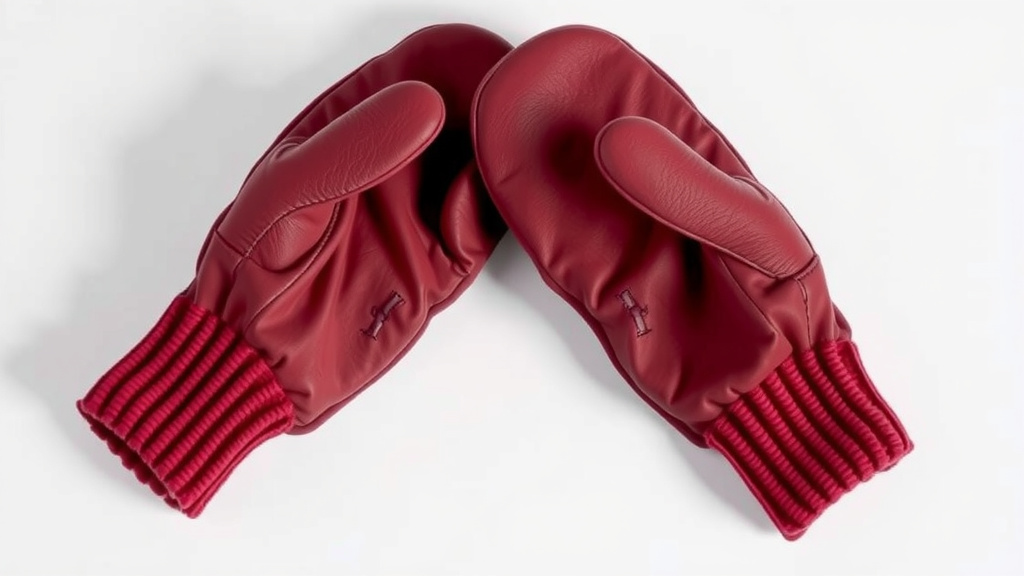
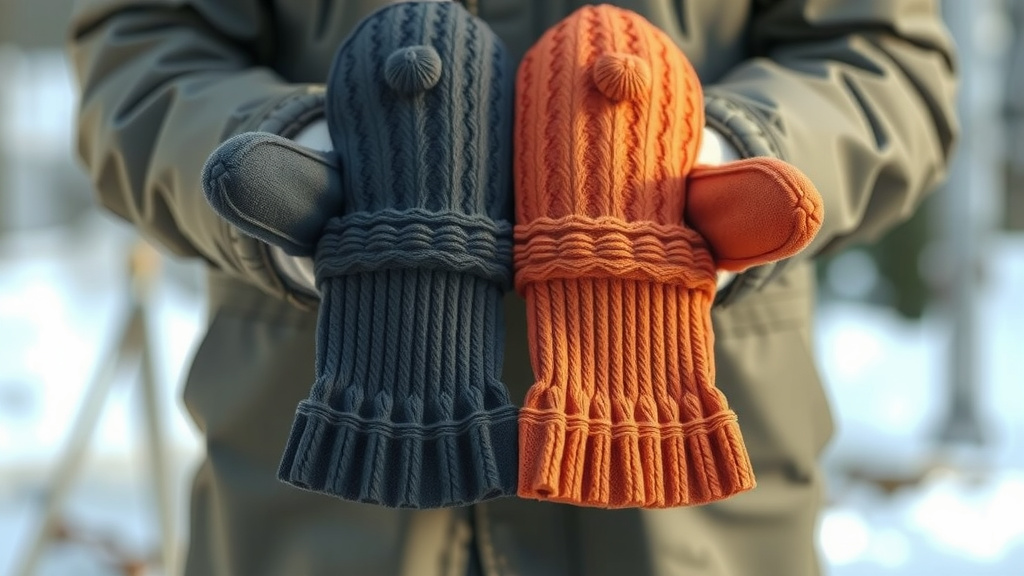
- Mittens: All fingers together (except thumb) for maximum warmth.
- Dexterity is key for tasks needing fine finger movement.
- Warmth is maximized when fingers share heat in mittens.
- Your choice depends on the weather and your activity.
We’ve found the distinction can make a big difference for your comfort. Let’s break down how each design impacts your hands in the cold.
“`htmlUnderstanding the Core Differences Between Gloves and Mittens
When the temperature drops, your hands feel it first. You might grab for a pair of gloves or mittens without thinking. But have you ever stopped to consider why one might be better than the other for a specific situation? It all comes down to their fundamental design.
The primary distinction lies in how they handle your fingers. Gloves give each finger its own cozy space. Mittens, however, group your fingers together. This simple difference has a big impact on warmth and how much you can do with your hands.
The Warmth Factor: Why Mittens Often Win
Let’s talk about heat. When you’re out in the biting cold, you want your hands to stay as warm as possible. Research has shown that mittens generally offer superior warmth compared to gloves.
Shared Body Heat
Think of your fingers like little heat generators. In mittens, all your fingers (except the thumb, which has its own separate compartment) are nestled together. This allows them to share their body heat. It’s like a little huddle for your fingers, keeping each other warm.
This communal warmth means less surface area is exposed to the cold air, and your body’s natural heat can work more effectively. Many outdoor enthusiasts and winter sports experts agree that for extreme cold, mittens are the go-to choice for maximum thermal protection.
Insulation and Design
Beyond shared heat, the construction of mittens often allows for more insulation. Because they don’t need to accommodate individual finger dexterity, mitten designers can use thicker, warmer insulating materials without making them bulky.
We found that a thicker mitten can feel less restrictive than a similarly insulated glove. This is because the space for the fingers is one large pocket, making it easier to pack in more insulating fill like down or synthetic fibers.
The Dexterity Debate: When Gloves Take the Lead
Now, what about when you need to actually *do* things with your hands? This is where gloves shine. If you’ve ever tried to zip up a jacket, tie your shoes, or operate your phone with bulky mittens on, you know the struggle is real.
Individual Finger Control
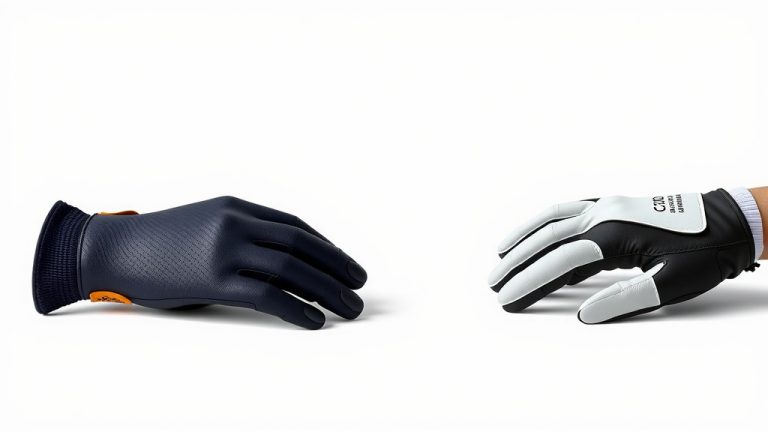
Gloves are designed with individual finger slots. This separation gives you the ability to move each finger independently. You can grasp, pinch, and manipulate objects with a much finer degree of control.
We’ve heard from many people that this difference is critical for everyday tasks. Being able to precisely control your fingers makes all the difference when you need to perform detailed work or simply manage your belongings without fumbling.
Tasks Requiring Fine Motor Skills
Consider activities like:
- Adjusting ski bindings
- Taking photos with a camera
- Handling money or credit cards
- Using tools
- Operating a smartphone or GPS device
For any of these, the dexterity provided by gloves is a clear advantage. You don’t want to miss a photo opportunity or struggle with your equipment because your hands are too clumsy.
Comparing Materials and Construction
Both gloves and mittens come in a wide range of materials and constructions, affecting their performance. The type of activity you’re planning is a key factor in choosing the right type and material.
Common Materials You’ll Find
You’ll often see these materials used:
- Wool: A natural insulator that stays warm even when wet.
- Fleece: Soft, warm, and quick-drying.
- Synthetic Insulators: Like Thinsulate or PrimaLoft, offering good warmth-to-weight ratios.
- Leather: Durable and offers some water resistance, often used as an outer layer.
- Waterproof/Breathable Fabrics: Such as Gore-Tex, essential for wet conditions.
Features to Look For
Beyond the main material, check for features like:
- Adjustable Cuffs: To seal out snow and cold air.
- Grip Enhancements: Textured palms for better handling.
- Removable Liners: For easier drying and versatile warmth.
- Waterproof Membranes: Crucial if you expect to encounter moisture.
When to Choose Which: A Quick Guide
Making the right choice often depends on your specific needs. Here’s a quick breakdown to help you decide:
Opt for Mittens When…
Your top priority is maximum warmth. This is especially true in very cold or wet conditions. If you’ll be standing around a lot, like watching an outdoor event, or if you have circulation issues, mittens are likely your best bet.
Choose Gloves When…
You need to maintain dexterity for tasks. If your winter activity involves a lot of movement and manipulation, like hiking with poles, shoveling snow, or even just commuting and needing to access your phone, gloves offer the necessary control.
Hybrid Options for Versatility
The good news is that you don’t always have to pick just one. Many brands offer hybrid designs that try to give you the best of both worlds. These often feature a mitten-like shell with individual finger linings inside, or flip-top designs where you can convert gloves into mittens.
Mitten-Gloves (Flip-Top)
These look like gloves but have a flap that covers your fingers, turning them into mittens. This offers flexibility. You get the dexterity of gloves when you need it and the warmth of mittens when the temperature really bites.
Three-Finger Designs
Some specialized options group three fingers together while leaving the index finger separate. This can offer a compromise between the warmth of mittens and the dexterity of gloves for certain tasks.
Making Your Final Choice: A Checklist
Before you head out to shop, consider these points to ensure you get the right handwear for your needs:
- Consider the typical temperature: How cold does it usually get where you are?
- Assess your activity level: Will you be active or mostly stationary?
- Think about your tasks: Do you need fine motor control?
- Factor in moisture: Will your hands get wet from snow or rain?
- Check for a good fit: They shouldn’t be too tight or too loose.
- Prioritize insulation: Make sure there’s enough warmth for your needs.
By thinking through these questions, you can make an informed decision that will keep your hands comfortable and protected all winter long.
| Feature | Gloves | Mittens |
|---|---|---|
| Finger Separation | Individual slots for each finger | Fingers grouped together (except thumb) |
| Warmth | Good, but generally less than mittens | Excellent, due to shared body heat |
| Dexterity | High, allows for fine motor skills | Low, can make detailed tasks difficult |
| Best For | Activities requiring hand manipulation, mild to moderate cold | Extreme cold, activities with minimal hand use, very cold conditions |
| Insulation Potential | Limited by finger separation | Higher due to undivided space |
Conclusion
You’ve learned that the main difference between gloves and mittens comes down to finger separation. Gloves offer superior dexterity for tasks needing precision, while mittens excel at keeping your hands warmest by allowing fingers to share heat. We’ve seen how factors like insulation, activity level, and the specific cold conditions will guide your choice. Remember, the best handwear for you depends on your unique winter needs. Consider trying a hybrid option or owning both types to be ready for whatever the weather throws your way.
Frequently Asked Questions
Are mittens warmer than gloves?
Yes, research and general consensus show mittens are typically warmer. This is because your fingers are grouped together, allowing them to share body heat more effectively. Gloves separate fingers, which can lead to faster heat loss.
When should I choose gloves over mittens?
You should choose gloves when you need to perform tasks that require fine motor skills. This includes using your phone, handling money, adjusting gear, or any activity where precise finger movement is necessary.
Can I find gloves and mittens that offer both warmth and dexterity?
Absolutely. Many brands offer hybrid designs. These might include flip-top mittens that convert to gloves, or gloves with specialized insulation that still allow for good finger movement.
What materials are best for very cold weather?
For extreme cold, look for mittens made with thick wool, fleece, or advanced synthetic insulations like Thinsulate or PrimaLoft. Waterproof and breathable outer layers are also important if you expect moisture.
How do I ensure my gloves or mittens fit properly?
A proper fit is key for both warmth and comfort. Your handwear shouldn’t be too tight, as this restricts circulation and reduces warmth. They also shouldn’t be too loose, which can cause friction and make them less effective against the cold.