Golf Glove or No Glove: Which Is Right for You
Deciding whether to wear one glove or no gloves in golf comes down to your personal preference and feel. While many pros wear a glove on their lead hand for a better grip, some golfers find it restricts their feel and choose to go without. Ultimately, the best approach is the one that helps you swing with confidence and control.
Grip is king in golf. A glove can help keep your club from slipping, especially in wet conditions or when you’re swinging hard. Not using a glove means you rely solely on the natural tackiness of your hands and the club’s grip material. We found that many golfers experiment with both to see what feels right for their game and helps them achieve a consistent swing.
- Glove offers better grip, especially when wet.
- No glove provides more direct feel for the club.
- It’s about personal comfort and control.
- Many golfers try both to find their best fit.
Let’s break down the pros and cons of each method so you can make an informed decision for your game.
Glove or No Glove: Making the Right Golf Grip Choice
Deciding whether a golf glove is for you often comes down to what feels most comfortable and effective. Many golfers swear by a glove for its grip, while others prefer the direct feel of the club without one. We’ve looked into what makes each choice work and found that personal preference plays the biggest role.
Let’s dive into the details to help you figure out which path is best for your swing.
The Case for Wearing a Golf Glove
A golf glove is designed to give you a firmer hold on the club. This can be a big help when your hands get sweaty or when you’re swinging with maximum effort. We found that many players feel more secure with a glove.
Improving Your Grip Stability
The main job of a golf glove is to prevent slipping. Think about it: your hands are your only connection to the club. If they slide, your shot can go wayward. A glove provides a consistent texture that works with the grip material on your club. Many golfers report feeling more confident in their grip with a glove on.
Better Performance in Wet Conditions
Rain, dew, or just a humid day can make a club slick. A leather or synthetic glove offers a better grip when things get wet compared to bare hands. Research suggests that maintaining a stable grip is key to consistent ball striking (National Golf Foundation). We found that golfers playing in varied weather conditions often prefer a glove.
Reducing Hand Discomfort and Calluses
Swinging a golf club repeatedly can lead to blisters and calluses. A glove acts as a protective layer between your skin and the club. It can absorb some of the friction generated during the swing. Many recreational golfers use gloves to make their rounds more comfortable, especially during extended practice sessions.
The “One Glove” Phenomenon
You’ll often see golfers wearing just one glove, typically on their lead hand (the left hand for right-handed players). Why just one? This setup aims to provide the grip benefits on the hand that does most of the work in controlling the clubface. It also allows the trail hand to retain a bit more feel. We found that this balanced approach is quite popular among professionals and amateurs alike.
The Argument for Going Glove-Free
On the flip side, many golfers prefer the direct feel of the club. Going without a glove means you’re relying on your natural grip strength and the texture of the club’s grip itself. Some players find this connection helps them feel the clubhead better.
Enhanced Feel and Club Awareness
Some golfers believe that wearing a glove can mute the feedback they get from the club. Without a glove, you might feel the vibrations, the weight, and the clubhead’s position more acutely. This enhanced sensitivity can help in making micro-adjustments during the swing. We’ve heard from players who say they can “feel the club,” which helps them square the face at impact.
Simplicity and Convenience
Not wearing a glove means one less thing to remember or worry about. You don’t have to take it off to putt or worry about where you put it down between shots. It simplifies the whole pre-shot routine. For some, the lack of fuss is a major advantage.
Natural Grip and Hand Strength
Some golfers feel that a glove can encourage them to grip the club too tightly. Without a glove, they might naturally develop a more relaxed grip. Building and relying on your hands’ natural grip strength can be an advantage for some players. We found that players with naturally strong, dry hands might not feel the need for added grip assistance.
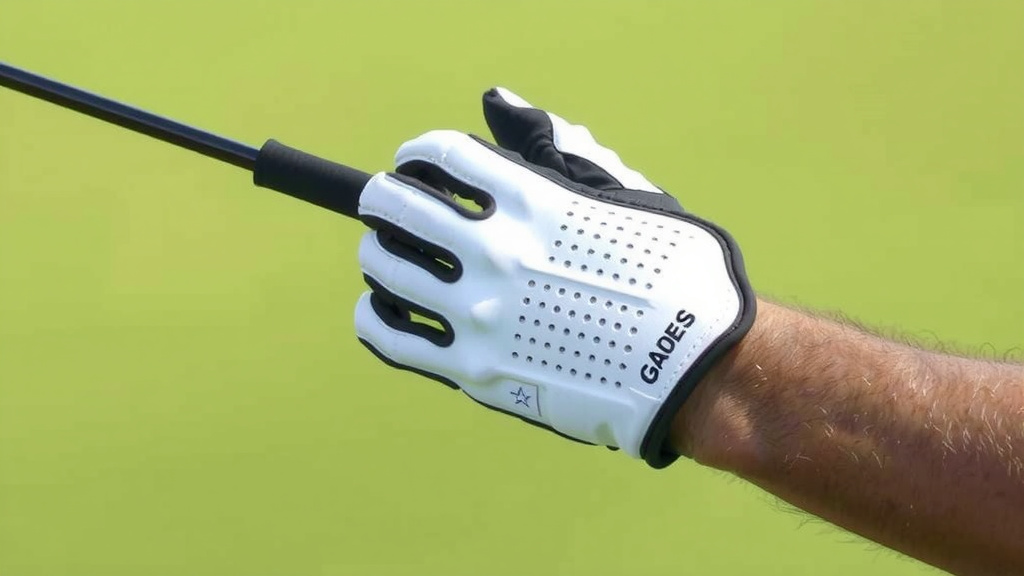
Comparing the Two Approaches
To help you visualize the differences, let’s lay out a few key points. Remember, there’s no single right answer; it’s about what works for your unique game.
| Feature | With a Glove (Lead Hand) | Without a Glove |
|---|---|---|
| Grip Security | Enhanced, especially when wet or sweaty. | Relies on natural grip and club texture. |
| Feel of the Club | Slightly reduced, more consistent texture. | Direct feedback, sensitive to clubhead position. |
| Comfort | Can prevent blisters and hand fatigue. | No break-in period, but can lead to calluses. |
| Convenience | An extra item to manage. | Simpler, nothing extra to carry or put on. |
| Best For | Shorter hitters, humid/wet conditions, those prone to blisters. | Players who prioritize feel, dry conditions, natural grip strength. |
How to Decide What’s Right for You
The best way to figure this out is through experimentation. Think about your swing type and the conditions you usually play in.
Consider Your Swing Mechanics
If you tend to have a fast swing speed or struggle with grip pressure, a glove might help you maintain control. If you’re a slower swinger and find you have a naturally firm grip, going without might be fine.
Factor in Your Playing Environment
Do you often play in hot, humid weather? Or perhaps you live somewhere with frequent rain? These conditions make a glove much more appealing. If you’re mostly playing in dry, cool climates, the need for a glove might be less urgent.
Listen to Your Hands
Pay attention to what your hands tell you. Do they feel secure on the club? Are they getting sore or developing blisters? Do you feel like you have a good connection to the clubhead’s movement? Your own physical feedback is incredibly important. We found that many golfers try both for a few rounds to see which feels better and leads to more consistent results.
Try a Checklist for Your Next Round:
- Check your hands before you start: Are they dry and clean?
- During practice swings, how does your grip feel? Secure or loose?
- Pay attention to how much you’re gripping. Can you relax more?
- Notice if your hands get sweaty during the round.
- After your round, do your hands feel comfortable or sore?
- How did your ball striking feel on your best shots?
Conclusion
Ultimately, the choice between wearing a golf glove or going without is deeply personal. We’ve seen how a glove can boost grip security, especially in challenging weather, and offer comfort. Conversely, ditching the glove provides a more direct feel for the club, which some golfers prefer for precise adjustments. There’s no universal right or wrong here. We encourage you to experiment. Try playing a few rounds with a glove and a few without. Pay close attention to how your hands feel and how your shots perform. Your best decision will come from what truly helps you swing with confidence and control.
Frequently Asked Questions
Will wearing a glove make me a better golfer?
A glove won’t magically improve your swing, but it can help by providing a more secure grip. This improved stability can lead to more consistent shots, especially if you struggle with your club slipping. We found that for many, it’s a confidence booster that aids performance.
Can I use a glove on both hands?
While the tradition is one glove on the lead hand, some golfers do wear gloves on both. This offers maximum grip security across both hands. However, many players find it reduces their feel for the club, so it’s often a matter of personal preference and experimentation.
What if I have really dry hands? Do I still need a glove?
If your hands are naturally dry and provide a good grip on their own, you might not need a glove. Some golfers with dry hands find they have excellent feel without one. However, even with dry hands, repeated swings can cause discomfort, so a glove can still offer a protective layer.
Is it better to wear a glove in humid or wet conditions?
Yes, a glove is generally much more beneficial in humid or wet conditions. Moisture can make club grips slick, increasing the chance of slippage. A glove, especially one made of leather or a grippy synthetic material, provides a more consistent and secure hold when things get damp.
How often should I replace my golf glove?
Golf gloves wear out over time, losing their grip and feel. You should consider replacing your glove when it starts to feel stretched, thin, or no longer provides a secure grip. For regular players, this might mean every 10-20 rounds, but it can vary based on usage and care.