Boxing Gloves vs MMA Gloves: Key Differences Explained
Boxing gloves and MMA gloves are quite different, with boxing gloves offering more padding and wrist support for striking, while MMA gloves have an open palm design for grappling. You’ll want the right glove for your specific martial art. Choosing incorrectly can affect your performance and safety.
Think of it this way: boxing is all about punches, so those gloves are built to protect your hands and the opponent’s head. MMA, on the other hand, involves punches, kicks, wrestling, and submissions. MMA gloves need to allow for grip while still offering some protection. We found that this core difference dictates their construction.
- Boxing gloves: More padding, closed fist, better for pure striking.
- MMA gloves: Less padding, open palm, good for striking and grappling.
- MMA gloves allow for better grip on opponents.
- Boxing gloves offer more protection against impact.
Let’s break down exactly what makes them unique and which one is best for your training needs.
Boxing Gloves vs. MMA Gloves: Key Differences Explained
You’re probably wondering about the main differences between boxing gloves and MMA gloves. It really boils down to what you’re trying to do inside the ring or cage. Boxing gloves are all about maximizing your punching power and protecting your hands during extended striking exchanges. MMA gloves, on the other hand, are designed for the versatility of mixed martial arts. They need to let you punch, but also grip, grapple, and defend. We found that this core purpose shapes every aspect of their design.
Padding and Protection: A Tale of Two Gloves
The most obvious difference you’ll notice is the amount of padding. Boxing gloves are generously padded, especially around the knuckles and the back of the hand. This padding is crucial for absorbing the impact of punches. It helps protect your hands from fractures and strains. It also reduces the force of your punches to protect your sparring partner. Many training and competition boxing gloves adhere to strict weight guidelines, often ranging from 10 to 16 ounces, with heavier gloves offering more protection.
Boxing Glove Padding: Built for Impact
Think of boxing gloves as armored shields for your hands. The extra padding acts like a cushion. It disperses the energy from a punch. This means less shock travels back into your wrist and hand bones. We found that this focus on protection is why boxers can throw thousands of punches without sustaining serious hand injuries. The padding is usually made from foam or horsehair, with modern gloves favoring dense, multi-layered foams for consistent shock absorption.
MMA Glove Padding: A Balancing Act
MMA gloves have much less padding compared to boxing gloves. This is a deliberate design choice. You still need protection for your knuckles, of course. However, the reduced padding allows for greater dexterity. It also means that punches thrown with MMA gloves carry more force directly to the opponent. Experts say this is part of the appeal of MMA, as it allows for more decisive knockouts. Most MMA gloves weigh around 4 ounces for competition, though training versions can be slightly heavier.
Design and Functionality: Open vs. Closed Fist
Beyond padding, the overall shape and construction of the gloves differ significantly. This impacts how you can use them. It’s a fundamental distinction that dictates their purpose.
The Boxing Glove: A Striker’s Tool
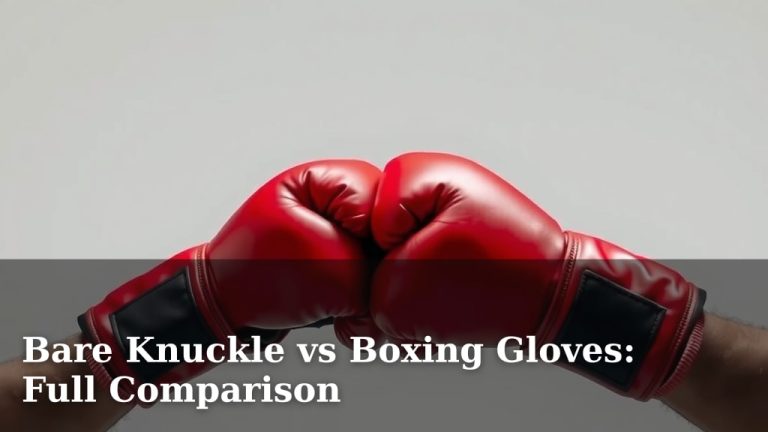
Boxing gloves feature a closed-fist design. Your fingers are fully enclosed within the glove. This offers complete protection for your fingers and knuckles. The design encourages a proper punching form, keeping your wrist straight and your knuckles aligned. This is essential for both power and injury prevention in boxing. The thumb is often attached or has a small strap to prevent it from bending backward awkwardly during a punch.
The MMA Glove: Versatility in Hand
MMA gloves are characterized by their open-palm design. Your fingers are exposed, allowing for a firm grip. This is vital for grappling, clinching, and executing submission holds. You can easily grab your opponent’s limbs or body. While your fingers are out, the gloves still have a padded section over the knuckles to protect them during strikes. The thumb is typically exposed as well, further aiding in grip and control. We found that this open design is a hallmark of MMA gear.
| Feature | Boxing Gloves | MMA Gloves |
|---|---|---|
| Padding | Heavier, more concentrated on knuckles and back of hand | Lighter, focused on knuckle protection but less overall |
| Fist Design | Closed fist, fingers fully enclosed | Open palm, fingers exposed for grip |
| Primary Use | Punching, striking, hand protection | Striking, grappling, clinching, submissions |
| Wrist Support | Generally more structured and supportive | Can vary, often less rigid |
| Dexterity | Limited due to full enclosure | High, allows for grip and fine motor control |
Wrist Support: Stability for Your Strikes
When you throw a punch, your wrist is under a lot of stress. Both types of gloves offer some wrist support, but there’s a difference in emphasis.
Boxing Glove Wrist Support: Maximum Stability
Boxing gloves typically offer more substantial wrist support. They often feature longer cuffs and a more rigid fastening system, usually Velcro. This helps to keep your wrist straight and aligned during powerful punches. Preventing wrist hyperextension is a major goal. Many boxing coaches say this extra support is key to avoiding sprains and fractures in a sport focused solely on striking. We found that this support is a defining characteristic.
MMA Glove Wrist Support: Balanced Approach
MMA gloves also provide wrist support, but it’s often less rigid. The focus is on allowing for a full range of motion, which is necessary for grappling. While they have Velcro closures, the cuffs might be shorter. This balances the need for stability with the requirement for flexibility. Some MMA gloves aim for a snug fit that inherently supports the wrist without being overly restrictive. Experts suggest this compromise is essential for MMA athletes.
Which Glove is Right for Your Training?
So, how do you decide which glove is best for you? It entirely depends on your training goals and the martial art you practice. Don’t wear boxing gloves for an MMA class, and vice-versa. It’s not just about comfort; it’s about safety and effectiveness.
- If you’re training exclusively in boxing, stick with boxing gloves.
- If your training involves wrestling, Jiu-Jitsu, or other grappling arts, MMA gloves are the way to go.
- For mixed martial arts training, MMA gloves are essential.
- For pure striking drills where maximum hand protection is needed, heavier boxing gloves might be preferable.
- If you’re considering a switch between disciplines, be aware of the glove requirements.
Ultimately, the right glove ensures you train safely and effectively. It protects your hands and helps you perform at your best. We found that understanding these key differences is the first step in making the correct choice for your martial arts journey.
Conclusion
You’ve now seen how boxing gloves and MMA gloves are built for very different purposes. Boxing gloves offer maximum padding and wrist support for powerful striking. MMA gloves provide an open palm for grappling and striking versatility. Your choice really hinges on your specific training. Don’t mix them up – use the right glove for the right discipline. To get the most out of your training and stay safe, make sure you’re equipping yourself with the appropriate gear. Next time you’re shopping, you’ll know exactly what to look for to protect your hands and improve your performance.
Frequently Asked Questions
Can I use boxing gloves for MMA training?
It’s generally not recommended. Boxing gloves lack the open palm needed for grappling, and their extra padding can hinder certain movements. While they offer great hand protection for striking, they aren’t designed for the diverse demands of MMA training. You might find yourself restricted and less effective in grappling situations.
Can I use MMA gloves for boxing?
You can use MMA gloves for some boxing drills, but they won’t offer the same level of protection as dedicated boxing gloves. The reduced padding means your hands absorb more impact, and the open-palm design isn’t ideal for maintaining proper fist form during extended punching. For serious boxing training, boxing gloves are always the better choice.
Are MMA gloves safe for my wrists?
MMA gloves do offer wrist support, but it can vary. They aim for a balance between support and flexibility needed for grappling. While they help stabilize your wrist during strikes, they might not be as rigid as boxing gloves. Always ensure your MMA gloves fit snugly and provide adequate support for your training.
What weight should my boxing or MMA gloves be?
For boxing, training gloves typically range from 10 to 16 ounces, with heavier gloves offering more padding and protection for sparring. Competition boxing gloves can be lighter. For MMA, competition gloves are usually around 4 ounces, designed for less padding and more feel, while training MMA gloves might be slightly heavier for added protection.
Will MMA gloves make my punches weaker?
Punches thrown with MMA gloves might feel like they carry more force to the opponent because there’s less padding to absorb the impact compared to boxing gloves. However, your actual punching power generation comes from technique, not just the glove. The reduced padding in MMA gloves is a design choice for versatility, not necessarily to make your punches weaker overall.