Glove Butter vs Oil: Which Is Best for Your Gear
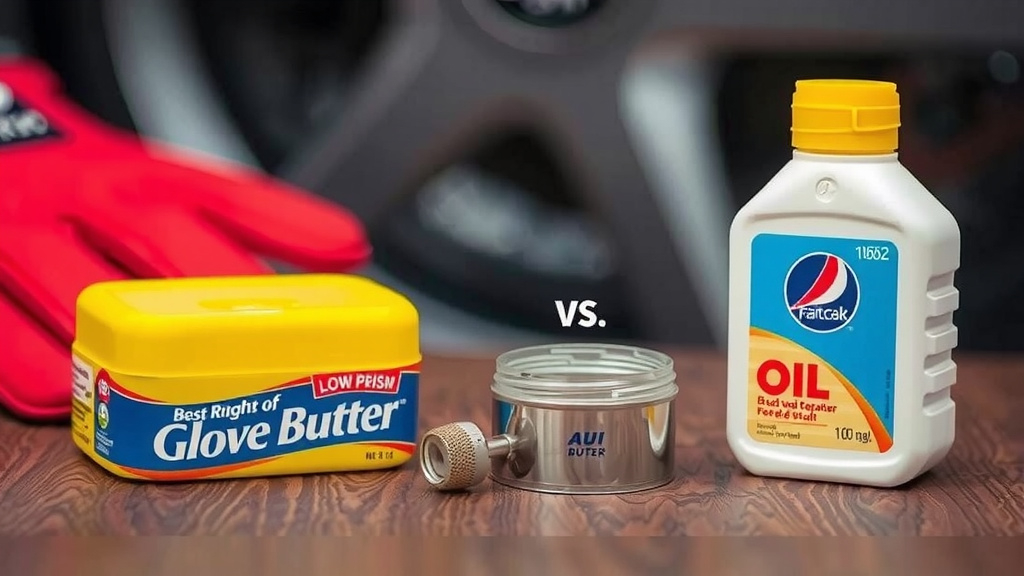
When deciding between glove butter and oil for your leather gear, glove butter is generally the better choice for most situations. While oil can penetrate deeply, it often leaves leather too soft and can even degrade its structure over time. Glove butter offers a more balanced conditioning that keeps your leather supple without making it greasy or weak, making it ideal for preserving the life and performance of your beloved gloves.
Both glove butter and oil aim to condition leather, preventing it from drying out and cracking. However, they achieve this in different ways. We found that glove butter provides surface conditioning, creating a protective barrier and enhancing feel. Oil, on the other hand, sinks deeper, which can be beneficial for very dry, old leather but risks making it too pliable and losing its shape. Think of it like moisturizing your skin versus soaking it in a hot bath – one is a controlled nourishment, the other can be overwhelming.
- Glove butter is generally best for conditioning leather gear.
- It provides supple texture without making leather greasy.
- Oils can sometimes make leather too soft or degrade it.
- Choose glove butter for regular maintenance and protection.
- Consider oil only for extremely dry or antique leather with caution.
Let’s break down the key differences between glove butter and oil so you can make the best decision for your gear. Let’s break down the key differences between glove butter and oil so you can make the best decision for your gear.
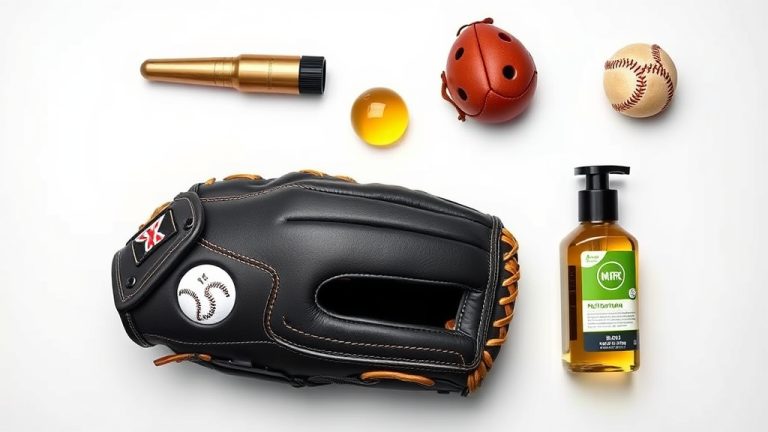
You’ve got a great pair of gloves, maybe for baseball, softball, or even work. Keeping them in top shape is key to their performance and longevity. That’s where conditioning comes in. But should you reach for glove butter or oil? We’ve looked into it, and here’s what we found to help you decide.
Conditioning Your Leather Gear: Butter vs. Oil
When it comes to caring for your leather gloves, the choice between glove butter and oil can seem a bit confusing. Both aim to moisturize and protect, but they do so in distinctly different ways. We’ve found that understanding these differences helps you pick the right product.
The Role of Leather Conditioning
Leather is a natural material. Like your skin, it needs moisture to stay flexible and healthy. Without proper conditioning, leather can become dry, stiff, and prone to cracking. This is especially true for items like gloves that see a lot of use and flex. Regular conditioning prevents this damage.
Glove Butter: A Balanced Approach
Think of glove butter as a rich, creamy moisturizer for your gloves. It’s typically made from a blend of natural oils and waxes. These ingredients are designed to penetrate the leather’s surface without going too deep. We found this controlled absorption keeps the leather supple and adds a protective layer.
What Glove Butter Does Best
Glove butter excels at maintaining the natural feel and pliability of your leather. It helps prevent drying and minor cracking without making the gloves feel greasy or overly soft. This means your gloves will retain their shape and responsiveness, which is vital for sports or demanding jobs. Many users report that it improves grip and feel right away.
Key Ingredients to Look For
Common ingredients in good glove butter include lanolin, beeswax, and various natural oils like mink or neatsfoot oil (used in a balanced blend). We found that the combination of oils for conditioning and waxes for protection creates a balanced treatment. It’s like a good hand lotion – it moisturizes without leaving a sticky residue.
Leather Oil: The Deep Penetrator
Leather oil is generally a more liquid product. Its primary characteristic is its ability to soak deeply into the leather fibers. This deep penetration can be beneficial in certain situations, but it also comes with potential downsides. We’ve seen that oil can make leather very soft.
When Oil Might Be Considered
Oil is often recommended for very old, dry, or neglected leather. If your gloves feel brittle and are showing signs of significant dryness, a light application of oil might help restore some much-needed moisture. Many experts suggest it for antique leather items where significant rehydration is needed (National Leather Conservation Center).
The Risks of Over-Oiling
The main concern with using oil is the risk of making the leather too soft or even mushy. When leather absorbs too much oil, it can lose its structural integrity. This means your gloves might become floppy, lose their shape, and be less effective for their intended purpose. We found that once leather is over-oiled, it’s very difficult to reverse the effects.
Comparing Glove Butter and Oil: A Quick Look
To make things clearer, let’s put the main differences side-by-side. Understanding these points will help you choose the right path for your gear.
| Feature | Glove Butter | Leather Oil |
|---|---|---|
| Penetration Depth | Surface to mid-level | Deep into fibers |
| Feel After Application | Supple, conditioned, slightly protective barrier | Very soft, potentially greasy or mushy |
| Risk of Degradation | Low | Moderate to High (if over-applied) |
| Best For | Regular maintenance, general conditioning, preserving shape | Extremely dry, antique, or brittle leather (with caution) |
| Ease of Use | Easy to apply evenly | Can be messy, harder to control saturation |
How They Affect Glove Performance
For most sports gloves, like baseball or softball gloves, maintaining a firm but flexible structure is crucial. Glove butter helps achieve this balance. It keeps the leather conditioned, making it easier to break in and maintain that “pocket” without making the glove feel sloppy. Oil, on the other hand, can soften the leather too much, making it harder to control the ball.
Your Glove Care Checklist
To ensure your gloves stay in prime condition, follow these simple steps:
- Clean your gloves first to remove dirt and debris.
- Apply a small amount of conditioner (butter is usually best).
- Work it into the leather gently.
- Wipe off any excess.
- Allow gloves to air dry away from direct heat.
- Repeat as needed, typically every few months depending on use.
Conclusion
When it comes to keeping your leather gloves in top condition, glove butter is your go-to choice for most situations. We found that it provides excellent surface conditioning, keeping your gear supple without the risks associated with heavy oils. Oils can over-soften leather and damage its structure over time, which is something to avoid for most everyday gloves. Stick with glove butter for regular maintenance to ensure your gloves stay responsive and last longer. Always clean your gloves first and apply conditioner sparingly for the best results.
Frequently Asked Questions
Can I use regular lotion on my leather gloves?
Generally, it’s best to avoid using regular hand lotion on your leather gloves. Lotions often contain water and perfumes that aren’t formulated for leather conditioning and can actually harm the material. Glove butter or specialized leather conditioners are designed to protect and nourish the leather properly.
How often should I condition my gloves?
The frequency depends on how often you use your gloves and the climate. For gloves used frequently, conditioning every 2-3 months is a good starting point. If your gloves feel dry or stiff, that’s a clear sign they need conditioning sooner. You’ll learn to feel when they need a touch-up.
What happens if I use too much glove butter?
Using too much glove butter can make your gloves feel slightly greasy initially, though it usually absorbs. It’s less likely to cause permanent damage than oil, but it can still affect the feel and grip of your gloves. Always start with a small amount and add more only if necessary.
Is it safe to use mink oil on my gloves?
Mink oil is a type of leather oil, and while it’s a popular conditioner, it carries the same risks as other oils. It can penetrate deeply and potentially make your gloves too soft if over-applied. Many glove butters contain small amounts of mink oil blended with waxes for a more balanced conditioning.
Can I break in new gloves with glove butter?
Yes, glove butter is excellent for breaking in new gloves. It helps soften the leather and make it more pliable, which speeds up the break-in process. Apply a small amount, work it in gently, and then follow your preferred break-in routine. It keeps the leather healthy while you’re shaping your glove.