Blue vs Black Nitrile Gloves: Which to Use?
When deciding between blue and black nitrile gloves, black nitrile gloves are generally a better choice for professionals who need to hide stains. Both glove types offer excellent protection and durability, but the darker color of black nitrile makes them ideal for environments where appearance matters, like automotive or tattoo shops. Blue nitrile gloves are still a fantastic option, often preferred in healthcare for their visibility against skin.
The primary difference between blue and black nitrile gloves comes down to aesthetics and visibility. Both are made from synthetic rubber, offering a strong alternative to latex for those with allergies. Many professionals have found that the color choice can impact their work environment and perceived professionalism. Choosing the right color often depends on your specific industry and personal preference.
- The main difference is color: blue for visibility, black for hiding stains.
- Both blue and black nitrile gloves offer strong protection.
- Black gloves are great for industries like automotive or tattooing.
- Blue gloves are common in healthcare settings.
- Nitrile gloves are a good choice for latex allergies.
Let’s dive into the specifics of why you might pick one color over the other. We’ll break down the pros and cons of each so you can make the best decision for your needs.
You’ve seen them everywhere, right? Those blue gloves in hospitals, or maybe you’ve noticed mechanics sporting black ones. But is there really a difference beyond the color? You might be wondering if one offers better protection or if it’s just about looks. We’re here to clear things up and help you decide which nitrile glove color is best for your specific needs.
Nitrile Gloves: Color and Your Work Environment
Choosing between blue and black nitrile gloves often comes down to the environment you’re working in and the impression you want to make. Both are excellent choices for protection and durability, but their color can subtly influence perception and practicality.
Understanding Nitrile: The Material Matters
Before we get into the color debate, let’s quickly touch on what makes nitrile gloves so popular. Nitrile is a synthetic rubber. This means they are a fantastic option for people with latex allergies. Unlike latex, nitrile doesn’t contain the proteins that can cause allergic reactions. You get that great flexibility and strength without the itchiness or hives. Plus, research shows nitrile offers excellent resistance to a wide range of chemicals, which is a big win for many professions (CDC).
Protection Beyond Color
It’s important to remember that the color of the glove does not affect its protective qualities. Whether blue or black, nitrile gloves provide a strong barrier against many substances. The thickness and quality of the nitrile material are what truly determine its resistance to punctures and chemicals, not its dye.
The Case for Blue Nitrile Gloves
Blue nitrile gloves are a familiar sight in many settings. Why blue? There are a couple of good reasons.
Visibility and Safety in Healthcare
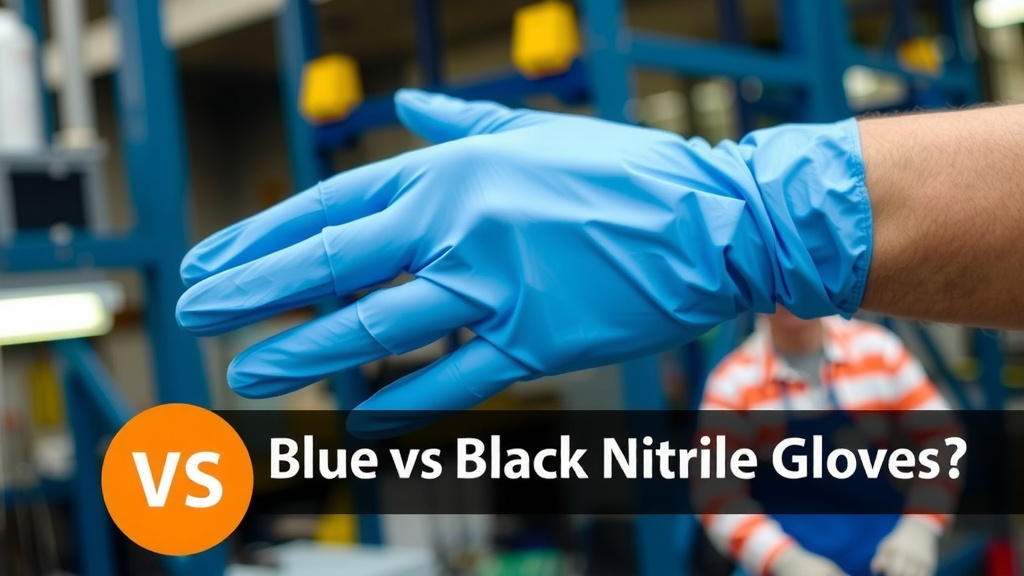
In healthcare, especially, blue is often the go-to color. Why? It’s about visibility. Healthcare professionals need to see their hands clearly, and blue gloves stand out against skin tones. This helps them quickly spot any potential tears or contamination. Imagine a surgeon trying to work if their glove color blended in. That’s why many medical facilities prefer blue. It’s a practical safety measure that aids in maintaining sterile fields and detecting breaches in protection.
Standardization and Recognition
Over time, blue has become a sort of industry standard in healthcare. This means when you see blue gloves, you automatically associate them with medical settings and the level of care expected there. It’s a visual cue that helps reinforce the professional atmosphere. This consistency can be reassuring for patients and staff alike.
The Appeal of Black Nitrile Gloves
Black nitrile gloves have gained popularity, especially in industries where appearance and cleanliness are constantly being judged.
Hiding Stains and Grime
Let’s be honest, some jobs are messy. Think auto mechanics working on engines or tattoo artists dealing with ink. In these environments, stains are inevitable. Black gloves excel at hiding grease, ink, oil, and other substances. This can make your hands look cleaner for longer, contributing to a more professional and hygienic appearance. You won’t have to worry as much about showing off every smudge and smear throughout the day.
Professional Aesthetics
Beyond just hiding stains, black gloves often convey a sense of ruggedness or a sleek, modern aesthetic. Many professionals find they simply look more professional or even cooler in black. This is particularly true in fields like automotive repair, tattooing, barbering, and even some food service industries where a certain look is desired. It’s a way to match your gloves to your work environment or personal style.
Reduced Visibility of Blood and Bodily Fluids
For some professions that deal with potential exposure to blood or bodily fluids, black can be preferred as it doesn’t highlight these substances. While both blue and black gloves provide the same barrier, the visual aspect of a dark glove can be less jarring for the wearer and potentially for clients or patients who might see the gloves. This is a personal preference, but it’s a factor many consider.
Comparing Blue and Black Nitrile Gloves
To make your decision easier, let’s summarize the key differences and similarities. Think of it as a quick reference guide.
| Feature | Blue Nitrile Gloves | Black Nitrile Gloves |
|---|---|---|
| Primary Benefit | High visibility against skin; industry standard in healthcare. | Hides stains, grime, and fluids; offers a sleek aesthetic. |
| Common Industries | Healthcare, dental, food service (where high visibility is key). | Automotive, tattooing, barbering, industrial, mechanics. |
| Visibility | Excellent. Easy to spot tears or contamination. | Lower visibility for stains; may make it harder to spot minor tears. |
| Aesthetics | Clean, clinical, professional in healthcare. | Modern, rugged, sophisticated in industrial/personal services. |
| Protection | Excellent chemical and puncture resistance. | Excellent chemical and puncture resistance. |
| Latex Allergy Friendly | Yes | Yes |
Material Quality is King
No matter which color you choose, always check the glove’s specifications. Look for gloves that meet certain standards, such as those set by ASTM International. Higher mil thickness generally means better durability. We found that reading reviews can also give you a good idea of how well a particular brand or color holds up in real-world conditions.
Making Your Choice: A Quick Checklist
Still on the fence? Ask yourself these questions to help guide your decision:
- Does my industry require high visibility for safety?
- Will my gloves frequently come into contact with grease, ink, or other staining materials?
- Is a specific aesthetic important for my business or personal brand?
- Do I need to easily spot any potential tears or punctures throughout the day?
- Am I concerned about the visual appearance of stains on my gloves?
- Is there an industry standard color I should be following?
Ultimately, both blue and black nitrile gloves offer excellent protection. Your choice will likely hinge on the practicalities and desired appearance within your specific work setting. We’ve found that many professionals simply try both to see which color feels and looks best for their daily tasks.
Conclusion
You’ve seen the differences between blue and black nitrile gloves. While both offer excellent protection and are great for latex allergies, the color choice really comes down to your work environment and preferences. Blue gloves offer superior visibility, making them a smart safety choice in healthcare. Black gloves, on the other hand, are fantastic for hiding stains and offer a sleeker aesthetic for trades like automotive or tattooing. Consider your daily tasks and the impression you want to make. Why not try out a box of each? You might find one color just feels and performs better for your unique needs.
Frequently Asked Questions
Can I use black nitrile gloves for medical purposes?
While black nitrile gloves offer the same protective barrier as blue ones, they are generally not preferred in healthcare settings. The lack of contrast against skin can make it harder for medical professionals to spot tears or contamination quickly, which is a vital safety concern.
Do black nitrile gloves offer less protection than blue ones?
No, the color of the nitrile glove does not affect its protective qualities. Both blue and black nitrile gloves provide excellent resistance to punctures and chemicals. The actual protection level depends on the thickness and quality of the nitrile material itself, not the dye.
Are black nitrile gloves more expensive than blue ones?
Generally, the price difference between blue and black nitrile gloves is minimal. While market fluctuations can occur, you shouldn’t expect a significant cost increase for black gloves. Focus on the quality and thickness of the material when comparing prices.
Which color nitrile glove is better for food service?
For food service, blue nitrile gloves are often preferred. Their high visibility makes it easier for inspectors and staff to spot if a glove has torn or become contaminated. This visibility is crucial for maintaining food safety standards and preventing accidental contamination of food items.
What if I have a latex allergy but also want gloves that look professional?
You’re in luck! Both blue and black nitrile gloves are excellent, latex-free alternatives. If you prioritize a professional aesthetic for your business, black nitrile gloves can offer a sleek look, especially in fields like barbering or automotive repair, while still providing the protection you need.