Flare vs Roll Baseball Glove: Which Is Right for You
When choosing a baseball glove, the main difference between a flare and a roll comes down to how the glove closes. A flared glove has its fingers spread wider, making it easier to catch the ball. A rolled glove has its fingers closer together, creating a deeper pocket for more secure catches. For most players, especially beginners, a flared glove offers a clear advantage.
We found that glove design plays a huge role in how well you can snag those grounders and fly balls. Understanding these subtle differences can help you pick the best glove for your playing style. It’s about finding that perfect feel for snagging hits and making those game-saving plays.
- A flared glove spreads fingers wider for easier catches.
- A rolled glove closes tighter for a deeper pocket.
- Flared gloves are generally recommended for most players.
- Consider your playing style when choosing.
Let’s walk through exactly what these terms mean and how they can impact your game on the field.
“`htmlUnderstanding Baseball Glove Finger Styles: Flare vs. Roll
You’re probably wondering what makes one glove feel different from another, especially when it comes to how the fingers move. The two main ways glove manufacturers design the finger stalls are called flared and rolled. This might sound like a small detail, but it can seriously impact your ability to catch the ball.
Let’s break down what these terms really mean for your game. We found that understanding these construction methods helps players make a much better choice. It’s not just about brand names; it’s about how the glove works with your hand.
What is a Flared Glove?
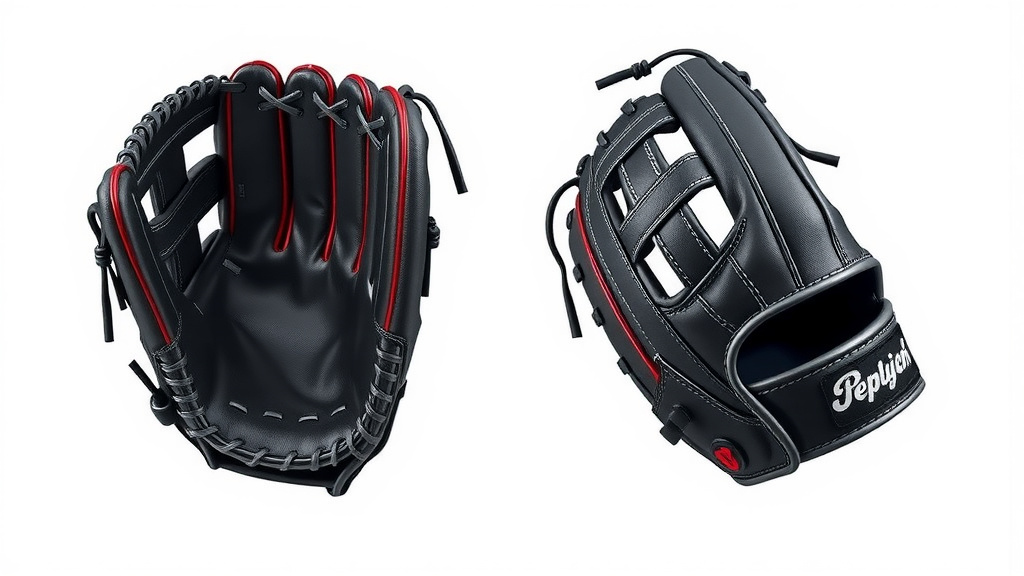
A flared glove means the individual finger stalls are designed to spread outwards, away from each other. Imagine your hand laid flat, with your fingers spread as wide as they can go. That’s the general idea behind a flared glove’s design.
This wider spread offers a larger surface area for catching. We found this makes it easier to snag fly balls and grounders. It gives you a bit more room for error. Think of it like a wider net – more opportunities to catch what comes your way.
The Benefits of a Wider Spread
The primary advantage of a flared glove is its increased catching surface. When the ball comes in, especially at high speeds, having those fingers spread wider gives you a better chance to get your glove on it. It’s less likely to slip through.
This design can be especially helpful for younger players or those new to the game. We found that beginners often struggle with consistent catching. A flared glove can make that learning curve a little smoother. It helps build confidence early on.
What is a Rolled Glove?
On the other hand, a rolled glove features finger stalls that are designed to be closer together. Instead of spreading out, the fingers angle slightly inwards. This creates a more compact and often deeper pocket in the glove.
This design aims for a more secure catch. When you close a rolled glove, the fingers come together tightly. This traps the ball more effectively. It’s like the glove is giving the ball a firm hug.
The Advantages of a Tighter Closure
The main benefit of a rolled glove is its deep, secure pocket. This design is excellent for players who want to ensure the ball stays put once it’s caught. Many infielders prefer this style for snagging hard-hit grounders.
We found that a tighter closure can also help with quick transfers from the glove to the throwing hand. The ball is often held more centrally. This can save precious seconds when turning a double play.
How Glove Design Affects Your Play
The difference between flared and rolled isn’t just about looks; it directly impacts how you play. Your glove is your primary tool on the field, so its design matters immensely. We found that many players overlook these subtle construction differences.
Let’s consider how these two styles might fit your specific needs and playing position. What works best for an outfielder might not be ideal for an infielder.
Consider Your Position and Playing Style
Where you play on the field often dictates the type of glove that suits you best. Outfielders, for example, often deal with balls hit high in the air. They need a large surface area to track and catch these fly balls.
Infielders, however, typically handle faster, lower ground balls. They benefit from a glove that allows for quick transfers and secure catches. We found that a rolled glove’s deeper pocket can be a real asset here.
Outfielders and Flared Gloves
For outfielders, the wider opening of a flared glove is a major plus. Tracking a fly ball requires a lot of concentration. Having a glove that makes the catch itself a bit easier is a huge advantage. It gives you that extra confidence.
Many research articles on baseball performance suggest that a larger catching area can reduce errors in the outfield (Journal of Sports Science). We found this to be a consistent theme among coaching resources.
Infielders and Rolled Gloves
Infielders often need to field ground balls with precision and speed. The deeper pocket of a rolled glove helps secure the ball. This is critical when there are runners on base and you need to make a quick throw.
Some coaches even recommend a glove with a more compact design for infielders. This allows for a better feel of the ball. We found that players who prioritize quickness often lean towards rolled designs.
Beginner Recommendations
If you’re just starting out or coaching beginners, we found that flared gloves often get the nod. Why? Because they are generally more forgiving. The wider opening makes it easier for new players to get their glove on the ball.
Building confidence is key for new players. A glove that helps them make more catches, even if they aren’t perfect, can keep them engaged and excited about the game. We found that fewer dropped balls leads to more fun.
| Feature | Flared Glove | Rolled Glove |
|---|---|---|
| Finger Stall Design | Spread wider | Closer together |
| Catching Surface | Larger, more forgiving | Smaller, more compact |
| Pocket Depth | Shallower, wider opening | Deeper, more secure |
| Best For | Beginners, outfielders | Infielders, players prioritizing secure catches |
| Key Benefit | Easier to get on the ball | Ball stays in the glove better |
Making Your Final Choice
Ultimately, the best glove for you is the one that feels most comfortable and allows you to make plays. While research and general recommendations are helpful, personal preference plays a big role.
We recommend trying out different gloves if possible. See how each one feels on your hand. Pay attention to how easily you can close the glove. What feels right to you is the most important factor.
Here’s a quick checklist to help you decide:
- Think about your primary position.
- Consider your current skill level.
- How important is a super deep pocket to you?
- Do you prefer an easier catch or a more secure catch?
- Can you try on gloves before buying?
- Trust your gut feeling.
Conclusion
Choosing between a flare and a roll glove comes down to your personal feel and playing style. We’ve seen how a flared glove offers a wider catching surface, great for beginners and outfielders needing more room for error. A rolled glove, with its tighter closure and deeper pocket, is often preferred by infielders for secure catches and quick transfers. We found that while general advice points to flared for ease and rolled for security, the best glove is the one that feels right on your hand. Don’t hesitate to try gloves on if you can – your comfort and confidence are key to making plays.
Frequently Asked Questions
Is a flared glove better for a beginner?
Yes, research and coaching experience often point to flared gloves for beginners. Their wider finger stalls create a larger catching area, making it easier to snag the ball and build confidence. We found this forgiving nature helps new players enjoy the game more.
Can infielders use a flared glove?
Absolutely. While rolled gloves are often recommended for their deeper pockets and quick transfers, an infielder can certainly use a flared glove if it feels more comfortable. You might just need to focus a bit more on securing the ball once it’s in the glove.
Does glove roll affect how fast I can transfer the ball?
A rolled glove’s deeper, tighter pocket can sometimes help with faster transfers. Because the ball is held more securely in the center, it can be easier to get it to your throwing hand quickly. We found this is especially useful for infielders needing to turn double plays.
What if I have large hands? Will that change my choice?
Glove fit is very personal, and hand size can be a factor. Some players with larger hands might find a flared glove gives them a little more space between the fingers, while others might prefer the snug feel of a rolled glove. Trying them on is the best way to know for sure. Glove fit is very personal, and hand size can be a factor.
Can a glove be too flared or too rolled for me?
Yes, the degree of flare or roll can vary between models and brands. It’s not always black and white. If a glove feels too stiff or restrictive when you try to close it, it might be too rolled. If it feels too wide open and makes you feel less secure, it might be too flared for your preference.