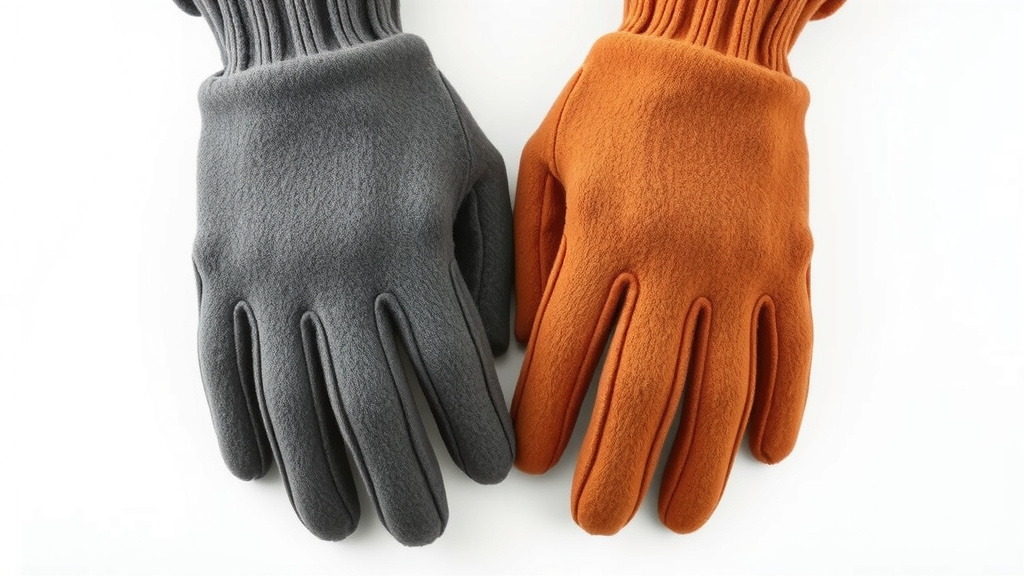
Fleece vs Wool Gloves: Which Keeps Your Hands Warmest
When choosing between fleece and wool gloves, wool generally offers superior warmth and water resistance, making it a better choice for very cold or wet conditions. Fleece, on the other hand, is lighter, more breathable, and dries faster, which is great for milder weather or high-activity pursuits where you might sweat.
Both materials have their own unique strengths when it comes to hand protection. Understanding these differences will help you pick the perfect pair for your needs. We found that the best glove depends heavily on what you’ll be doing and the temperatures you’ll face. Think about your activities to make the right choice for comfort and warmth.
- Wool is warmer and more water-resistant than fleece.
- Fleece is lighter, more breathable, and dries faster.
- Wool is better for extreme cold and wet conditions.
- Fleece excels in milder weather and active use.
- Your activity level and expected weather should guide your choice.
Let’s break down the pros and cons of fleece versus wool gloves so you can decide which is the best fit for your hands.
Fleece vs. Wool Gloves: Deciding Your Best Bet
Choosing the right gloves can feel like a big decision. You want warm hands, right? But what kind of warmth do you really need? We’ve looked into how fleece and wool gloves stack up. Our research shows that while both keep your hands cozy, they do it in different ways.
Think about your favorite outdoor activities. Are you hiking in the mountains or just walking the dog on a chilly morning? This difference matters. We found that understanding the core qualities of each material helps a lot.
Understanding Fleece Gloves
Fleece gloves are like your favorite comfy sweatshirt for your hands. They are often made from polyester, a synthetic material. This makes them lightweight and very soft to the touch. You’ll find they feel great right away.
The Advantages of Fleece
One big plus for fleece is its breathability. This means air can pass through, which is great if you tend to sweat. If you’re active, like running or brisk walking, this is a key benefit. It helps keep your hands from getting clammy.
Fleece also tends to dry very quickly. If your gloves get a little damp, maybe from a light sprinkle or sweat, they won’t stay wet for long. This is a huge advantage when you need your gloves to be ready again soon.
Another point is that fleece gloves are often more affordable than wool ones. They are also very easy to care for. You can usually just toss them in the washing machine.
When Fleece Might Not Be Enough
While great for many situations, fleece isn’t the warmest option. In very cold temperatures, it might not provide enough insulation. It’s also not naturally water-repellent. If you’re in heavy rain or snow, fleece can soak through.
We found that fleece can sometimes pill or wear out faster than wool, especially with heavy use. It’s still a solid choice, but perhaps not for extreme conditions.
Exploring the World of Wool Gloves
Wool gloves are a classic for a reason. They are made from the natural fibers of sheep, or sometimes other animals like cashmere or alpaca. This natural origin gives wool some special properties.
Why Wool Shines
Wool’s biggest superpower is its incredible warmth. Even when it’s damp, wool fibers can still trap air, keeping your hands toasty. Many experts say wool provides excellent insulation, even in very low temperatures (NCBI).
Wool is also naturally water-resistant. It can absorb a good amount of moisture before it starts to feel wet. This is a big difference from fleece. If you’re out in a wet environment, wool can offer better protection.
Another benefit is that wool is odor-resistant. It naturally wicks away moisture, which helps prevent bacteria from building up. This means your wool gloves can go longer between washes.
Things to Consider with Wool
Wool can sometimes feel a bit scratchy, depending on the type of wool. Merino wool is a popular choice because it’s much softer and less itchy. You might need to pay a bit more for softer wool options.
Wool gloves also tend to be more expensive than fleece. They can also take longer to dry if they do get thoroughly wet. And, while durable, they often require more careful washing to maintain their shape and softness.

Direct Comparison: Fleece vs. Wool
To make it easy, let’s put them side-by-side. We found that the choice often comes down to a few key factors: temperature, activity level, and how wet things might get.
| Feature | Fleece Gloves | Wool Gloves |
|---|---|---|
| Warmth | Good for cool to mild temps | Excellent for cold to very cold temps |
| Breathability | High | Moderate |
| Water Resistance | Low; soaks easily | Good; absorbs moisture without feeling wet |
| Drying Speed | Fast | Slow |
| Cost | Generally lower | Generally higher |
| Comfort | Soft, light, flexible | Can be soft or slightly scratchy, denser feel |
| Care | Machine washable | Often hand-wash or delicate cycle |
Which is Better for What?
If you’re looking for gloves for a quick walk on a crisp autumn day, fleece is probably perfect. They’re light and comfortable. They won’t make your hands overheat.
For serious winter hiking or a day out in snowy weather, wool is likely your winner. Its superior warmth and water resistance are hard to beat. Imagine building a snowman – wool keeps your hands drier and warmer longer.
If you’re a runner who gets out in cooler weather, fleece might be the way to go. Its breathability keeps you from getting too sweaty. You want to avoid that clammy feeling when you’re moving.
Planning a trip to a very cold climate? Think about high-quality wool. It offers insulation that fleece often can’t match when temperatures really drop. It’s like having a cozy hug for your hands.
Making Your Final Choice: A Quick Checklist
To wrap things up, consider these points when you decide:
- What’s the weather forecast? Cold and wet, or just a bit chilly?
- How active will you be? Lots of movement means you need breathability.
- How much do you want to spend? Fleece is usually kinder to your wallet.
- How important is fast drying? Will you need them again quickly?
- Do you prefer natural or synthetic? Wool is natural, fleece is synthetic.
- Any skin sensitivities? If wool feels itchy, look for soft merino wool or stick with fleece.
Conclusion
Deciding between fleece and wool gloves boils down to your specific needs. If you prioritize lightweight comfort and quick drying for active days or milder weather, fleece is your go-to. For serious warmth and protection against the cold and damp, wool stands out as the superior choice. Consider your typical activities and the conditions you’ll face. Your hands will thank you for making an informed choice that keeps them perfectly comfortable, no matter the adventure.
Frequently Asked Questions
Can I wear wool gloves for running?
Generally, fleece is better for running because it’s more breathable. This helps manage sweat and prevents your hands from getting clammy. Wool can still work for cooler runs, but it might feel warmer than you need and take longer to dry if you sweat a lot.
How do I wash wool gloves to keep them soft?
To keep wool gloves soft, it’s best to hand wash them in cool water with a mild detergent made for wool. Gently squeeze out excess water, and then reshape them and lay them flat to dry. Avoid wringing or machine drying, which can shrink or damage the fibers.
Are fleece gloves warm enough for light snow?
Fleece gloves can handle very light snow or brief exposure to dampness. However, they aren’t naturally water-resistant and can soak through quickly. For anything more than a light dusting, you might want to consider wool or waterproof-treated gloves.
Which type of glove is better for someone with sensitive skin?
If you have sensitive skin that reacts to scratchy textures, fleece is often a safer bet. If you prefer the warmth of wool, look for gloves made from super-fine merino wool. Merino wool is known for its softness and is much less likely to cause irritation.
Can I find wool gloves that are as breathable as fleece?
While wool is naturally breathable to some extent, it typically won’t match the high breathability of fleece. Fleece’s synthetic construction allows for excellent airflow. If you need very high breathability, fleece is usually the better option, especially for high-intensity activities.