12 oz Gloves vs 14 oz: Which Is Best for Training?
When you’re standing in front of a boxing equipment display or scrolling through online gear shops, the choice between 12 oz and 14 oz gloves can feel overwhelming. You might wonder: does a couple of ounces really make that much difference? The honest answer is yes, and the distinction matters more than you’d think. Your training goals, hand size, and fighting style all play crucial roles in determining which weight will serve you best. Let me walk you through everything you need to know to make an informed decision that’ll elevate your training experience.
Understanding Boxing Glove Weight Standards
Boxing gloves aren’t just random pieces of equipment with arbitrary numbers stamped on them. The weight measurement refers to the total mass of a single glove, measured in ounces. This seems straightforward enough, but here’s where it gets interesting: the weight distribution and padding thickness can vary significantly between manufacturers, even when they claim the same ounce rating.
Think of glove weight like clothing sizes—a medium shirt from one brand might fit differently than a medium from another. The same principle applies to boxing gloves. Two different companies’ 14 oz gloves might feel distinctly different when you’re throwing combinations because the padding composition and construction methods differ.
The Historical Context of Glove Weights
Boxing has evolved over decades, and so have glove standards. Professional boxing organizations established minimum weight requirements to ensure athlete safety while maintaining the sport’s competitive integrity. Amateur boxing followed suit with its own regulations. These standards exist because heavier gloves generally provide more cushioning and protection, which directly impacts injury prevention during intense training sessions.
12 oz Gloves: The Lightweight Champion
Twelve ounce gloves represent the lighter end of the spectrum for serious training. They’re the choice for fighters who want to maximize speed, develop quicker reflexes, and feel more connected to their opponent or heavy bag. If you’ve ever wondered why professional boxers sometimes train with lighter gloves, now you understand the reasoning.
Advantages of 12 oz Gloves
- Enhanced Speed and Agility: The reduced weight means less inertia when throwing punches. Your hands move faster, allowing you to develop quicker combinations and sharper reflexes. This translates directly into faster footwork drills and snappier hand speed training.
- Improved Hand-to-Glove Feedback: You’ll feel your strikes more distinctly because there’s less padding between your fist and the impact surface. This heightened feedback helps you understand your power generation and technique refinement better.
- Less Arm Fatigue: Training with lighter gloves means less weight stress on your shoulders, biceps, and forearms. Your arms won’t tire as quickly during extended rounds, allowing you to maintain form longer and pack more training volume into each session.
- Perfect for Speed Work: If your training focus is developing hand speed and reflexes, 12 oz gloves are your natural choice. They’re ideal for combination drills, speed bag work, and technical shadow boxing.
Disadvantages of 12 oz Gloves
Of course, lighter gloves come with tradeoffs. The reduced padding means less shock absorption, which increases stress on your hands, wrists, and knuckles. If you’re a beginner, this might not be ideal because your hands aren’t conditioned yet. Additionally, lighter gloves offer less protection for your sparring partner, which could be a concern if you’re regularly working with others.
Some gym environments actually prohibit 12 oz gloves for sparring specifically because of safety concerns. You’ll want to check your gym’s policies before investing in a pair.
14 oz Gloves: The Protective Standard
Fourteen ounce gloves sit in the sweet spot for many fighters. They provide more cushioning than their 12 oz cousins while remaining light enough to develop speed and power. Think of them as the Goldilocks option—not too heavy, not too light, just right for most training scenarios.
Advantages of 14 oz Gloves
- Superior Padding and Protection: The additional two ounces translate to more padding, which absorbs impact more effectively. Your hands experience less direct shock, reducing cumulative damage and injury risk. This is especially valuable during heavy bag work where you’re applying maximum force.
- Better for Sparring: Your training partner appreciates the extra cushioning. 14 oz gloves deliver enough padding to make sparring safer and more enjoyable for everyone involved. Gyms often recommend or require 14 oz gloves for partner work specifically for this reason.
- Suitable for Various Training Styles: Whether you’re focusing on power development, technical work, or cardiovascular conditioning, 14 oz gloves handle everything reasonably well. They’re versatile enough for multiple training approaches.
- Better for Beginners: If you’re just starting your boxing journey, 14 oz gloves are more forgiving on your hands and wrists. They allow your joints and connective tissues to acclimate to boxing’s demands while still providing a solid training experience.
- Reduced Hand Soreness: The extra padding means less post-training hand soreness and bruising. You can train more frequently without giving your hands excessive recovery time.
Disadvantages of 14 oz Gloves
The primary drawback is that the extra weight can slow your hand speed slightly, particularly if you’re coming from lighter glove training. Some experienced fighters feel the additional weight limits their ability to work on pure speed development. You might also experience slightly more arm fatigue during extended sessions, though the difference is minimal compared to much heavier gloves.
Comparing the Two Side by Side
Speed and Reflexes
Here’s the reality: the difference in speed between 12 oz and 14 oz gloves is noticeable but not dramatic. If you’re training seriously, you’ll adapt to either weight quickly. That said, if maximum hand speed development is your primary goal, 12 oz wins this round. But if you’re balancing speed work with overall effectiveness and safety, 14 oz offers better overall value.
Power Development
Interestingly, many coaches argue that heavier gloves actually build more power over time. The reasoning is straightforward: training with more resistance builds stronger stabilizer muscles and improves explosive force development. By this logic, 14 oz gloves might actually help you develop greater power, which translates to lighter glove performance when you wear 12 oz.
Hand and Wrist Health
This is where the difference becomes more meaningful. Twelve ounce gloves place greater demands on your hand structure. If you have a history of hand injuries, or if you’re prone to wrist discomfort, 14 oz gloves provide better long-term joint health. Think of it as an investment in your boxing longevity.
Training Purpose Suitability
Your training objective should heavily influence your choice. Training for speed drills, reaction work, and technical development? Go 12 oz. Training for power, conditioning, and general fitness while protecting your joints? Choose 14 oz. Serious about sparring? Definitely go 14 oz unless you’re in an advanced competition environment.
Factors That Influence Your Choice
Your Experience Level
Beginners benefit tremendously from 14 oz gloves because their hands aren’t yet conditioned for the impact stress of lighter gloves. Intermediate and advanced fighters have more flexibility and can choose based on their specific training goals. Complete novices should absolutely start with 14 oz or even 16 oz gloves while their joints adapt to boxing’s demands.
Your Hand Size and Body Weight
Larger individuals with bigger hands might find 12 oz gloves feel slightly awkward because the hand fills more of the glove’s interior space. Conversely, smaller fighters might find 14 oz gloves feel bulky. Hand size and body weight considerations aren’t dealbreakers, but they do affect comfort and feel. Visit a specialty boxing store and try both sizes if possible—comfort matters tremendously when you’re training regularly.
Your Training Environment
Check your gym’s requirements and recommendations. Some gyms have specific policies about glove weights for sparring. If you primarily train on heavy bags and speed bags alone, you have more freedom to choose lighter gloves. If you participate in regular sparring sessions, your gym environment might dictate 14 oz or heavier.
Your Long-term Boxing Goals
Are you boxing purely for fitness and stress relief? Are you preparing for amateur competition? Do you aspire to professional boxing? These goals shape your equipment choices. Someone boxing recreationally might prefer 14 oz for comfort and safety. Someone preparing for amateur competition might train with both weights depending on the training phase.
Injury History
Previous hand, wrist, or elbow injuries should factor into your decision. More padding generally means better protection and less stress on previously injured joints. If you’ve experienced boxing-related injuries, erring toward 14 oz makes sense.
Training Phases and Glove Selection
Speed Development Phase
When you’re specifically working on hand speed, reflex development, and technical sharpness, 12 oz gloves make sense. Many professional fighters dedicate specific training blocks to speed work using lighter gloves. The reduced weight helps train your nervous system to fire faster and more efficiently.
Power Building Phase
During periods focused on power development, many coaches recommend heavier gloves. The additional resistance forces greater muscular activation and contributes to more explosive punch development. This might mean training with 14 oz or even 16 oz gloves during dedicated power blocks.
Competition Preparation Phase
In the final weeks before a fight or competition, boxers often transition to the weight gloves they’ll actually compete in. If you’re competing in an organization that mandates 10 oz or 12 oz gloves, your training naturally shifts toward those weights. This allows your hands to adjust to competition glove feel before stepping into the ring.
Base Building and Conditioning Phase
When you’re developing overall fitness, building work capacity, and establishing a training foundation, 14 oz gloves work wonderfully. They’re comfortable enough for extended training sessions while still building strength and endurance.
Specific Training Activities and Recommendations
Heavy Bag Work
The heavy bag forgives neither lightweight nor poor form. For heavy bag training, 14 oz gloves are generally better because they absorb impact more effectively. The extra padding protects your hands during sustained power shots. Some advanced fighters use 12 oz for speed combinations on the heavy bag, but this requires good technique and hand conditioning.
Mitt Work
Mitt work with a coach or trainer accommodates either glove weight well. Some trainers prefer 12 oz because they can see your hand speed and technique more clearly. Others prefer 14 oz because the extra padding protects the mitts from damage during heavy combinations. Ask your trainer for their preference.
Speed Bag and Double-End Bag
These small, moving targets benefit from lighter gloves. Twelve ounce gloves give you better hand feel and responsiveness when working these specialized tools. If you regularly use speed or double-end bags, consider having a pair of 12 oz gloves specifically for this work.
Sparring
When you’re sparring with partners, 14 oz gloves are the responsible choice for most situations. Your partner’s safety matters, and the extra padding reduces cumulative head trauma for both fighters. Competitive or advanced sparring among well-matched fighters might use lighter gloves, but recreational and learning-focused sparring should stick with 14 oz minimum.
Shadowboxing and Technical Work
Shadowboxing accommodates any glove weight equally well. Some fighters prefer 12 oz to maximize speed awareness, while others prefer 14 oz to build strength under load. Neither is wrong—it depends on your training focus for that particular session.
Quality and Construction Matter Too
Here’s something many beginners overlook: two gloves with identical ounce ratings can feel completely different depending on construction quality. High-end gloves from reputable manufacturers distribute padding more intelligently. Budget gloves might pack all the padding into one area, creating dead spots with minimal protection.
When comparing 12 oz to 14 oz gloves, don’t just look at the number. Research the brand’s reputation, read reviews from actual boxers, and understand the padding construction. A premium 12 oz glove from a quality manufacturer might actually provide better protection than a budget 14 oz option.
Padding Technology Differences
Modern gloves use various padding technologies: traditional foam, gel infusions, layered foam systems, and specialized shock-absorption materials. These innovations affect how weight translates into protection. A 12 oz glove with advanced gel padding might protect your hands better than a basic 14 oz glove with standard foam.
Making Your Final Decision
Ask Yourself These Questions
- What’s my primary training focus: speed, power, fitness, or competition preparation?
- Am I a beginner, intermediate, or advanced boxer?
- How often will I be sparring versus training solo?
- Do I have any previous hand or wrist injuries?
- What does my gym recommend or require?
- What’s my body size and hand size?
- What’s my budget for quality versus basic gloves?
The Conservative Approach
If you’re unsure, start with 14 oz gloves. They’re safer for beginners, work well for most training scenarios, and protect your long-term hand health. As your experience grows and your training goals become more specific, you can supplement with 12 oz gloves for dedicated speed work.
The Aggressive Approach
If you’re experienced, know your body well, and have specific training goals demanding lighter gloves, go with 12 oz. Just ensure you’ve built adequate hand conditioning and have proper technique to minimize injury risk.
The Balanced Approach
Many serious boxers own both weights. They use 14 oz for regular training, sparring, and general work while using 12 oz specifically for speed development blocks or technical work sessions. This gives you maximum flexibility and allows you to train multiple qualities throughout your boxing journey.
Conclusion
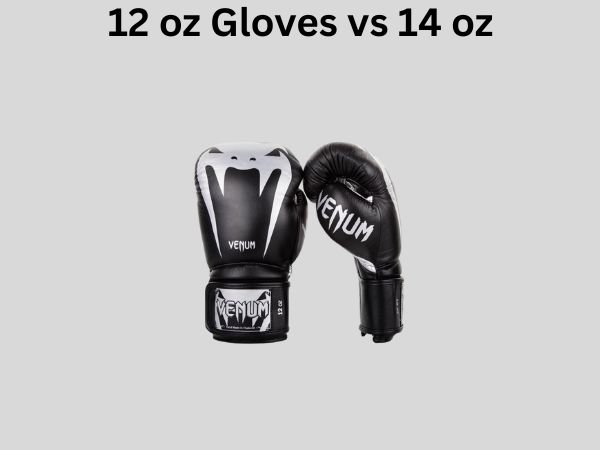
The choice between 12 oz and 14 oz gloves isn’t about finding an objectively correct answer—it’s about understanding your specific situation and training objectives. Twelve ounce gloves excel at developing speed, reflexes, and technical sharpness while placing greater demands on your hand conditioning. Fourteen ounce gloves offer superior protection, comfort for extended training, and better safety during sparring while still allowing meaningful speed and power development.
Beginners should start with 14 oz gloves to protect their hands while they develop proper technique. Experienced fighters should choose based on their current training phase and specific goals. The ideal approach involves understanding both weights’ characteristics so you can make informed decisions as your boxing journey evolves. Don’t get caught up in the minimal weight difference—focus instead on training smart, maintaining proper technique, and choosing equipment that supports your long-term boxing health and development.