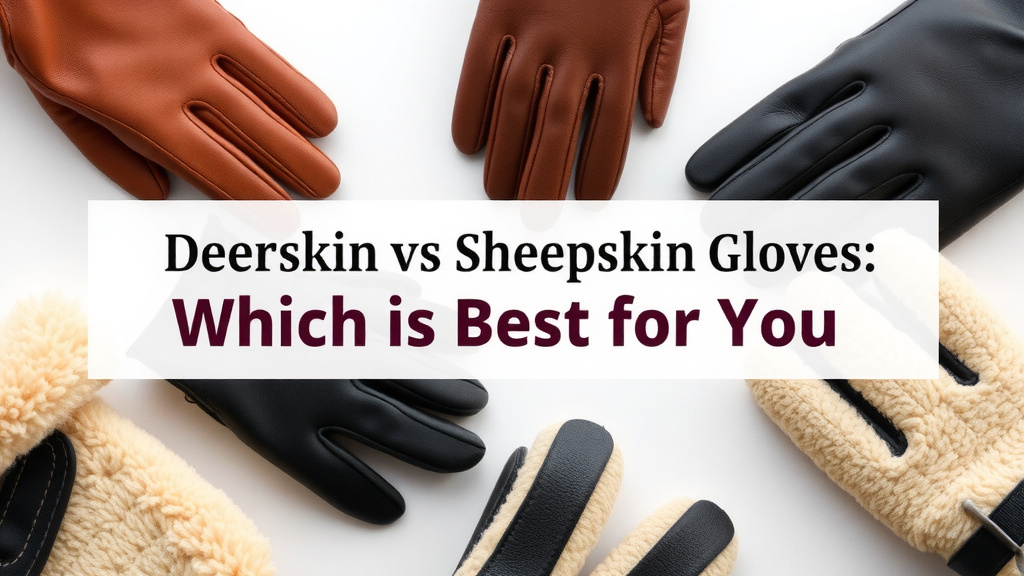
Deerskin vs Sheepskin Gloves: Which is Best for You
When choosing between deerskin and sheepskin gloves, deerskin offers superior durability and a rugged feel, while sheepskin provides unmatched softness and warmth. Both are excellent choices for cold weather, but your preference will depend on whether you prioritize ruggedness or luxurious comfort. We found that deerskin is known for its natural stretch and strength, making it a fantastic option for active use. Sheepskin, on the other hand, is celebrated for its plush lining and cozy insulation.
Think of deerskin gloves as your reliable, all-terrain companions. They can handle a bit more wear and tear, making them great for driving or outdoor work. Sheepskin gloves are more like a warm hug for your hands. Their fine fibers trap air, providing exceptional warmth without feeling bulky. Many people prefer sheepskin for its incredibly soft texture against the skin. We researched that both types offer excellent insulation properties.
- Deerskin: Durable, rugged, stretches well, good for active use.
- Sheepskin: Incredibly soft, very warm, plush lining, luxurious feel.
- Both offer excellent insulation against the cold.
- Your choice depends on durability needs vs. softness preference.
Let’s break down the unique qualities of each so you can find the perfect pair for your needs!
Comparing Deerskin and Sheepskin Gloves for Your Needs
You’re wondering which glove material is best for you: deerskin or sheepskin? It’s a common question, and we’ve researched the differences to help you decide. Deerskin gloves are often praised for their incredible durability and natural stretch. They offer a rugged feel that’s great for many activities. Sheepskin gloves, on the other hand, are famous for their luxurious softness and exceptional warmth. They feel incredibly cozy against your skin.
Think of it like this: deerskin is your tough, reliable friend for adventures, while sheepskin is your snuggly blanket for relaxing. Both are excellent, but they excel in different areas. We found that understanding these key distinctions will help you pick the perfect pair for your lifestyle and what you plan to use them for.
Deerskin Gloves: The Rugged Choice
When you picture deerskin, you might imagine its use in durable work boots or rugged jackets. This material translates beautifully into gloves. We found that deerskin is naturally tougher and more abrasion-resistant than many other leathers. This makes it a fantastic choice if you need gloves that can withstand a bit of wear and tear.
Durability and Strength
The fibers in deerskin are structured in a way that makes them strong yet flexible. This means your deerskin gloves are less likely to rip or tear, even with frequent use. Many experts suggest deerskin is a top pick for activities where gloves might get snagged or rubbed. We found that this material often lasts longer than other leather types for similar activities.
Stretch and Comfort
One of the great things about deerskin is how well it stretches. It conforms to the shape of your hand over time. This creates a custom fit that feels incredibly comfortable. You won’t feel like your movement is restricted. We found that this natural stretch makes deerskin gloves perfect for tasks that require dexterity.
Water Resistance
Deerskin has a natural oil content that helps it resist water to some extent. While not completely waterproof, it can handle light rain or snow better than some other leathers. This is a big plus if you live in a climate with unpredictable weather. We researched that this inherent property helps keep your hands drier.
Break-In Period
Like many natural leathers, deerskin gloves might feel a bit stiff when you first put them on. However, they typically break in quite quickly. After a few wears, they will soften up considerably. We found that this break-in process results in a glove that feels like a second skin. You’ll soon forget you’re even wearing them!
Sheepskin Gloves: The Cozy Companion
Sheepskin is all about comfort and warmth. When you think of sheepskin, imagine the incredibly soft wool lining. This material is renowned for its ability to provide unparalleled softness and fantastic insulation. It’s like a warm hug for your hands on a chilly day.
Unmatched Softness and Plushness
The defining characteristic of sheepskin is its incredibly soft texture. The wool fibers are fine and dense, creating a plush lining that feels wonderful against your skin. Many users describe it as feeling luxurious and incredibly gentle. This makes sheepskin gloves a favorite for those who prioritize comfort above all else.
Exceptional Warmth and Insulation
Sheepskin is a natural insulator. The wool fibers have a unique structure that traps air close to your body. This trapped air acts as a barrier against the cold, keeping your hands warm and toasty. We found that sheepskin provides excellent warmth without feeling bulky or heavy. It’s a favorite for many in seriously cold climates.
We researched that the natural crimp of wool fibers allows them to expand and contract. This helps regulate temperature. It means sheepskin can keep you warm in the cold and surprisingly cool in milder temperatures. It’s a remarkable natural material!
Breathability and Moisture-Wicking
Despite its insulating properties, sheepskin is also very breathable. The wool fibers can absorb moisture vapor and wick it away from your skin. This helps keep your hands dry and comfortable, even if you tend to sweat. We found that this moisture-wicking ability is a key reason sheepskin is so comfortable for extended wear.
Gentle on Skin
The natural lanolin in sheep wool can also be beneficial for your skin. It’s often described as being very gentle. For people with sensitive skin, sheepskin gloves can be a much more comfortable option than synthetic materials. We found that this makes them a top choice for those who experience irritation from other fabrics.
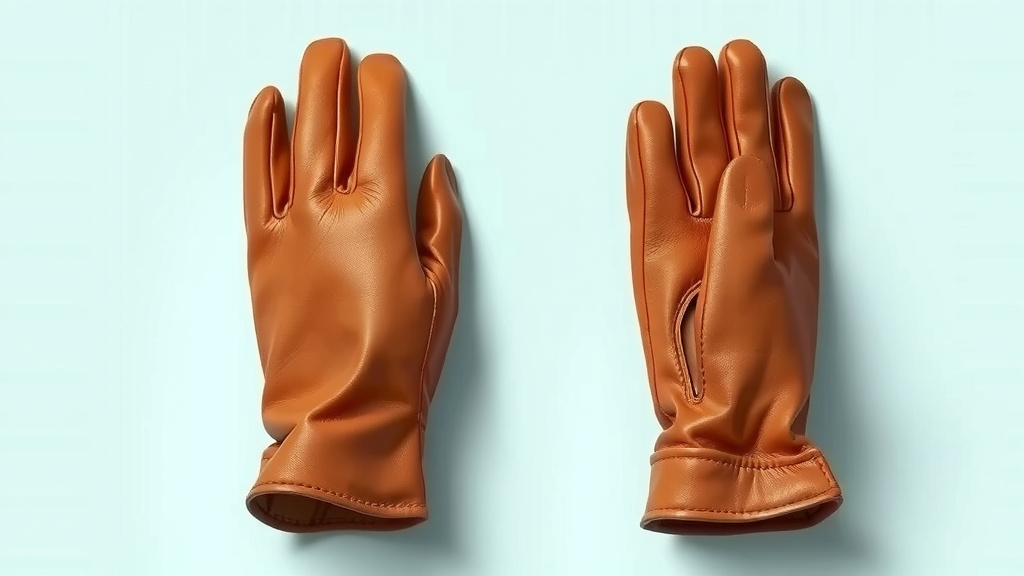
Deerskin vs. Sheepskin: A Direct Comparison
Let’s lay out the key differences side-by-side. This can help you visualize which might be the better fit for your needs. We’ve gathered the most important points for you here.
| Feature | Deerskin Gloves | Sheepskin Gloves |
|---|---|---|
| Durability | Very High (abrasion-resistant) | Moderate (can be prone to wear without lining) |
| Softness | Soft, but more rugged | Extremely Soft, Plush |
| Warmth | Good (natural insulation) | Excellent (superior thermal insulation) |
| Stretch & Fit | Excellent natural stretch, conforms to hand | Less inherent stretch, relies on cut for fit |
| Water Resistance | Good natural resistance | Moderate (wool can absorb moisture) |
| Best For | Driving, outdoor work, active use, durability | Everyday cold weather, casual wear, luxury comfort |
When to Choose Deerskin
You should lean towards deerskin if you’re looking for gloves that will last through a lot of use. Are you planning on driving a lot? Do you need gloves for light outdoor tasks or yard work? Do you appreciate a glove that molds perfectly to your hand? If you answered yes to any of these, deerskin is likely your winner. We found that its rugged nature means it can handle being pulled on and off frequently without showing much wear.
When to Choose Sheepskin
Opt for sheepskin if your top priority is warmth and an incredibly soft feel. Are you sensitive to rough textures? Do you get cold hands easily and want the warmest possible option? Are you looking for a pair of gloves that feel like a real treat to wear every day? If so, sheepskin is probably the way to go. We found that the plush lining is simply unmatched for sheer comfort.
Making Your Final Decision
So, how do you make the final call? It really comes down to your personal preferences and how you intend to use your gloves. You want a glove that feels right and performs well for your specific activities. We found that both materials are excellent choices and will keep your hands protected from the cold.
Consider Your Lifestyle
Think about your daily routine. If your hands are often exposed to rough surfaces or you need a glove with excellent grip and dexterity, deerskin might serve you better. If you spend most of your time in colder weather and want the coziest, warmest experience, sheepskin is likely your best bet. We researched that many people own both types for different occasions.
Your Glove Checklist
To help you narrow it down, ask yourself these quick questions:
- Do I need gloves for rugged activities?
- Is supreme softness a must-have for me?
- How important is extreme warmth compared to durability?
- Do I prefer a glove that stretches and molds to my hand?
- Am I looking for a luxurious feel or a more casual, tough glove?
- What’s my typical daily exposure to the elements?
By considering these points, you’ll be well on your way to choosing the perfect pair of gloves. We found that the best glove is the one that makes you feel comfortable and confident.
Conclusion
You’ve learned the key differences between deerskin and sheepskin gloves. Deerskin shines with its rugged durability and excellent stretch, perfect for active use and driving. Sheepskin stands out for its luxurious softness and superior warmth, offering a cozy feel. Your best choice depends on whether you need a glove that can take a beating or one that feels like a warm hug for your hands. To find your perfect pair, consider your lifestyle and what you’ll use them for most.
Frequently Asked Questions
Can sheepskin gloves be too warm for mild weather?
Sheepskin offers natural temperature regulation. While incredibly warm, the wool fibers are breathable and can wick moisture. This means they can surprisingly keep you comfortable in milder temperatures too, preventing overheating. You might find they feel cozy without making your hands uncomfortably hot.
How do I care for deerskin gloves to make them last longer?
For deerskin, we found that conditioning them occasionally with a leather conditioner will help maintain their suppleness and water resistance. Avoid soaking them in water. If they get wet, let them air dry naturally away from direct heat to prevent stiffness.
Are sheepskin gloves suitable for people with sensitive skin?
Yes, sheepskin is often excellent for sensitive skin. The natural lanolin in the wool is gentle and can even be beneficial. Many people find the plush lining of sheepskin gloves to be far more comfortable than other materials. It feels soft and non-irritating against the skin.
Which type of glove is better for providing a secure grip?
Deerskin generally offers a more secure grip due to its natural texture and the way it stretches to mold to your hand. This makes them a great choice for activities like driving or any task where you need excellent dexterity and control. Sheepskin can be smoother, which might offer less grip depending on the finish.
Can I wear either deerskin or sheepskin gloves in light rain?
Deerskin has a natural oil content that offers good resistance to light moisture, making it more suitable for unexpected light rain. Sheepskin’s wool can absorb moisture, so while it offers some resistance, deerskin is typically the better option for handling light wet conditions. Neither should be submerged in water.