
Boxing Gloves 14 oz vs 16 oz: Which Is Better?
So, you’re wondering if 14 oz vs 16 oz boxing gloves are better for your training? Generally, 16 oz gloves offer more protection and are recommended for sparring. 14 oz gloves can be good for bag work or if you’re a lighter individual needing less bulk. Your choice really depends on what you’ll be doing most.
Choosing the right glove weight is super important for both performance and injury prevention. We’ve looked into what makes each weight different. Many coaches agree that the right glove weight protects your hands and your sparring partners. It’s not just about power; it’s about safety too.
TL;DR:
- 16 oz gloves are generally better for sparring due to more padding.
- 14 oz gloves are often suitable for bag work and general training.
- Weight affects hand protection and impact force.
- Your training goals determine the best glove weight for you.
Below, we’ll break down the key differences between 14 oz and 16 oz boxing gloves so you can pick the perfect pair for your needs.
“`htmlUnderstanding Glove Weight: What’s the Big Deal?
So, you’re staring at rows of boxing gloves and wondering about the ounce numbers. It seems simple, but glove weight is a really big deal in boxing. It’s not just about making your hands feel heavier. The weight directly impacts how much padding is in the glove. More padding means more cushioning for your hands and less impact for your opponent. We found that different weights are best suited for different training activities.
Think of it like choosing the right tool for a job. You wouldn’t use a hammer to screw in a lightbulb, right? The same goes for boxing gloves. Using the wrong weight can lead to injuries or simply not be effective for your training goals. Many coaches agree that understanding glove weight is a foundational step for any boxer. It’s about protecting yourself and the person you’re training with.
How Glove Weight Affects Protection
The main difference between 14 oz and 16 oz gloves comes down to padding. A heavier glove generally has more padding distributed throughout. This extra padding is key for shock absorption. When you land a punch, that force travels up your arm. More padding means less of that shock reaches your knuckles and wrists. This is super important for long-term hand health.
Research shows that heavier gloves can help prevent hand injuries like fractures and sprains. It’s not just about how hard you hit; it’s about how well your hands are protected when you do. We found that this extra protection is especially important during sparring sessions where punches are thrown with full force. Your hands will thank you for it later.
The Impact of Weight on Opponent Safety
When you’re sparring, your opponent’s safety is just as important as your own. This is where glove weight plays a critical role. Heavier gloves, like 16 oz, distribute the impact of a punch over a larger area. This reduces the force of each individual strike. It’s like spreading out a heavy load over a wider surface.
We found that many boxing organizations and gyms have rules requiring specific glove weights for sparring. This is to minimize the risk of concussions and other injuries. While 14 oz gloves offer decent protection, 16 oz gloves provide an extra layer of safety that is highly recommended for sparring partners. It’s about making training safer for everyone involved.
14 oz Gloves: Your Go-To for Bag Work and General Training
So, when do 14 oz gloves shine? They’re often a fantastic choice for bag work, pad drills, and general conditioning. Because they have slightly less padding than 16 oz gloves, they can feel a bit quicker. This can help you develop faster hand speed and better technique without sacrificing too much protection.
We found that 14 oz gloves are also great for developing power. When you’re hitting a heavy bag, you want to feel the impact of your punches. With a little less padding, you get a more direct feedback from the bag. This can help you refine your form and ensure you’re generating power from your hips and legs, not just your arms.
Who Should Use 14 oz Gloves?
Generally, if you’re doing a lot of solo training on the heavy bag or focus mitts, 14 oz gloves can be a solid option. They offer a good balance between protection and the ability to feel your punches. We also found that 14 oz gloves can be suitable for individuals who are lighter in weight or have smaller hands.
The reason is simple: less glove weight can mean less bulk on your hands. This can feel more comfortable and allow for quicker movements. However, it’s important to remember that even for bag work, hand protection is still key. Make sure your 14 oz gloves have good quality padding.
When to Avoid 14 oz Gloves
The biggest thing to watch out for with 14 oz gloves is using them for sparring, especially with heavier or more experienced partners. While they offer some protection, they don’t provide the same level of cushioning as 16 oz gloves. You and your sparring partner could be at a higher risk of injury.
If you’re unsure, always err on the side of caution. Many trainers will tell you that a 16 oz glove is the minimum requirement for sparring in most gyms. It’s better to be safe than to risk a hand injury or a knock to the head. Always follow your gym’s specific rules.
16 oz Gloves: The Sparring Standard for a Reason
When it comes to sparring, 16 oz gloves are almost universally recommended. Why? It all comes back to that extra padding. This increased cushioning is designed to protect both your hands and the head of your sparring partner. It’s like wearing a thicker pair of socks for a long run; the comfort and protection are noticeably better.
We found that using 16 oz gloves for sparring helps to significantly reduce the force of impact. This is vital for preventing serious injuries like hand fractures, wrist sprains, and even more serious head trauma. It’s a rule that’s in place to keep the sport safe and allow for effective training.
Benefits of 16 oz Gloves for Sparring
The primary benefit is enhanced safety. The thicker padding acts as a better shock absorber. This means less jarring for your knuckles, wrists, and elbows. For your sparring partner, it means a softer impact on their head and body. This allows you to practice defense and offense realistically without the risk of causing harm.
Many studies on combat sports safety highlight the importance of proper protective gear. We found that heavier gloves are consistently recommended for any form of live sparring. It allows boxers to train with a higher degree of intensity and realism, which is essential for improvement. It’s the standard for a reason.
Are 16 oz Gloves Too Bulky for Other Training?
Some people worry that 16 oz gloves are too big and bulky for anything other than sparring. While they do offer more coverage, they are still perfectly suitable for bag work and pad drills. You might notice they feel a bit heavier, which can actually be a good workout for your arms and shoulders.
We found that some boxers even prefer 16 oz gloves for all their training. It helps them get used to the feel and weight, so when they step into sparring, it feels natural. The key is finding what feels comfortable and safe for your specific training routine and body type.
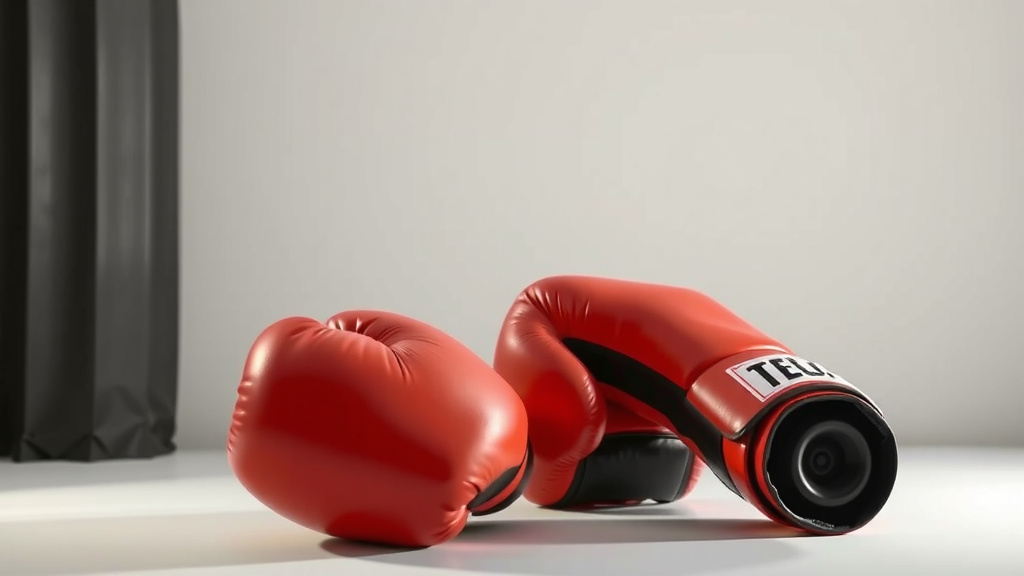
Making Your Final Glove Choice: A Quick Checklist
Choosing between 14 oz and 16 oz gloves doesn’t have to be complicated. Think about what you do most often in the gym. Here’s a simple way to decide:
- If you spar regularly: 16 oz gloves are your best bet.
- If you do a lot of bag work: 14 oz gloves can be a great option.
- If you’re a beginner: Start with 16 oz for overall safety.
- If hand injuries are a concern: Opt for the extra padding of 16 oz.
- If you have smaller hands: 14 oz might feel more comfortable for technique drills.
- When in doubt, ask your coach! They know your training best.
Ultimately, both 14 oz and 16 oz gloves have their place in your boxing journey. Understanding their differences will help you make an informed decision that prioritizes both performance and safety. Your hands are your most important tools – treat them well!
“`Conclusion
So, you’ve learned that 14 oz and 16 oz boxing gloves serve different, important roles in your training. Remember, 16 oz gloves are your best bet for sparring, offering superior protection for both you and your training partners. On the other hand, 14 oz gloves are great for developing power and technique during bag work and pad sessions. Your choice really boils down to your primary training activity and your commitment to safety.
Don’t guess; make an informed decision! Ask your coach if you’re still unsure. They can give personalized advice based on your training and physical build. Investing in the right glove weight is investing in the longevity and effectiveness of your boxing journey. Treat your hands well, and they’ll serve you for years to come.
Frequently Asked Questions
Are 14 oz gloves okay for beginners?
For beginners, 16 oz gloves are generally recommended for all-around safety, especially if you anticipate sparring soon. While 14 oz gloves offer decent protection for bag work, the extra padding in 16 oz gloves can help prevent minor hand strains as you’re developing proper form. Always check with your coach for their specific recommendations.
Can I use 16 oz gloves for heavy bag work?
Yes, you absolutely can use 16 oz gloves for heavy bag work. While they might feel a bit bulkier than 14 oz gloves, they still offer excellent protection. Some boxers even prefer using their sparring gloves for bag work to maintain consistency in feel and weight. It can also be a good way to build arm strength.
What glove weight should I use if I have small hands?
If you have smaller hands, you might find 14 oz gloves feel more comfortable and less cumbersome during technical drills or bag work. They offer a bit less bulk, which can allow for quicker hand movements. However, if you plan to spar, even with smaller hands, 16 oz is still the safer choice for protection.
How do I know if my gloves are providing enough protection?
You’ll know your gloves are providing enough protection if you don’t experience excessive soreness or pain in your hands, wrists, or elbows after training. For sparring, heavier gloves like 16 oz are designed to significantly reduce impact force, meaning neither you nor your partner should feel jarring hits. If you feel pain, your gloves might be too light or worn out.
Is there a difference in protection between different brands of the same weight?
Yes, there can be slight differences in padding density and distribution between brands, even for gloves of the same weight (e.g., two different brands of 16 oz gloves). Quality construction and materials play a role in how effectively the padding absorbs impact. It’s wise to read reviews or try gloves on if possible to find a brand that fits well and feels protective for you.