How to Double Glove Correctly for Maximum Protection
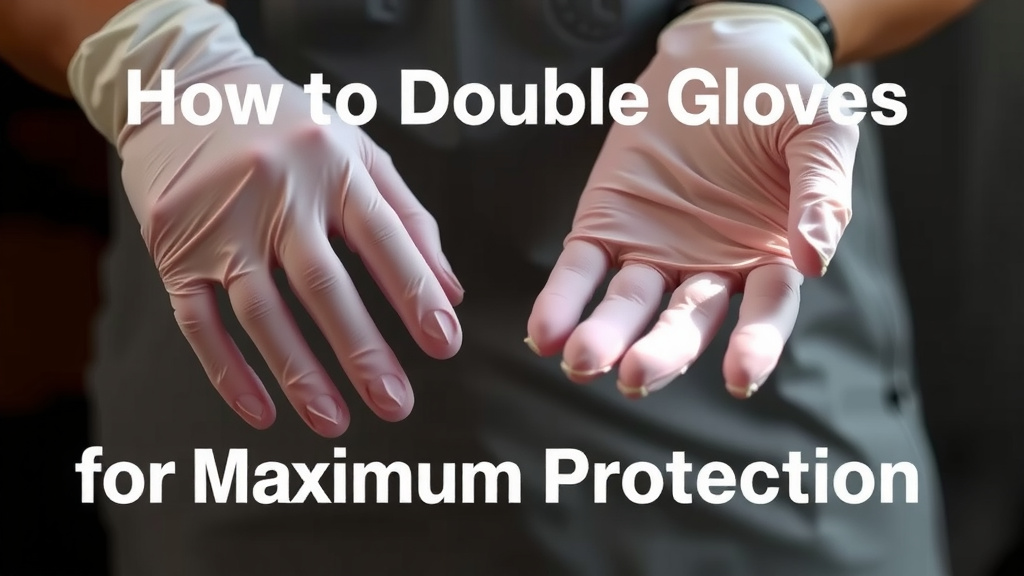
Double gloving involves wearing two pairs of gloves one over the other for added protection. This technique is often used in healthcare settings to provide a stronger barrier against germs and bodily fluids. It’s a simple yet effective way to enhance your safety during certain procedures.
Why would you need two layers of protection? Research shows that even high-quality single gloves can develop microscopic tears. Double gloving helps to prevent contamination if the outer glove is compromised. It’s especially recommended when dealing with highly infectious agents or during procedures with a high risk of fluid exposure.
- Wear two gloves.
- The outer glove protects the inner one.
- Helps prevent germ spread.
- Good for high-risk tasks.
Ready to learn the best way to put on and take off double gloves correctly? Let’s walk through the simple steps together.
Mastering the Art of Double Gloving
Understanding how to properly put on and take off two layers of gloves is a key skill. It offers an extra layer of defense. This guide will walk you through the simple steps. You’ll learn why and when this technique is best used.
Why Double Up Your Gloves?
Think of your gloves like a shield. Sometimes, even the best shields can get a tiny nick or scratch. Research indicates that standard medical gloves can develop microscopic holes. These tiny imperfections can let germs or fluids through. Double gloving provides a backup shield.
This extra protection is especially important in certain situations. When you’re working with patients who have highly contagious illnesses, for example. Or during procedures where there’s a higher chance of splashing or spraying bodily fluids. It’s about being extra careful.
The Science Behind the Second Glove
We found that even with careful handling, single gloves can be compromised. A study published in the American Journal of Infection Control showed that wearing two gloves significantly reduced the rate of contamination. This is because if the outer glove gets a tear, your inner glove remains intact. It acts as a crucial barrier.
Many healthcare organizations recommend double gloving for specific high-risk activities. This includes certain surgical procedures or when handling chemotherapy drugs. The added security is considered well worth the effort.
Putting On Double Gloves: A Step-by-Step Guide
Getting this right is about more than just shoving two gloves on. Proper technique ensures you don’t contaminate your hands or the gloves themselves. We’ll cover the best way to do it. Remember, cleanliness is key throughout this process.
Step 1: Hand Hygiene is Non-Negotiable
Before you even touch a glove, start with clean hands. Wash your hands thoroughly with soap and water for at least 20 seconds. Or, use an alcohol-based hand sanitizer if soap and water aren’t available. This step is fundamental to preventing contamination.
Step 2: Don Your First Glove
Pick up your first glove. Make sure it’s the correct size for your dominant hand. Slide it on, ensuring a snug fit without being too tight. Try to avoid touching the outside of the glove with your bare hand more than necessary. We want to keep that surface as clean as possible.
Step 3: Don Your Second Glove
Now, take your second glove. This one should be for your non-dominant hand. Slide it on over the first glove. Some people prefer to put the second glove on their dominant hand first, and then the first glove on their non-dominant hand. Either way works, but consistency is helpful. Ensure the second glove overlaps the cuff of the first glove, if possible. This creates a better seal.
Step 4: Ensure Proper Fit and Comfort
Once both gloves are on, smooth them out. Make sure there are no large wrinkles or gaps. You want them to feel like a second skin. They shouldn’t restrict your movement. If they feel uncomfortable or too bulky, you might need to try a different size or type of glove.
Removing Double Gloves: Safety First!
Taking off double gloves correctly is just as important as putting them on. The goal is to remove both gloves without touching your bare skin to the potentially contaminated outer surfaces. This prevents cross-contamination. Let’s break down the safest removal method.
Step 1: Remove the Outer Glove
Start with your dominant hand. Pinch the outside of the cuff of the outer glove. Gently pull it down and off your hand. You can use your fingers to help push the glove off from the inside. Peel it downwards, turning it inside out as you remove it. Place this glove in a designated biohazard bin or a trash receptacle.
Step 2: Remove the Inner Glove
Now, use your ungloved (but still gloved) hand to grasp the cuff of the inner glove. Slide this glove off your hand. This glove should also be turned inside out as you remove it. The contaminated outside surfaces of both gloves should now be contained within the second glove. Dispose of this glove properly as well.
Step 3: Hand Hygiene Again
After removing both gloves, perform hand hygiene once more. Wash your hands with soap and water or use hand sanitizer. This final step ensures any potential contamination that might have occurred is removed. It’s the bookend to a safe process.
When Should You Consider Double Gloving?
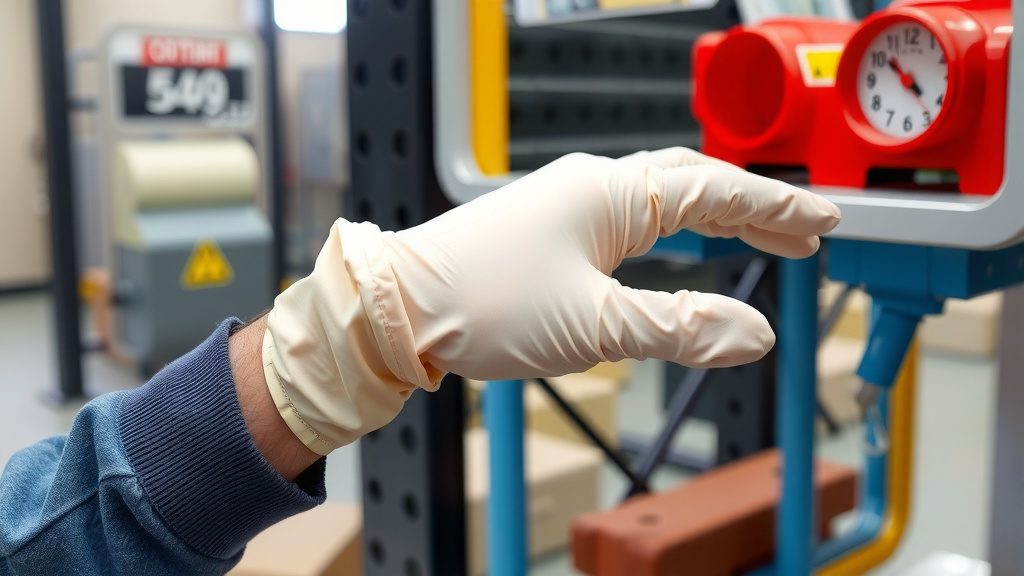
Not every situation calls for an extra layer of protection. However, for certain tasks, the benefits are clear. We’ve compiled a quick checklist to help you decide.
- High-risk procedures with potential for splashing or aerosolization of bodily fluids.
- Working with patients known to have highly infectious diseases.
- Handling hazardous drugs, like chemotherapy agents.
- When there’s a risk of gloves tearing or puncturing during a procedure.
- Extended procedures where gloves might become damaged over time.
Following these guidelines ensures you’re using double gloving when it matters most.
Common Mistakes to Avoid
Even with the best intentions, mistakes can happen. Being aware of them can help you avoid contaminating yourself or your environment. We’ve seen a few common pitfalls people run into.
| Common Mistake | Why It’s a Problem | How to Avoid It |
|---|---|---|
| Not performing hand hygiene before donning. | Introduces germs from your hands to the inside of both gloves. | Always wash or sanitize hands first. |
| Touching the outside of the first glove with bare skin. | Contaminates the surface of the glove you intend to be clean. | Handle gloves carefully by the cuff. |
| Improper removal (e.g., pulling outer glove off and leaving it on). | Exposes your inner glove or bare skin to contamination. | Peel gloves off by the cuff, turning them inside out. |
| Not performing hand hygiene after removal. | Allows residual germs to remain on your hands. | Always re-sanitize or wash hands after removing gloves. |
| Wearing gloves that are too tight or too loose. | Can lead to discomfort, reduced dexterity, or premature tearing. | Choose the correct size for a snug, comfortable fit. |
Avoiding these simple errors will make your double gloving practice much more effective and safe.
Conclusion
You’ve now learned the essential steps for effective double gloving. This practice adds a vital layer of protection for you and those around you. Remember, proper hand hygiene before and after is non-negotiable. When you follow these steps, you’re significantly reducing the risk of contamination. Make double gloving a habit for those high-risk tasks. Your diligence makes a real difference in safety.
Frequently Asked Questions
Can I wear two different types of gloves for double gloving?
It’s generally best to wear two gloves of the same type and material, like two pairs of nitrile gloves. This ensures a consistent fit and protection level. Wearing different materials might lead to friction or discomfort between the layers.
What if the outer glove tears during a procedure?
If your outer glove tears or gets punctured, you can proceed with confidence if you’ve double gloved correctly. The inner glove acts as your primary barrier. You can then carefully remove both gloves following the proper technique and don a new, fresh pair of gloves.
How do I ensure the second glove doesn’t slip over the first one?
The key is to ensure the cuff of your second glove overlaps the cuff of the first glove as much as possible. This creates a sealed barrier. Some people find it easier to put on the second glove over the first, ensuring that overlap at the wrist.
Is double gloving always necessary in healthcare?
No, double gloving isn’t always required for every task. It’s recommended for procedures with a high risk of exposure to bodily fluids or infectious agents. Your institution’s guidelines will typically specify when double gloving is advised.
Can double gloving reduce my dexterity?
While it might feel slightly bulkier, double gloving shouldn’t significantly impair your dexterity if you use the correct glove size. Choosing gloves that fit snugly but comfortably is essential. This ensures you maintain the necessary precision for your tasks.