Cardio Gloves vs Boxing Gloves: What’s the Difference
When choosing hand protection for your workouts, cardio gloves and boxing gloves serve very different purposes. Cardio gloves are designed for general fitness, offering cushioning and grip during activities like weightlifting or cycling. Boxing gloves are specialized for combat sports, providing heavy padding to protect your hands and your opponent during impact.
While both protect your hands, their construction reflects their intended use. Cardio gloves are typically lighter and more flexible, allowing for a better feel of equipment. Boxing gloves are much bulkier and offer substantial padding to absorb the force of punches, making them unsuitable for most general fitness routines where heavy impact isn’t a factor.
- Cardio gloves = general fitness, grip, light cushioning.
- Boxing gloves = combat sports, heavy padding, impact absorption.
- Choose based on your workout type and protection needs.
- They are not interchangeable for best results and safety.
Let’s break down the key differences between cardio gloves and boxing gloves so you can pick the perfect pair for your training.
“`htmlUnderstanding Your Hand Protection Options
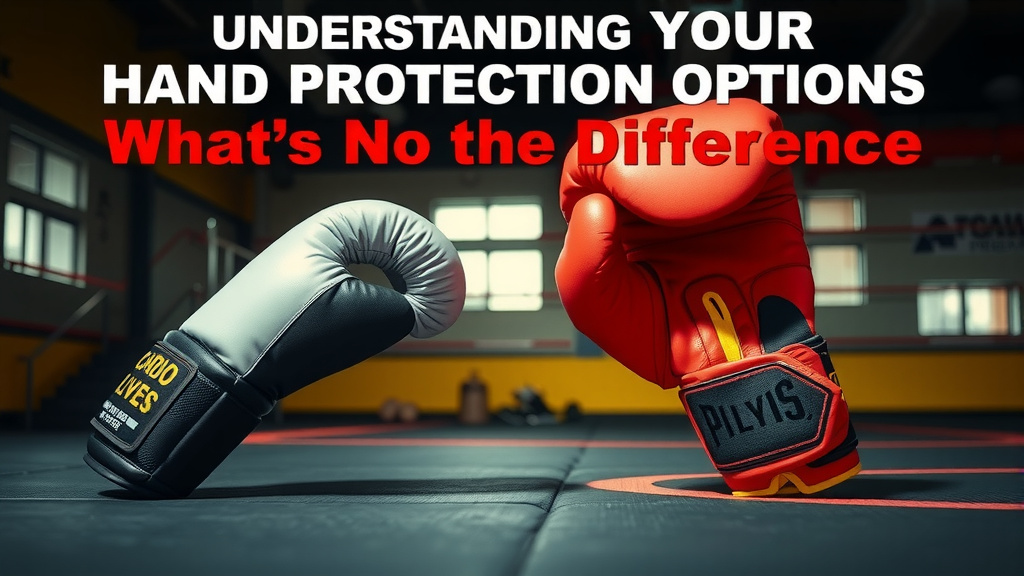
When you’re hitting the gym or getting ready for a workout, you want to make sure your hands are protected. But not all handwear is created equal. You might be wondering about the differences between cardio gloves and boxing gloves. Let’s clear things up so you can choose wisely.
Essentially, cardio gloves are for general fitness, while boxing gloves are for combat. They look similar at first glance, but their design and purpose are worlds apart.
Cardio Gloves: Your Everyday Workout Buddy
Think of cardio gloves as your trusty sidekick for a variety of fitness activities. They’re designed to give you a little extra comfort and grip without getting in your way. You’ll find them useful for a range of exercises where you’re holding onto equipment.
What are Cardio Gloves Best For?
These gloves shine when you’re lifting weights, cycling, or using various gym machines. They provide a layer of cushioning, which can make gripping dumbbells or handlebars feel more comfortable, especially for longer sessions. This cushioning also helps to reduce pressure on your palms.
Many people use them for weightlifting because they can improve your grip. A better grip means you can lift more confidently and safely. We’ve found that a secure grip can really make a difference in your overall workout performance and reduce the chance of dropping weights.
Key Features of Cardio Gloves
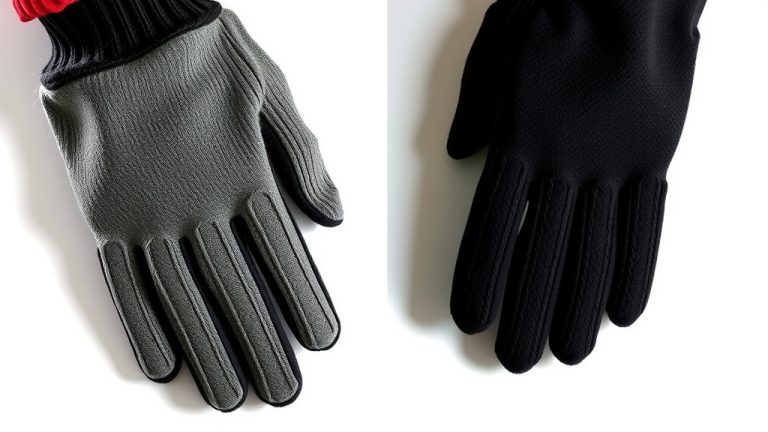
Cardio gloves are usually made from thinner materials like leather, synthetic leather, or breathable mesh. They often have padding in the palm area, but it’s not thick or bulky. You’ll also notice features like:
- Adjustable straps for a snug fit.
- Ventilation to keep your hands cool and dry.
- Reinforced stitching for durability.
- Fingerless designs for better dexterity and feel.
The primary goal here is to enhance your workout experience, not to absorb heavy impacts. They are meant to feel like a second skin, offering support without hindering movement.
Boxing Gloves: Built for Impact
Now, let’s talk about boxing gloves. These are serious pieces of equipment designed for one thing: absorbing the force of punches. If you’re involved in boxing, kickboxing, Muay Thai, or other combat sports, these are what you need.
The Purpose of Boxing Gloves
The main job of boxing gloves is to protect both the wearer’s hands and the opponent. When you throw a punch, a lot of force is generated. The thick padding in boxing gloves helps to distribute this force. This significantly reduces the risk of hand injuries, like fractures or sprains, for the boxer.
It also protects the person receiving the blow. While they don’t eliminate the impact entirely, they cushion it. Many guidelines on combat sports safety emphasize the importance of appropriate padding (CDC).
Construction Differences
Boxing gloves are much bulkier than cardio gloves. They are filled with dense foam or padding, often layered for maximum shock absorption. The outer shell is typically made from durable leather. They are designed to cover your entire fist and wrist for maximum support.
You’ll find features like:
- Generous padding over the knuckles and back of the hand.
- Thumb attachment to prevent injury.
- Secure wrist straps for stability.
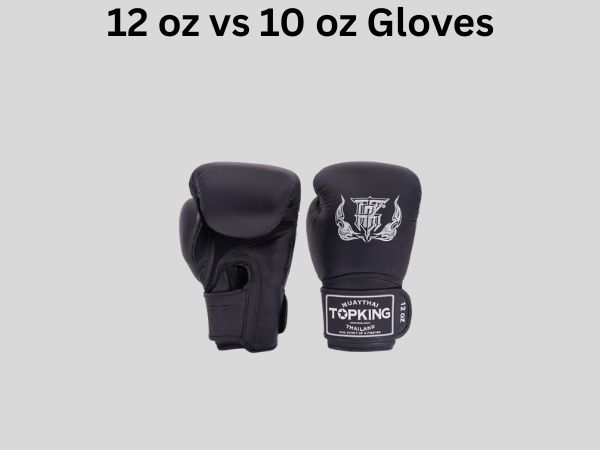
- Various weight classes (e.g., 10oz, 12oz, 16oz) depending on the sport and training type.
These are not gloves you’d wear for lifting a dumbbell or cycling. They are too bulky and restrictive.
Comparing Cardio vs. Boxing Gloves Side-by-Side
To make it super clear, let’s look at how they stack up against each other in a few key areas. This comparison will help you see exactly why they aren’t interchangeable.
| Feature | Cardio Gloves | Boxing Gloves |
|---|---|---|
| Primary Purpose | Grip enhancement, light cushioning, comfort during general fitness. | Impact absorption, hand protection during striking. |
| Padding Level | Light to moderate, focused on palm area. | Heavy and dense, covering knuckles and back of hand. |
| Bulkiness | Slim and flexible. | Bulky and restrictive. |
| Dexterity | High, allows good feel of equipment. | Low, designed to form a fist. |
| Typical Activities | Weightlifting, cycling, rowing, general gym use. | Boxing, kickboxing, Muay Thai, sparring. |
| Hand/Opponent Protection | Protects hands from calluses and minor abrasions. | Protects hands from impact injuries and cushions blows. |
Why You Can’t Just Swap Them Out
Using the wrong type of glove can actually be counterproductive and even harmful. Imagine trying to do push-ups with boxing gloves on – it would be incredibly awkward and unstable. You wouldn’t get the benefit of a good grip, and you might strain your wrists.
On the flip side, wearing cardio gloves for actual boxing training is a recipe for disaster. The light padding offers almost no protection against the impact of throwing punches. You’d risk serious hand injuries very quickly. We found research highlighting that proper gear is essential for preventing injuries in combat sports (National Institutes of Health).
Making the Right Choice for Your Training
Your decision should be based entirely on what you plan to do. Ask yourself: “Am I hitting pads or a heavy bag?” or “Am I just trying to get a better grip on my weights?”
If your goal is general fitness, improving grip, or adding a bit of comfort to your gym sessions, cardio gloves are your go-to. They’re designed for versatility and feel. They help with things like preventing calluses and making prolonged gripping more comfortable.
If you are training for a fight, sparring, or hitting heavy bags with power, then boxing gloves are non-negotiable. They are engineered for safety in high-impact situations. Their design prioritizes absorbing shock, protecting your bones and joints.
Here’s a quick checklist to help you decide:
- Are you participating in a striking sport like boxing or kickboxing? Boxing gloves.
- Do you need better grip for lifting weights or cycling? Cardio gloves.
- Is heavy impact absorption your main concern? Boxing gloves.
- Do you want more comfort and less friction on gym equipment? Cardio gloves.
- Are you concerned about protecting your hands from hard punches? Boxing gloves.
- Is dexterity and feel of equipment important for your workout? Cardio gloves.
By understanding their specific designs and intended uses, you can confidently select the hand protection that will best support your fitness journey and keep you safe.
“`
Conclusion
You now have a clear picture of cardio gloves versus boxing gloves. Remember, cardio gloves are your everyday gym partners for comfort and grip during activities like weightlifting and cycling. Boxing gloves, on the other hand, are specialized gear for combat sports, offering essential padding to protect your hands during striking. Using the right glove for your activity is key to both performance and preventing injuries. Make sure you’re grabbing the correct pair for your next workout or training session to train smarter and safer!
Frequently Asked Questions
Can I use boxing gloves for weightlifting?
No, you should not use boxing gloves for weightlifting. They are far too bulky and restrictive, hindering your grip and potentially causing wrist strain. Their heavy padding is designed for impact, not for the controlled movements of lifting.
Are cardio gloves good for protecting my hands from calluses?
Yes, cardio gloves can help prevent calluses. Their light cushioning and improved grip reduce friction and pressure on your palms while holding weights or equipment, making them a good choice for comfort during general fitness routines.
How do I know what weight class of boxing gloves I need?
The weight class (e.g., 10oz, 12oz, 16oz) of boxing gloves usually depends on your sport, size, and whether you are training or sparring. Lighter gloves are often used for bag work and speed, while heavier gloves are preferred for sparring and safety.
Will cardio gloves make my hands sweat more?
Many cardio gloves are designed with breathable materials like mesh to help manage sweat. While any glove can increase hand warmth, good quality cardio gloves prioritize ventilation to keep your hands cooler and drier during your workout.
Can I wear fingerless gloves for boxing training?
You should not wear fingerless gloves, or regular cardio gloves, for actual boxing training. They offer insufficient padding and wrist support needed to protect your hands from the impact of punches, increasing your risk of serious injury.