Cashmere vs Wool Gloves: Which Keeps Your Hands Warmer
When choosing between cashmere and wool gloves, cashmere typically wins for unparalleled softness and warmth without the bulk. Wool, while a fantastic insulator, can sometimes feel coarser. For a truly luxurious feel and exceptional heat retention, cashmere is often considered the superior choice.
Both materials offer excellent protection against the cold. However, they differ in feel and care requirements. Understanding these differences can help you pick the perfect pair for your needs. We’ve researched the pros and cons to help you decide which glove material is best for keeping your hands cozy.
- Cashmere is softer and lighter than wool.
- Wool can be more durable and often more affordable.
- Both offer excellent warmth.
- Consider your budget and desired feel.
Let’s walk through the key differences between cashmere and wool gloves so you can find your ideal winter handwear.
So, you’re on the hunt for the perfect pair of gloves to keep your hands toasty when the temperature drops. That’s smart! Cold hands can really put a damper on enjoying the winter wonderland, or even just running errands. You’ve narrowed it down to two classic choices: cashmere and wool. Both have a reputation for warmth, but which one is truly the champion for your needs? Let’s break down what makes each of them special.
Comparing Cashmere and Wool Gloves for Your Winter Comfort
When you’re thinking about cashmere versus wool gloves, you’re likely wondering about the feel, the warmth, and maybe even how much care they’ll need. We’ve looked into these materials to help you get a clear picture.
The Cozy Embrace of Cashmere
Cashmere is often hailed as the king of soft fibers. It comes from the undercoat of cashmere goats, which are native to regions like Mongolia and the Himalayas. These goats grow an extra fine, soft layer of wool beneath their coarser outer hair. This super-fine fiber is what gives cashmere its unique feel.
Unmatched Softness and Luxury
If you’re looking for ultimate softness, cashmere is hard to beat. We found that it’s incredibly smooth against the skin, making it a favorite for those with sensitive skin. It doesn’t have that scratchy feeling some people associate with wool. It feels like a gentle hug for your hands.
Lightweight Warmth
Despite its delicate feel, cashmere is surprisingly warm. The fibers have tiny scales that trap air, creating an insulating layer. This means you get excellent warmth without a lot of bulk. Your hands stay warm without feeling weighed down, which is fantastic for everyday wear or for lighter activities.
The Downside of Down (or, the Cost of Cashmere)
Now, let’s talk about the price tag. Because cashmere fibers are so fine and the goats produce only a small amount each year, cashmere is generally more expensive than wool. It’s a luxury material, and you’re paying for that exquisite softness and warmth.
The Enduring Appeal of Wool
Wool has been a go-to material for warmth for centuries. It comes from sheep and is known for its durability and insulating properties. There are many types of wool, each with its own characteristics, but all generally offer great protection against the cold.
Robust Warmth and Durability
Wool is a fantastic insulator. The natural crimp in wool fibers creates air pockets that trap heat, keeping your hands warm even in very cold conditions. Many experts say wool’s natural structure makes it highly effective at retaining heat. Plus, wool is known for being incredibly durable. It can withstand a lot of wear and tear, making wool gloves a long-lasting investment.
Variety in Feel
When we talk about wool, it’s important to remember there’s a wide range. Merino wool, for instance, is much finer and softer than traditional wool, making it a great competitor to cashmere in terms of comfort. However, some coarser wools can feel a bit rougher on the skin. You might want to look for softer wools if you’re sensitive.
Moisture Wicking Properties
Wool has a natural ability to wick away moisture. This means if your hands sweat a little, wool can help draw that moisture away, keeping your hands drier and warmer. This is a big plus if you’re active outdoors.
Affordability Factor
Generally, wool gloves are more affordable than cashmere. You can often find a great pair of warm wool gloves without breaking the bank. This makes wool a very practical choice for many people looking for reliable winter handwear.
Key Differences at a Glance
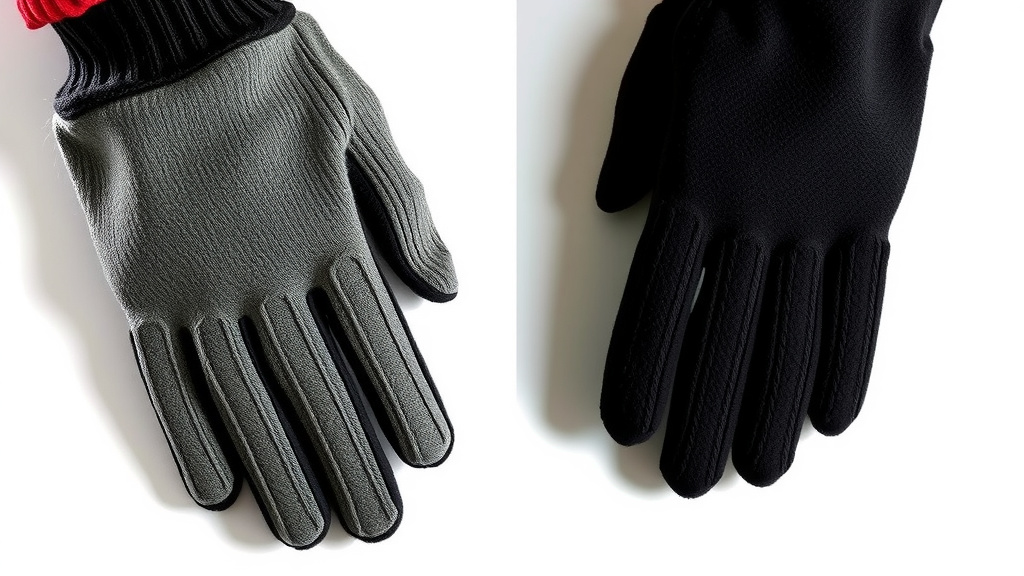
To help you visualize the choice, here’s a quick rundown. Think of it like this: cashmere is like a delicate silk scarf for your hands, while wool is more like a sturdy, warm blanket.
| Feature | Cashmere Gloves | Wool Gloves |
|---|---|---|
| Softness | Exceptionally soft and smooth | Varies; can range from soft to slightly coarse |
| Warmth | Very warm, lightweight | Very warm, can be bulkier depending on wool type |
| Durability | Can be more delicate | Generally very durable |
| Cost | Higher price point | More affordable |
| Care | Often requires delicate hand washing | Can often be hand washed or machine washed on a gentle cycle |
Which Material Is Right for You?
Deciding between cashmere and wool really comes down to your personal priorities. What are you looking for most in a pair of gloves?
For the Ultimate Luxury Seeker
If your top priority is unparalleled softness and a touch of luxury, and your budget allows, cashmere is probably your winner. It feels wonderful against the skin and provides excellent warmth without bulk.
For the Practical, Everyday Warrior
If you need durable, warm gloves that can handle everyday use and perhaps a bit more ruggedness, and you’re mindful of cost, wool is a fantastic choice. Look for softer wools like merino if you want a more comfortable feel.
Considering Your Lifestyle
Think about how you’ll use your gloves. Are you mostly wearing them for a short walk to the car, or for longer periods outdoors? Do you need something super light that fits easily into a pocket? Or do you need gloves that can withstand snow, wind, and more active use?
Many people find that having both types can be ideal. A pair of luxurious cashmere gloves for special occasions or milder cold days, and a pair of robust wool gloves for more demanding winter conditions.
Caring for Your Cozy Hands
How you care for your gloves can make a big difference in how long they last and how well they perform. Always check the care label on your gloves!
- Cashmere Care: We found that most cashmere gloves recommend hand washing in cool water with a mild detergent. Gently squeeze out excess water (don’t wring!) and lay flat to dry. This helps maintain the softness and shape.
- Wool Care: Wool can often be hand washed or machine washed on a gentle, cold cycle. Again, use a mild detergent designed for wool. Laying wool flat to dry is usually best to prevent stretching.
So, when you’re ready to invest in warm hands, consider these points. Both cashmere and wool offer wonderful warmth, but they do so with different feels and care needs. Knowing these differences will help you make the choice that’s just right for your winter adventures.

Conclusion
You’ve explored the cozy world of cashmere and wool gloves. Cashmere offers unmatched softness and luxurious warmth without bulk, perfect if budget is less of a concern. Wool provides robust warmth, durability, and often a more affordable price point, with options like merino offering great comfort. Ultimately, the best glove for you depends on your personal needs and lifestyle. Consider if you prioritize ultimate luxury or practical, long-lasting wear. Your perfect pair is waiting to keep your hands warm all season long!
Frequently Asked Questions
Are cashmere gloves really warmer than wool gloves?
Both materials offer excellent warmth. Cashmere is known for its warmth-to-weight ratio, meaning it’s very warm without feeling heavy. Wool is also a fantastic insulator and can be very warm, sometimes even more so in extreme cold, though it might feel a bit bulkier depending on the type.
Can I wear wool gloves if I have sensitive skin?
Some wools can feel a bit rough, but many types, like merino wool, are incredibly soft and fine, comparable to cashmere. If you have sensitive skin, look for gloves specifically made from softer wool varieties or blends that prioritize a smooth feel.
How do I wash my cashmere or wool gloves?
Always check the care label first! Generally, cashmere should be hand-washed gently in cool water with a mild detergent and laid flat to dry. Wool can often be hand-washed or machine-washed on a delicate, cold cycle, and it’s also best to lay it flat to dry to maintain its shape.
Which type of glove is more durable for everyday use?
Wool gloves are typically considered more durable for everyday, rugged use. Their natural fibers are robust and can withstand more wear and tear. While cashmere is luxurious, it’s a more delicate fiber and might not hold up as well to constant rough handling.
Is there a happy medium between cashmere and wool for gloves?
Yes, many gloves are made from blends of wool and cashmere, or feature softer wools like merino. These blends aim to combine the best qualities of both materials, offering enhanced softness and warmth at a potentially more accessible price point than pure cashmere.