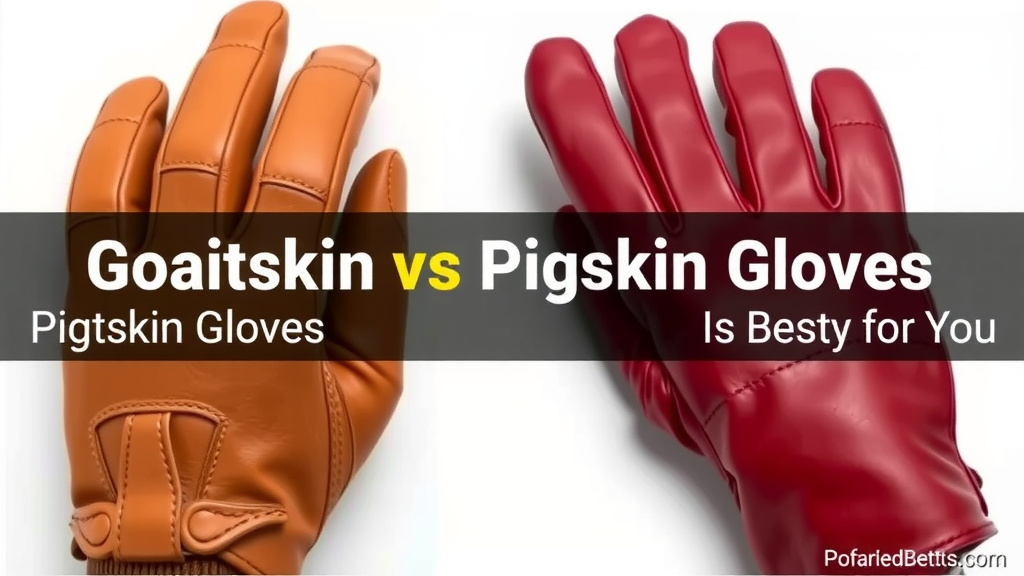
Goatskin vs Pigskin Gloves: Which Is Best for You
When choosing between goatskin and pigskin gloves, goatskin offers superior softness and flexibility, making it ideal for delicate tasks. Pigskin, on the other hand, is known for its exceptional durability and abrasion resistance, perfect for tougher jobs. You really can’t go wrong with either, but your intended use should guide your decision.
We found that while both leather types are great for gloves, their distinct properties lead to different strengths. Goatskin is often preferred for fashion or finer work gloves due to its comfort. Pigskin is a workhorse, handling rougher conditions with impressive resilience and often lasting longer.
- Goatskin: Soft, flexible, good for fine work.
- Pigskin: Tough, durable, great for abrasion resistance.
- Choose goatskin for comfort and dexterity.
- Pick pigskin for heavy-duty protection.
- Your activity determines the best leather.
Let’s break down the key differences between goatskin and pigskin gloves so you can pick the perfect pair for your needs.
Comparing Goatskin and Pigskin for Your Glove Needs
When you’re looking for the right pair of gloves, the material matters. We’ve seen that both goatskin and pigskin offer unique advantages. Your choice really depends on what you plan to do while wearing them. Let’s dive into the details to help you make the best decision.
Understanding Goatskin Gloves: Softness and Dexterity
Goatskin is often praised for its remarkable softness. It has a fine grain texture that feels smooth against your skin. This makes it incredibly comfortable to wear for extended periods. Many people choose goatskin gloves when they need a sensitive touch.
The Feel and Flexibility of Goatskin
One of the standout features of goatskin is its natural elasticity. This means the leather can stretch and move with your hands. You’ll find it offers excellent dexterity, allowing for precise movements. Think of working with small parts or performing detailed crafts.
Goatskin in Action
Because of this flexibility, goatskin gloves are a popular choice for artisans and craftspeople. They are also frequently seen in fashion gloves due to their luxurious feel. Many find they don’t need a break-in period; they feel comfortable right out of the box. We found that this immediate comfort is a major selling point for many consumers.
Durability and Protection: Goatskin’s Trade-offs
While goatskin is soft, it’s also surprisingly resilient. It has a natural oil content that helps keep it supple and resistant to cracking. However, compared to pigskin, it’s generally not the first choice for heavy-duty work that involves a lot of scraping or abrasion. It can be damaged by sharp objects more easily.
Exploring Pigskin Gloves: Toughness and Longevity
Pigskin is known for its exceptional toughness. It’s a very durable leather that can withstand significant wear and tear. If you need gloves that can handle rough jobs, pigskin is definitely worth considering. It’s often the go-to for demanding tasks.
The Rugged Nature of Pigskin
Pigskin has a distinctive texture, often showing the pores from the animal’s hair follicles. This texture contributes to its superior abrasion resistance. We found that this makes pigskin gloves ideal for tasks where your hands might constantly rub against surfaces.
Pigskin’s Strength in Challenging Environments
Many construction workers and mechanics prefer pigskin gloves. The leather holds up well against dirt, grime, and general rough handling. Even after prolonged use, pigskin tends to maintain its structural integrity. Many guidelines suggest pigskin for its ability to resist punctures and tears (National Park Service).
Comfort and Flexibility: Pigskin’s Growing Capabilities
While pigskin is tough, it’s not inherently stiff. Modern tanning processes have made pigskin much more comfortable and flexible than it once was. It can still offer good dexterity, though perhaps not quite to the same degree as the finest goatskin for extremely delicate work. Over time, pigskin will also mold to your hand, offering a personalized fit.
Water Resistance and Maintenance
Pigskin naturally has good resistance to moisture compared to some other leathers. This can be a big advantage if you work in damp conditions. However, like all leather, it’s best to allow pigskin gloves to dry naturally if they get wet. Avoid direct heat sources, as this can cause the leather to stiffen and crack.
Direct Comparison: Goatskin vs. Pigskin at a Glance
To help you visualize the differences, let’s put them side-by-side. We’ve gathered the key attributes you should consider:
| Feature | Goatskin | Pigskin |
|---|---|---|
| Softness | Very High | Moderate |
| Flexibility | Very High | High |
| Dexterity | Excellent | Good |
| Durability | Good | Excellent |
| Abrasion Resistance | Good | Excellent |
| Water Resistance | Moderate | Good |
| Break-in Period | Minimal to None | Moderate |
| Typical Use | Fine work, driving, fashion | Work, construction, mechanics |

Making Your Final Choice: Which Leather is Right for You?
So, how do you pick? It boils down to your primary need. If you’re looking for gloves that feel like a second skin, offer supreme comfort, and allow for very precise finger movements, goatskin is likely your best bet. Think of tasks like detailed assembly, photography, or even just stylish driving gloves.
On the other hand, if your work involves rough materials, constant friction, or you simply need gloves that will last through tough conditions, pigskin shines. Construction sites, workshops, or any environment where durability is key will benefit from pigskin’s resilience.
We found that considering the lifespan and cost can also play a role. While goatskin might feel more luxurious, a good pair of pigskin gloves might outlast them significantly in heavy-duty applications, offering better long-term value for certain users.
Your Glove Selection Checklist
To help you lock in your decision, ask yourself these quick questions:
- What is the primary task I’ll be doing?
- How much dexterity do I really need?
- Will my gloves be exposed to a lot of abrasion?
- Is extreme softness or maximum toughness more important?
- Do I prefer a glove that’s comfortable immediately or one that breaks in over time?
- What is my budget and expected glove lifespan?
Conclusion
You now have a clear picture of what makes goatskin and pigskin gloves stand out. Remember, goatskin offers that luxurious softness and flexibility for jobs needing a delicate touch. Pigskin, on the other hand, is your champion for durability and resistance against tough wear and tear. We found that the best glove for you truly depends on your specific needs. Take a moment to consider your primary tasks and what qualities matter most. Your next step is to choose the pair that will best protect your hands and help you get the job done right.
Frequently Asked Questions
Can I use goatskin gloves for heavy-duty work?
While goatskin is surprisingly resilient, it’s generally not the best choice for heavy-duty work involving constant abrasion or sharp objects. It can be damaged more easily compared to pigskin. For tough jobs, pigskin offers superior protection.
Will pigskin gloves feel stiff and uncomfortable?
Modern tanning processes have significantly improved the comfort and flexibility of pigskin. While it might require a slight break-in period, pigskin gloves can become quite comfortable and mold to your hands over time. They offer good dexterity for many tasks.
Which type of glove is better for wet conditions?
Pigskin naturally offers better resistance to moisture than many other leathers. This makes pigskin gloves a good option if you frequently work in damp environments. Always allow both types of leather gloves to dry naturally if they get wet.
How do I choose between fashion gloves and work gloves made of these leathers?
For fashion or gloves where supreme comfort and a refined feel are key, goatskin is often preferred. If you need gloves for demanding work and prioritize longevity and toughness, pigskin is usually the better selection.
Do either of these leathers require special care?
Both goatskin and pigskin benefit from proper care. Avoid exposing them to excessive heat or harsh chemicals. If they get wet, let them air dry naturally. Regular conditioning can help maintain their suppleness and extend their lifespan, regardless of the type.