Boxing Bag vs Sparring Gloves: Which Is Better?
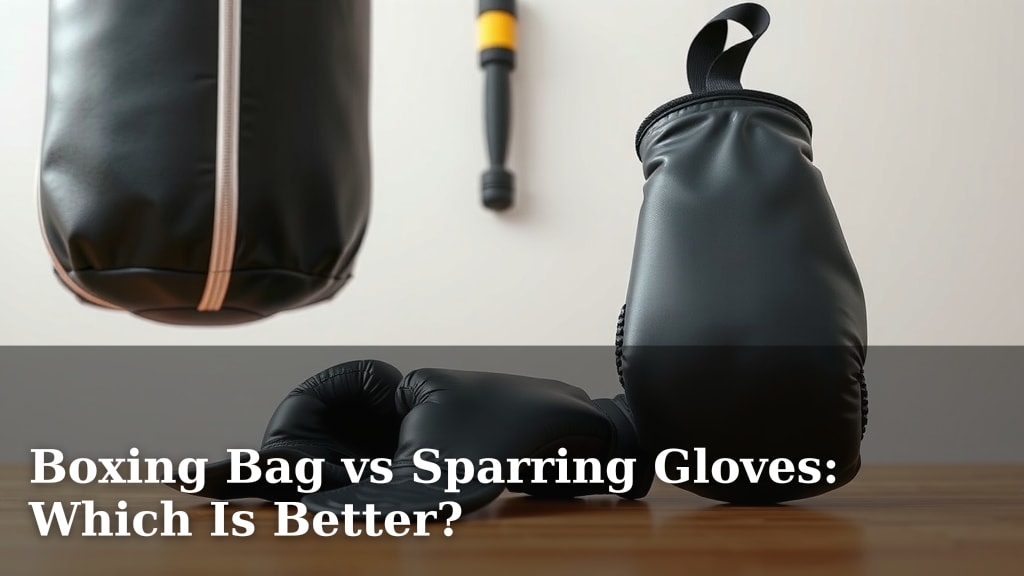
When deciding between boxing bags and sparring gloves for your training, it’s important to know they serve entirely different purposes. You use sparring gloves for protecting your hands and your training partner during sparring sessions, while boxing bags are for developing power and technique. Neither is inherently “better” – they are essential, but distinct, tools for boxers.
Choosing the right gear can make a big difference in your progress. We’ve researched what makes each piece of equipment effective. Understanding their roles helps you build a well-rounded training regimen. This prevents injury and maximizes your gains in the ring. It’s about having the right tool for the job.
- Sparring gloves protect you and your opponent.
- Boxing bags help build power and refine technique.
- They are not interchangeable training tools.
- Using the correct gear prevents injury.
Let’s break down exactly what each piece of equipment is best for and why you need both in your boxing arsenal.
Boxing Bag vs. Punching Gloves: What’s the Difference?
It’s easy to get boxing equipment mixed up. You might wonder if a heavy bag is just a big glove. Or maybe if sparring gloves can replace your bag work. We’re here to clear things up. They are both vital parts of boxing training. But they serve very different roles. Understanding these roles helps you train smarter.
The Mighty Boxing Bag: Your Power and Technique Partner
Think of a boxing bag as your personal, unmoving sparring partner. It’s there to take your best shots. And it helps you build the power and precision needed to land them effectively. We found that consistent work on a bag is key for any boxer. It’s not about hitting hard all the time. It’s about hitting with purpose and correct form.
What Exactly Does a Boxing Bag Do for You?
Working with a boxing bag helps you in several key ways. It’s not just about punching harder. You also develop better timing and rhythm. Many coaches say it’s the foundation of good offense. It lets you practice combinations. You can also work on your footwork and defensive moves.
Building Raw Power
When you strike a heavy bag, you get immediate feedback. The resistance of the bag helps your muscles adapt. This adaptation leads to increased punching power. We found that the impact forces your body to generate more force. This makes your punches land with more authority. It’s like lifting weights, but with your fists.
Sharpening Your Technique
A boxing bag is perfect for drilling specific techniques. You can practice your jab, cross, hook, and uppercut. You can refine your body shots and head shots. It helps you understand distance and timing. You learn to transfer your weight into each punch. Good technique means more effective punches and fewer wasted movements.
Developing Stamina and Conditioning
Hitting a bag for several rounds can be a serious workout. It boosts your cardiovascular health. It also improves your muscular endurance. You’ll find your arms and shoulders get stronger. Your core will tighten up too. This kind of conditioning is vital for lasting through a tough fight.
Types of Boxing Bags and What They’re Good For
Not all bags are created equal. Different bags offer different training benefits. Choosing the right bag can further enhance your training. It’s important to match the bag to your training goals.
- Heavy Bags: These are the classic, large, cylindrical bags. They are great for power punches and endurance training.
- Speed Bags: Small and lightweight, these bags are mounted on a rebound board. They are excellent for developing hand speed, rhythm, and shoulder endurance.
- Double-End Bags: These bags are attached to the floor and ceiling with bungee cords. They are fantastic for improving timing, accuracy, and hand-eye coordination.
- Uppercut Bags: Shaped differently, these bags are specifically designed for practicing uppercuts.
Sparring Gloves: Your Protection System
Now let’s talk about sparring gloves. These are completely different. Their main job is protection. You wear them when you’re training with another person. This is when you actually simulate a fight. We found that proper gloves are non-negotiable for safe sparring.
Why Are Sparring Gloves So Important?
Imagine sparring without gloves. It would be painful for everyone involved. And it would be very dangerous. Sparring gloves cushion your hands. They also protect the person you’re sparring with. The padding spreads the impact of a punch. This reduces the risk of serious injury for both fighters.
Protecting Your Hands
Your hands are your most important tools in boxing. They are also very fragile. The bones in your hands can break easily. Repeated hard impacts without proper padding can lead to long-term damage. Sparring gloves are designed with thick padding. This padding absorbs much of the shock. This helps prevent fractures and sprains.
Protecting Your Training Partner
It’s not just about you. Your training partner relies on you to be safe. Sparring gloves ensure that your punches, even if thrown with force, are less likely to cause severe harm. They distribute the force over a larger area. This makes sparring a more controlled and safer environment for everyone involved.
The Right Size and Weight Matter
Sparring gloves come in various weights, usually measured in ounces (oz). For general sparring, 16oz gloves are common. Lighter boxers or those focusing on defense might use 14oz. Heavier boxers or those throwing harder punches might opt for 18oz. We found that many gyms require 16oz or heavier for all sparring sessions. This is to ensure maximum protection.
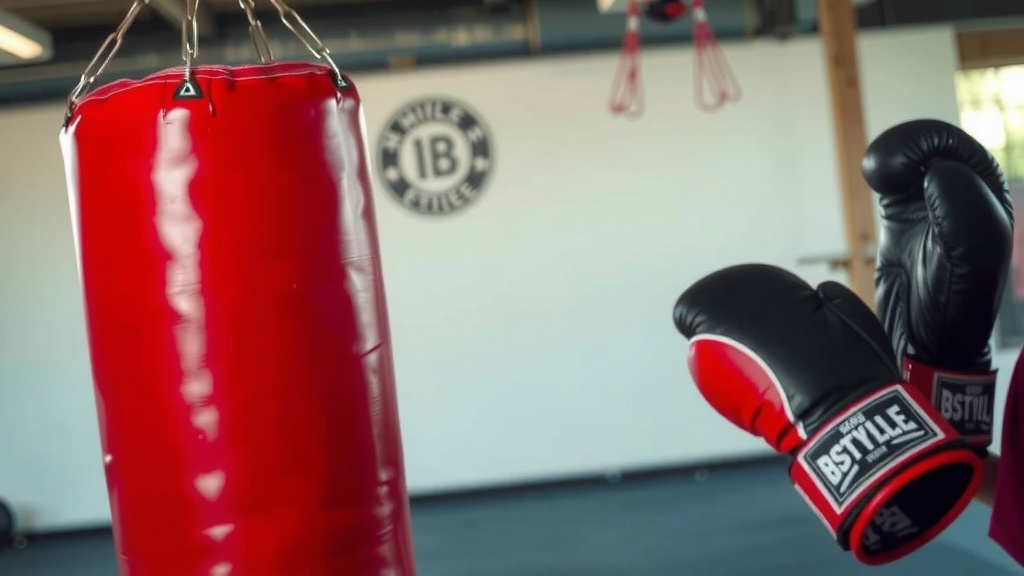
The Key Differences Summarized
To make it crystal clear, let’s look at a quick comparison. You wouldn’t use a hammer to pound a nail if you had a screwdriver, right? It’s the same idea here. Each tool has its purpose.
| Feature | Boxing Bag | Sparring Gloves |
|---|---|---|
| Primary Purpose | Develop power, technique, stamina. | Protect hands and training partner. |
| Type of Training | Solo drilling, conditioning. | Partner drills, simulating fight conditions. |
| Interaction | Striking a stationary object. | Contact with another person. |
| Material Focus | Durable outer shell, heavy filling. | Thick padding, secure wrist strap. |
| Injury Risk (if misused) | Hand injuries from poor form, overuse. | Hand/face injuries from lack of padding. |
Why You Need Both for Complete Boxing Training
So, is one better than the other? No. You absolutely need both for a well-rounded boxing program. Neglecting one means you’re missing out on crucial development. Many professional boxers spend hours on both every week.
A Balanced Training Routine
Think of your training like building a house. The boxing bag is the foundation and the framing. It’s where you build your strength and basic skills. Sparring gloves are like the safety railings and hard hats. They allow you to test those skills in a realistic, controlled environment without getting hurt. You can practice your power punches on the bag. Then, you can use your sparring gloves to apply that power accurately and safely against an opponent.
Checklist for Smart Boxing Training Gear
To make sure you’re covering all your bases, ask yourself these questions:
- Do I have a suitable boxing bag for my training goals?
- Am I using the correct weight of sparring gloves for my sessions?
- Do I understand the proper technique for hitting the bag?
- Am I being careful and respectful during sparring sessions?
- Is my gear well-maintained to prevent injury?
- Do I warm up properly before using either the bag or sparring gloves?
Conclusion
You’ve learned that boxing bags and sparring gloves aren’t competitors, but essential teammates in your boxing journey. Your boxing bag is your dedicated tool for building raw power, refining your technique, and boosting your stamina. Think of it as the workshop where you hone your skills. Sparring gloves, on the other hand, are your safety net. They protect your hands and your training partners, making realistic fight simulation possible and safe. You truly need both to develop as a complete boxer. So, make sure both have a solid place in your training routine to get the most out of every session.
Frequently Asked Questions
Can I just use my boxing bag gloves for sparring?
Generally, no. Boxing bag gloves are designed for striking a stationary object and often have less padding than sparring gloves. Using them for sparring can increase the risk of injury to both you and your partner. Always use dedicated sparring gloves when training with others.
How do I know what weight of sparring gloves to get?
Most gyms recommend 16oz gloves for general sparring to ensure adequate protection for everyone. Lighter boxers might use 14oz, while heavier hitters might prefer 18oz. It’s best to check with your coach or gym for their specific requirements.
Will hitting a heavy bag hurt my hands if I don’t use gloves?
Absolutely. Hitting a heavy bag without gloves is a sure way to injure your hands. The bag provides significant resistance, and without proper padding, you risk cuts, bruises, and fractures. Always wear appropriate hand protection when working with a bag.
Is there a difference between training gloves and sparring gloves?
Yes, there can be. While sometimes used interchangeably, true sparring gloves are specifically designed with maximum padding for protection during live partner training. “Training gloves” can sometimes refer to a broader category that might include bag gloves or all-purpose gloves, which may not offer the same level of protection for sparring.
How often should I be using both a boxing bag and sparring gloves?
A well-rounded boxing program incorporates both regularly. You might work on the bag several times a week for technique and power development, and participate in sparring sessions once or twice a week. The exact frequency depends on your training goals and schedule.