
8 oz vs 16 oz Gloves: Which Should You Use?
When choosing boxing gloves, the 8 oz vs 16 oz gloves decision really comes down to your training goals and the type of sparring you’ll be doing. For general training and bag work, 16 oz gloves offer more cushioning. If you’re aiming for competitive sparring where speed is key, 8 oz or 10 oz gloves might be used, but always with proper safety precautions and supervision. Many trainers recommend 16 oz gloves for most sparring to protect both partners.
We found that glove weight isn’t just about size; it’s about impact absorption and hand protection. Lighter gloves mean less weight to carry, which can feel faster. Heavier gloves provide more padding to reduce the force of a punch hitting your opponent. Understanding these differences helps you make the right choice for your safety and performance.
- 8 oz gloves are lighter and faster.
- 16 oz gloves offer maximum padding for safety.
- The best glove weight depends on your activity.
- Sparring usually requires heavier gloves for protection.
- Bag work and pad work can use lighter or heavier gloves.
Let’s break down the differences between 8 oz and 16 oz boxing gloves, so you can pick the perfect pair for your needs.
Understanding Boxing Glove Weights: 8 oz vs. 16 oz
Choosing the right boxing gloves can feel like navigating a maze. You’ve seen the numbers – 8 oz, 10 oz, 12 oz, 14 oz, 16 oz, and even 18 oz. What do they actually mean for you and your training? We found that these numbers represent the weight of the gloves, which directly impacts their padding and how they feel on your hands.
Think of it like this: heavier gloves mean more cushioning. This extra padding is designed to absorb more impact. Lighter gloves mean less weight to swing around. This can make you feel faster and more agile. But speed isn’t always the main goal, especially when safety is on the line.
The Weight Factor: More Than Just a Number
We’ve learned that glove weight isn’t arbitrary. It’s a carefully considered aspect of boxing gear. Manufacturers use different amounts of padding for different purposes. This padding is typically made from foam or other shock-absorbent materials. The goal is always to protect both the wearer’s hands and the person they’re hitting.
When you’re just starting out, or even if you’re a seasoned pro, understanding this weight difference is key. It influences everything from your punch speed to your hand fatigue. Let’s look at what each of these popular weights typically offers.
When to Reach for 8 oz Gloves
So, who uses 8 oz gloves? We found that these are generally considered competition gloves for lighter weight classes. This means professional boxers fighting in certain weight divisions might wear them in official matches. They are also sometimes used by women in amateur boxing competitions.
The primary advantage here is speed. Because they are so light, they allow fighters to throw punches much faster. This is critical in a competitive setting where every split second can matter. However, they offer the least amount of padding. This is why they aren’t typically recommended for heavy bag work or sparring.
The Downside of Lighter Gloves
While speed is nice, the lack of padding in 8 oz gloves is a major concern for general training. Hitting a heavy bag or pads with them can put a lot of stress on your wrists and knuckles. You might feel the impact more intensely than you would with heavier gloves.
More importantly, when it comes to sparring, 8 oz gloves can be downright dangerous for your training partner. The reduced padding means that a punch, even if not thrown with full force, can carry a more significant impact. Many trainers and boxing organizations strongly advise against using 8 oz gloves for sparring, especially for heavier individuals or those with significant power.
Why 16 oz Gloves Are the Go-To for Training
Now, let’s talk about the 16 oz glove. We found that this weight is often considered the standard for sparring and general training. Why? It all comes down to that extra padding we mentioned. That extra weight means more material designed to cushion the blow.
When you’re sparring with a partner, the goal is to practice techniques and get a feel for combat without causing injury. 16 oz gloves excel at this. They distribute the force of a punch over a larger area. This dramatically reduces the risk of injury to both you and your sparring partner.
Benefits for Bag Work and Pad Work
Beyond sparring, 16 oz gloves are also excellent for heavy bag work and training on pads. While some might prefer lighter gloves for speed drills, the added padding provides superior hand protection. This is especially important if you’re hitting the bag with a lot of power or if you have any pre-existing hand or wrist issues.
We’ve seen that consistent, hard work on the heavy bag can take a toll on your hands over time. Using 16 oz gloves helps to mitigate this. They act like a buffer, absorbing much of the shock. This allows you to train harder for longer without risking damage to your knuckles and joints.
Who Should Be Using 16 oz Gloves?
If you’re engaged in any form of sparring, 16 oz gloves are almost always the recommended choice, especially for adult men and heavier weight classes. Many boxing gyms have a strict rule about using only 16 oz gloves for sparring to ensure everyone’s safety. They are also a solid choice for anyone focusing on power development or who wants the maximum hand protection during training sessions.
Even if you’re not a professional boxer, but you’re serious about your training, investing in a good pair of 16 oz gloves is a smart move. They are versatile enough for most training scenarios and prioritize your long-term hand health. Remember, happy hands mean more training time!
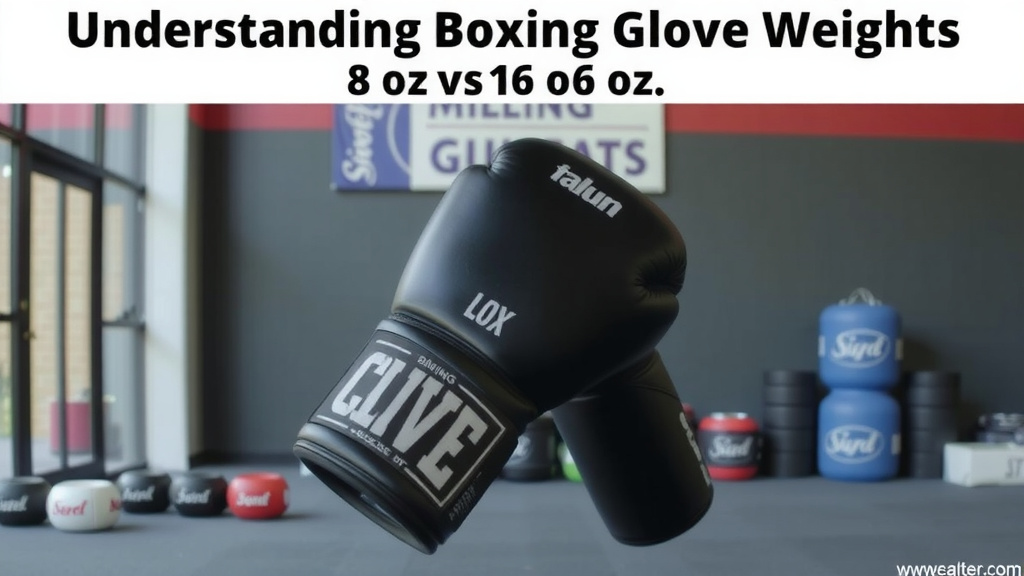
A Quick Comparison: 8 oz vs. 16 oz
To make things super clear, let’s put the main differences side-by-side. We found that understanding these key points can really help you make a decision.
| Feature | 8 oz Gloves | 16 oz Gloves |
|---|---|---|
| Primary Use | Competition (lighter weight classes) | Sparring, Heavy Bag Work, General Training |
| Padding Level | Minimal | Maximum |
| Impact Absorption | Low | High |
| Speed | High | Lower (due to weight) |
| Hand Protection | Lower | Higher |
| Safety for Partner | Lower (for sparring) | Higher (for sparring) |
Beyond the Weight: Other Factors to Consider
While weight is a huge factor, it’s not the only thing. We found that glove fit and material also play a role. Make sure your gloves feel snug but not too tight. They should allow you to make a proper fist. The materials used can affect durability and how well they breathe, keeping your hands drier during intense workouts.
Your personal comfort is also key. What feels good on one person’s hands might not feel right on another’s. It’s always a good idea to try on gloves if you can before buying. If not, read reviews from other users with similar training goals.
Your Glove Selection Checklist
Ready to make a choice? Here’s a quick checklist to help you decide which glove weight is best for you:
- Are you primarily sparring? If yes, lean towards 16 oz.
- Will you be hitting heavy bags or pads often? 16 oz offers great protection.
- Are you a beginner or intermediate boxer? 16 oz is a safe bet for most training.
- Do you have any hand or wrist pain? Heavier gloves offer more support.
- Are you in a specific competition that requires lighter gloves? If so, 8 oz might be for you, but only for that specific purpose.
- What does your coach or gym recommend? Always listen to their advice!
Conclusion
Choosing between 8 oz and 16 oz gloves boils down to your training needs. We found that 16 oz gloves are the superior choice for most sparring and general training. They offer the best protection for your hands and your partner’s safety. For those lighter weight classes in competition, 8 oz gloves might be used, but they are not recommended for everyday training or heavy bag work. Prioritize your long-term hand health and your training partner’s well-being. Now that you understand the differences, make the smart choice for your next glove purchase and train with confidence!
Frequently Asked Questions
Are 8 oz gloves okay for beginners?
We generally do not recommend 8 oz gloves for beginners. They offer minimal padding and can be hard on your hands and wrists. For beginners, it’s best to start with heavier gloves like 16 oz for better protection during practice and bag work.
Can I use 16 oz gloves for bag work?
Yes, absolutely! We found that 16 oz gloves are excellent for heavy bag work. The extra padding provides great protection for your hands and wrists, allowing you to train harder and longer without risking injury.
What glove weight should women use for sparring?
For adult women sparring, 16 oz gloves are typically recommended for safety. While some amateur competitions might use lighter gloves (like 8 oz or 10 oz), for general sparring and training, the added padding of 16 oz gloves is essential for protecting both partners.
Will 16 oz gloves slow down my punches?
While 16 oz gloves are heavier and may feel slightly slower than 8 oz gloves, the difference is usually minor for training purposes. The added weight can even help build strength. For most people, the safety benefits of 16 oz gloves for sparring and training far outweigh any perceived speed reduction.
What about 10 oz or 12 oz gloves?
Gloves in the 10 oz to 12 oz range are often used for training by boxers who want a middle ground between speed and protection, or sometimes for specific pad work. However, for serious sparring where protecting your partner is key, 16 oz gloves remain the standard and safest option.