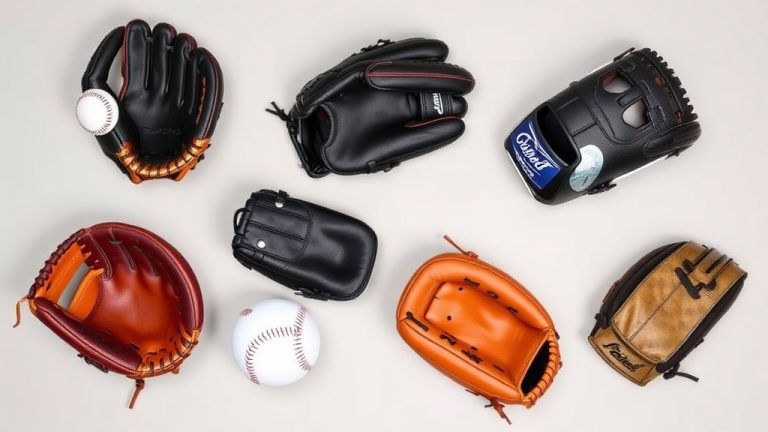
Baseball Glove Sizing Explained: What Size Do You Need
A baseball glove’s size is measured by its length, which is determined by measuring from the tip of the index finger down to the heel of the glove. Most adult gloves range from 11 to 13 inches, with different positions requiring different sizes.
You might be wondering why there’s so much variation. It’s all about function! An outfielder needs a larger glove for catching fly balls, while an infielder requires a smaller one for quicker transfers. The webbing and pocket depth also play a big role in a glove’s performance.
- Baseball glove size is measured in inches from finger tip to heel.
- Adult gloves typically fall between 11 and 13 inches.
- Position on the field influences the best glove size for you.
- Outfielders use larger gloves than infielders.
- Pocket depth and webbing also affect glove usability.
Let’s break down how glove size works for different players and what you should look for when choosing your next glove.
Understanding Baseball Glove Dimensions
So, you’re curious about how baseball glove sizes are actually measured. It’s a pretty straightforward system, thankfully! The standard measurement is taken from the tip of the index finger, all the way down to the heel of the glove. This gives you a clear length in inches.
Why Glove Size Matters for Your Game
You might think a few inches don’t make a big difference. But in baseball, every inch counts! The right glove size can seriously impact your performance. It helps you field balls cleanly and make quicker plays. Let’s dive into why this is so important.
The Right Fit for Different Positions
Different positions on the field have unique demands. This is why glove sizes aren’t one-size-fits-all. Your position dictates the kind of glove that will best suit your needs. Think about it – an outfielder snagging a fly ball needs something different than an infielder scooping up a grounder.
Outfielder Gloves: Bigger is Often Better
For outfielders, the primary goal is to catch fly balls. This often means reaching far and wide. Research and coach recommendations often point towards larger gloves for this reason. A bigger glove offers a larger catching surface. This makes it easier to secure those high-flying balls.
Many outfielders prefer gloves in the 12.5 to 13-inch range. Some might even go a bit larger. The extra length helps them cover more ground. It also provides a deeper pocket. This is key for preventing the ball from popping out after a catch. We found that a common piece of advice is to aim for a glove that feels secure but not unwieldy.
Infielder Gloves: Speed and Agility
Infielders, on the other hand, need to be quick. They deal with fast ground balls and quick transfers to their throwing hand. Smaller gloves help with this. They allow for a more controlled feel of the ball.
Infield gloves typically range from 11 to 11.75 inches. The idea is to have a glove that closes quickly. A smaller glove also means the ball is closer to your hand once caught. This speeds up the process of getting the ball out of the glove for a throw. Many experts suggest that the glove should feel like an extension of your hand.
Catcher’s Mitts: A Special Case
Catchers use something a bit different – a mitt, not a glove. Mitts have no individual finger stalls. They are designed specifically to absorb the impact of pitches. Their size is measured differently, often by circumference. Catchers’ mitts are generally around 32 to 34 inches in circumference. This helps them create a solid target for pitchers.
Pitcher’s Gloves: Control and Concealment
Pitchers often use gloves that are mid-sized. They need a glove that can make a clean catch but also hide their grip on the ball. This is why many pitcher’s gloves feature closed webbing. This prevents opposing batters from seeing what kind of pitch is coming. Pitcher gloves often fall in the 11.5 to 12-inch range.
Factors Beyond Just Length
While length is the primary measurement, other features of a glove play a big role. The way a glove is constructed affects how it performs for you. You can’t just look at the numbers and make a decision.
The Importance of Pocket Depth
The pocket is the area where the ball actually lands inside the glove. A deeper pocket is generally better for catching and securing the ball. Think of it like a little nest for the baseball. For outfielders, a deeper pocket is especially helpful.
We found that a deeper pocket can help prevent errors. It reduces the chance of the ball bouncing out. However, too deep a pocket can make it harder for infielders to transfer the ball quickly. It’s a balance that depends on your playing style and position.
Webbing Styles: More Than Just Decoration
The webbing connects the thumb and index finger of the glove. It’s a key part of the glove’s structure. Different webbing styles affect the glove’s performance. Some are open, allowing for better visibility into the pocket. Others are closed, designed to conceal the ball.
For infielders, an open web can help them see the ball in their glove. This aids in quick transfers. Outfielders might prefer a closed web. This can help with snagging fly balls. Pitchers often use very closed webs to hide their pitches. The type of webbing can greatly influence how you field the ball.
Glove Material and Break-in
The material a glove is made from affects its feel and how it breaks in. Most gloves are made from leather, but the type of leather varies. Full-grain leather is durable but takes longer to break in. Top-grain leather is softer and easier to work with.
We found that a glove’s break-in period is essential. A well-broken-in glove feels like a part of your hand. It’s comfortable and responsive. You can speed up the break-in process, but many suggest a natural break-in for the best results. This ensures the glove molds to your hand perfectly.
Choosing Your Ideal Glove Size
Selecting the right glove size is personal. It depends on your position, your hand size, and your personal preference. There’s no single answer that fits everyone.
A Quick Sizing Guide
Here’s a general guideline to help you start thinking about your glove size:
- Youth Baseball (ages 5-8): 9 to 11 inches
- Youth Baseball (ages 9-12): 11 to 12 inches
- Infielders (Youth/Adult): 11 to 11.75 inches
- Outfielders (Youth/Adult): 12.5 to 13 inches
- Pitchers (Adult): 11.5 to 12 inches
- Catchers (Adult): 32 to 34 inches (circumference)
Your Glove Checklist
When you’re looking for your next glove, keep these points in mind:
- Does it feel comfortable on your hand?
- Can you close it easily around a ball?
- Does the size suit your playing position?
- Is the pocket deep enough for your needs?
- Does the webbing type work for your game?
- Are you prepared for the break-in process?
Conclusion
You now understand that a baseball glove’s size is more than just a number. It’s about finding the right tool for your specific role on the field. From the outfielder’s broad reach to the infielder’s quick transfers, each position has unique demands that glove dimensions help meet. Remember to consider pocket depth and webbing too. These factors work with size to create your ideal fielding partner. Your next step is to get your hands on a few gloves. Feel how they fit and move. This personal experience will guide you to the glove that truly feels like an extension of your own hand.
Frequently Asked Questions
What is the standard baseball glove size for an adult?
For adult players, baseball gloves typically range from 11 inches to 13 inches in length. The ideal size often depends on your position. Outfielders generally prefer larger gloves, while infielders might opt for slightly smaller ones.
How does a player’s position affect their glove size?
Your position dictates the best glove size for optimal performance. Outfielders need larger gloves for catching fly balls, so they often use 12.5 to 13-inch gloves. Infielders need speed and agility, so they typically use smaller gloves between 11 and 11.75 inches.
Are catcher’s mitts measured the same way as fielders’ gloves?
No, catcher’s mitts are measured differently. Instead of length, they are measured by circumference, usually falling between 32 and 34 inches. Their design is unique, lacking finger stalls, to absorb the impact of fast pitches.
Why do pitchers sometimes use gloves with closed webbing?
Pitchers often use gloves with closed webbing to conceal their grip on the ball. This prevents opposing batters from knowing what type of pitch is coming. It aids in maintaining a strategic advantage during the game.
Can a glove be too big or too small for a player?
Yes, a glove that is too large can hinder quick transfers for infielders, while a glove that is too small might not provide enough surface area for outfielders to catch fly balls effectively. Finding the right balance based on your position and comfort is key.