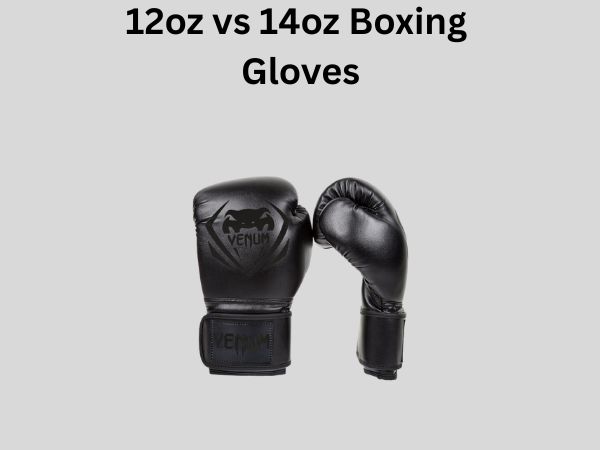
12oz vs 14oz Boxing Gloves: The Complete Training and Sparring Guide
When you’re standing in front of a boxing glove display, staring at all those options, you might feel a bit overwhelmed. Should you grab the 12-ounce pair or reach for the 14-ounce ones? It’s one of those decisions that seems small on the surface but can genuinely impact your training experience, your safety, and how well you progress as a boxer. I’m here to walk you through this decision with you, breaking down everything you need to know about these two popular glove weights.
Understanding Boxing Glove Weight Basics
Let me start with the fundamentals, because honestly, a lot of boxers don’t really understand what they’re buying. The weight of a boxing glove—whether it’s 12 ounces, 14 ounces, or anything in between—refers to the total weight of one glove. Not two gloves combined, just one. This is a detail that surprises some people, but it’s crucial for understanding what you’re actually getting.
Think of it like buying dumbbells. If someone tells you they’re lifting 20-pound weights, they mean each dumbbell weighs 20 pounds, not both combined. Same principle applies here. When you put on a pair of 12oz gloves, you’re essentially adding 24 ounces of weight total to your hands and wrists—12 on each side.
Why Does Glove Weight Matter So Much?
The weight of your gloves affects everything from how fast your hands move to how much cushioning protects your knuckles. It influences your conditioning, your offensive speed, and your defensive reflexes. Choosing between 12oz and 14oz isn’t just a preference—it’s a decision that shapes your entire boxing experience.
What Does Ounce Weight Actually Mean?
Here’s where things get interesting. The ounce measurement doesn’t just tell you how heavy the gloves are in your hands. It specifically indicates the padding thickness and material density inside the glove. A heavier glove means more padding, which means more cushioning between your fist and your opponent’s face or body.
The padding inside a boxing glove is typically made from horsehair, foam, or a combination of both. When manufacturers say a glove is 14 ounces, they’re telling you there’s more of this protective material packed into that glove compared to a 12-ounce version. It’s not rocket science, but it does have real, tangible effects on your training.
The Physics Behind the Weight
Heavier gloves slow down your hand speed slightly because of the additional mass your arms and shoulders have to move. However, they also reduce the impact force that travels through your hands when you hit something. It’s a trade-off that boxers have been debating for decades, and there’s no one-size-fits-all answer.
12oz Boxing Gloves: Who Should Use Them?
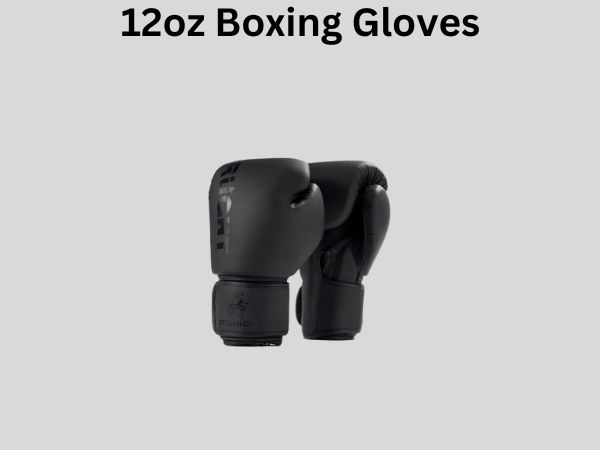
If you’re someone who values hand speed and quicker combinations, 12-ounce gloves might be your best friend. These lighter gloves let you throw more punches in rapid succession without feeling like you’re swinging weights around. They’re responsive, they feel nimble, and they reward faster reflexes.
Twelve-ounce gloves are commonly used by professionals, particularly in championship fights. Why? Because professional boxers have already developed exceptional technique, hand speed, and striking power. They don’t need extra cushioning as much as they need the ability to move quickly and exploit openings in their opponent’s defense.
Perfect Scenarios for 12oz Gloves
- You’re an experienced boxer with solid technique
- You’re training for speed and footwork development
- You’re preparing for professional competition
- You weigh less than 140 pounds and need appropriately sized gear
- You’re focusing on combination work and counter-punching
- You want to reduce fatigue during extended training sessions
The Hand Speed Advantage
There’s something satisfying about throwing combinations with 12oz gloves. Your hands feel lighter, more responsive, more alive. You can snap out jabs and crosses with less effort, and your defensive movements—slipping, rolling, bobbing—feel more natural. This is why serious competitors prefer them once they’ve mastered their fundamentals.
14oz Boxing Gloves: Benefits and Best Uses
Now let’s talk about the heavier side of this equation. Fourteen-ounce gloves are the training standard for many gyms, especially those focused on developing amateur boxers and hobbyists. The extra two ounces might not sound like much, but that additional padding provides noticeable benefits for certain training scenarios.
If you think of 12oz gloves as the sports car of boxing—sleek, fast, and built for performance—then 14oz gloves are more like a truck. They’re built for protection, durability, and doing serious work over extended periods. They’re the practical choice for a lot of boxers, and there’s absolutely nothing wrong with that.
When 14oz Gloves Shine
- During intense sparring sessions with multiple partners
- When training as a heavyweight or bigger fighter
- If you’re newer to boxing and still developing technique
- For bag work and pad work that lasts several rounds
- When hand and wrist injury prevention is a priority
- During long training camps or multiple daily sessions
The Protection Factor
The most compelling reason to choose 14oz gloves is protection. The additional padding absorbs more impact energy, which means your hands, wrists, and the people you’re hitting experience less concentrated force. If you’re sparring regularly—which you should be if you want to develop as a boxer—those extra two ounces can make a meaningful difference in reducing injury risk over time.
Comparing Protection Levels
Let’s get specific about what happens when you compare the protection these two glove weights actually provide. This is where the rubber meets the road, and understanding the differences can help you avoid unnecessary injuries.
When you throw a punch with 12oz gloves, the force of that punch is distributed across a smaller padding area. This concentrates the impact more intensely on whatever you’re hitting—whether that’s a heavy bag, a speed bag, or unfortunately, another person’s face during sparring. With 14oz gloves, that same punch force gets distributed across a larger, denser padding structure.
Impact on Your Hands
Your hands are intricate structures containing 27 bones, numerous tendons, and delicate tissue that can be easily damaged. Boxers who use lighter gloves over many years sometimes develop arthritis or chronic hand pain. This isn’t inevitable—proper technique matters enormously—but the risk is lower with heavier gloves. The additional padding acts like a shock absorber for your own skeleton.
Impact on Your Opponents
There’s an ethical component here too. If you’re sparring with partners, whether they’re your friends at the gym or training partners helping you prepare for competition, you want to consider their safety. Fourteen-ounce gloves are generally considered the minimum for safe sparring, especially among amateurs. Using 12oz gloves for sparring with non-professionals can increase concussion risk and other head injuries for your partner.
Impact on Hand Speed and Performance
Now we get to the performance equation. Hand speed matters in boxing. It matters a lot. When you can throw faster, you can throw more combinations, exploit openings quicker, and make your opponent miss more often. The question is: how much does the two-ounce difference actually affect your speed?
Honestly, the effect is smaller than many boxers think, especially if you’re not already at an elite level. A beginner or intermediate boxer might notice a bit more fatigue with 14oz gloves after several rounds, but they won’t be significantly slower. The difference becomes more noticeable as your fitness level and experience increase.
The Conditioning Component
Here’s something interesting: training with heavier gloves actually builds better conditioning and stronger arms and shoulders. When you’ve gotten used to 14oz gloves, switching to 12oz makes you feel like you’re floating. This is why some coaches recommend beginners train with slightly heavier gloves—it develops your foundation, and then when you move to lighter gloves, you feel faster and more explosive.
Real-World Speed Differences
The actual speed reduction from using 14oz instead of 12oz is minimal in absolute terms. We’re talking maybe five to ten percent slower on average, and that’s before your nervous system adapts. After a couple of weeks of training with 14oz, your body adjusts and compensates. You might never notice the difference once you’re used to them.
Training Goals and Your Glove Choice
Your selection between these two weights should ultimately be driven by what you’re trying to accomplish. Are you building general fitness? Preparing for amateur competition? Working toward professional boxing? Training for self-defense? Each goal has a different optimal answer.
For General Fitness Training
If you’re boxing primarily for exercise and cardiovascular health, 14oz gloves are probably your better choice. You’ll get a fantastic workout, you’ll stay safer, and you won’t feel limited by the equipment. The slight weight difference becomes irrelevant when your goal isn’t to perfect technique or maximize speed.
For Amateur Competition
Amateur boxing rules typically specify 10oz or 12oz gloves depending on weight class. So if you’re planning to compete in amateur boxing, you’ll need to train regularly with the glove weight your competitions will use. This usually means 12oz for heavier weight classes. Training with slightly heavier gloves is still beneficial, but you need to practice with competition gloves regularly.
For Professional Boxing
Professional boxers in championship bouts typically use 8oz to 10oz gloves depending on weight class. However, during training camp, many pros do bag work and mitts with heavier gloves to build power and conditioning, then switch to lighter gloves for sparring and technical work. This mixed approach gives them the best of both worlds.
Sparring Safety Considerations
Sparring is where glove weight becomes a serious safety issue, and I want to be frank about this. If you’re going to spar—and you should, because sparring is essential for developing as a boxer—you need to be thoughtful about glove selection.
The rule of thumb in most gyms is that sparring partners should wear at least 14oz gloves, and many gyms require 16oz or even heavier gloves depending on training intensity. This isn’t being overly cautious; it’s being responsible. The brain is precious, and concussions have long-term consequences that aren’t fully appreciated by many young boxers.
Light vs. Heavy Sparring
Light technical sparring—where both partners focus on technique, movement, and light contact—might be safer with 12oz gloves in some contexts. But hard sparring? Absolutely use 14oz minimum, preferably 16oz. The difference between getting hit with a 12oz glove and a 16oz glove, when someone’s throwing full power, is substantial.
Partner Considerations
Before you spar with anyone, agree on glove weight together. A considerate training partner will adapt their glove choice to create a safe environment for both of you. If someone insists on using lighter gloves for hard sparring, that’s a red flag about their judgment and their regard for your safety.
Professional vs. Amateur Requirements
Let’s look at what the actual rulebooks say, because regulations are a concrete factor in your decision.
Amateur Boxing Standards
Most amateur boxing organizations specify glove weights based on the fighter’s weight class. Lighter weight classes (up to 152 pounds typically) use 10oz gloves, while heavier classes use 12oz. Some amateur organizations have different standards, so you’ll want to check with your local sanctioning body if you’re planning to compete.
Professional Boxing Standards
Professional boxing is even more specific. Championship fights specify exact glove weights: typically 8oz for lighter weight classes and 10oz for heavier ones. Non-title professional bouts might allow slightly different specifications depending on the promoter and sanctioning organization.
Training Implications
If you’re training to compete at any level, you need to incorporate regular training sessions with the exact gloves you’ll be fighting in. You can’t rely solely on heavier training gloves and expect to perform well in lighter competition gloves. Your timing, speed, and muscle memory all need to be calibrated to the gear you’ll actually use in competition.
Price and Value Comparison
Let’s talk money, because budget is a reality for most people.
Generally speaking, 12oz gloves are slightly cheaper than 14oz gloves from the same manufacturer. The difference is usually around ten to twenty dollars, which isn’t huge, but it’s worth noting. You’re paying a bit of a premium for the extra padding in 14oz gloves.
Durability and Longevity
Here’s the interesting part: 14oz gloves often last longer than 12oz gloves. The extra padding material takes longer to break down under the stress of heavy bag work and sparring. So while you might pay a bit more upfront for 14oz gloves, you might get more years of use from them, which improves the overall value.
Budget Considerations
If budget is tight, 12oz gloves are a reasonable purchase as long as you understand their limitations. Use them for pad work, bag work, and light technical work, but invest in heavier gloves for serious sparring. Many boxers own multiple pairs of gloves for different purposes anyway.
Comfort and Fit Factors
The comfort of your gloves matters more than some people realize, because uncomfortable gear can sabotage your training.
Weight Distribution
Twelve-ounce gloves distribute their weight differently than 14oz gloves. Some people find 12oz gloves feel more balanced and natural, while others think 14oz gloves provide better wrist support and a more stable platform. This is partly personal preference and partly related to your hand size and wrist strength.
Wrist Support
The slightly heavier construction of 14oz gloves sometimes provides better wrist support, especially if you’re still developing proper punching technique. The extra padding can help stabilize your wrist during impact, which is protective and also helps you learn to keep your wrist straight when you punch.
Break-In Period
Most boxers report that 14oz gloves take a bit longer to break in. The