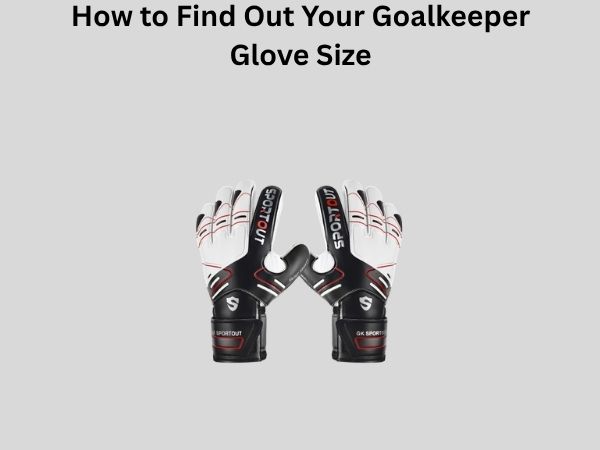
The Keeper’s Manual: How to Find Out Your Goalkeeper Glove Size
Have you ever pulled on a pair of goalkeeper gloves only to find they feel like you’re wearing oven mitts or, conversely, like they’re cutting off your circulation? You’re not alone. Getting the right glove size is one of the most overlooked aspects of goalkeeper preparation, yet it’s absolutely crucial for your performance on the field. In this comprehensive guide, we’re going to walk you through everything you need to know about finding your perfect goalkeeper glove size.
Understanding Why Goalkeeper Glove Size Matters
Think of goalkeeper gloves like the relationship between a pianist and their instrument. Just as a pianist needs the perfect fit to execute complex movements, a goalkeeper needs gloves that fit just right to catch, punch, and distribute the ball with confidence. Ill-fitting gloves can compromise your ability to grip the ball, reduce your reaction time, and even lead to hand injuries.
The stakes are high when you’re guarding the goal. Your gloves are your first line of defense against powerful shots and awkward passes. They need to feel like an extension of your hands, not a burden strapped to them.
The Basics: How Goalkeeper Glove Sizing Works
Unlike regular gloves you might buy at a department store, goalkeeper gloves operate on a specific sizing system. The size doesn’t refer to your hand measurements in the traditional sense. Instead, it’s based on the circumference of your hand at the widest point, typically measured across your knuckles and palm.
Standard Goalkeeper Glove Sizes Explained
Goalkeeper glove sizes typically range from size 6 to size 11, though some brands offer extended ranges. Here’s what these sizes generally correspond to:
- Size 6-7: Children and younger players with smaller hands
- Size 7-8: Teenagers and small-handed adults
- Size 8-9: Average adult hands
- Size 9-10: Larger adult hands
- Size 10-11: Extra-large hands
But here’s the thing—sizing isn’t universal across all manufacturers. What’s a size 9 in one brand might feel different from a size 9 in another. This is why measuring your hand properly is absolutely essential.
Method 1: The Hand Circumference Measurement
This is the gold standard for determining your glove size, and you can do it right at home with nothing more than a measuring tape or even a piece of string.
Step-by-Step Measurement Process
Here’s exactly how to measure your hand properly:
- Start with your hand relaxed and open, not clenched into a fist
- Wrap your measuring tape around your hand at the widest point, which is typically across your knuckles (just below your fingers)
- Make sure the tape is snug but not tight—you shouldn’t be able to squeeze an extra finger under it
- Record the measurement in centimeters or inches
- Repeat the process with your other hand, as they may differ slightly
- Use the measurement from your dominant hand as your reference point
If you’re using a piece of string instead of a measuring tape, mark where the string ends when wrapped around your hand, then measure that string against a ruler.
Converting Your Measurement to Glove Size
Once you have your measurement, here’s a general conversion guide:
- 15-17 cm (6-6.5 inches) = Size 6
- 17-19 cm (6.5-7.5 inches) = Size 7
- 19-21 cm (7.5-8.25 inches) = Size 8
- 21-23 cm (8.25-9 inches) = Size 9
- 23-25 cm (9-9.75 inches) = Size 10
- 25+ cm (9.75+ inches) = Size 11
Keep in mind these are approximations. Different brands have slightly different sizing charts, which is why we’ll discuss additional methods as well.
Method 2: Using Your Age and Hand Development
Your age and stage of physical development can provide helpful clues about your likely glove size, though it shouldn’t be your only consideration.
Age-Based Sizing Guide
While every person develops differently, here’s a general framework:
- Young children (Under 8): Sizes 6-7
- Children (8-12): Sizes 7-8
- Teenagers (13-18): Sizes 8-9
- Adult men: Sizes 9-11
- Adult women: Sizes 7-9
However, don’t use this as your definitive guide. I’ve seen tall teenagers who need adult-sized gloves and adults with smaller hands who wear youth sizes. Your actual hand measurement trumps age every single time.
Method 3: The Fit Test with Existing Gloves
If you already own a pair of goalkeeper gloves that fit reasonably well, you can use them as a reference point.
Comparing Against Known Sizes
Check the size marked inside your current gloves and think about how they feel:
- If they’re too snug and restrict movement, size up
- If they’re too loose and slip around, size down
- If they fit perfectly, replicate that size with your new purchase
This method works best when you’re shopping for gloves from the same brand. Switching brands often requires reassessing your size.
What Proper Fit Actually Feels Like
Now that you know how to measure, let’s talk about what you’re actually aiming for. A properly fitting goalkeeper glove should feel like a second skin, not a constraint.
The Comfort Checklist
When you try on gloves, check these criteria:
- Your fingers should reach the end of the finger compartments without being compressed
- There should be minimal bunching of material around your wrist and hand
- You should be able to bend your fingers and make a fist without excessive tightness
- The palm area should feel secure against your skin without cutting off circulation
- You should have full range of motion for catching and throwing
- The glove should feel snug enough that it won’t shift during active play
Think of it this way: your glove should hug your hand like a close friend’s hand in yours, not strangle it like an angry octopus.
Red Flags That Indicate Poor Fit
Watch out for these warning signs:
- Numbness or tingling in your fingers after wearing them for a few minutes
- Gaps between your fingers and the finger sections of the glove
- Excessive material around your wrist that creates a bulge
- Difficulty spreading your fingers apart
- The glove slipping down your hand when you relax your grip
If you notice any of these issues, the size isn’t right for you.
Accounting for Glove Padding and Design
Here’s something many people don’t realize: the same size glove can feel different depending on the padding thickness and design.
How Different Glove Types Affect Sizing
Various goalkeeper glove styles have different characteristics:
- Flat palm gloves have minimal padding and typically feel tighter
- Roll finger gloves have extended finger sections that might require a size adjustment
- Negative cut gloves (seams on the outside) provide a snugger fit overall
- Classic cut gloves offer more generous sizing throughout
- Hybrid cut designs blend different cutting techniques with varying fit profiles
When switching between different glove cuts or brands, you might need to adjust your size. A brand known for generous padding might require you to size down compared to a brand with minimal padding.
Brand-Specific Sizing Variations
The goalkeeper glove market is dominated by several major brands, and each has developed its own sizing philosophy.
Comparing Major Manufacturers
Different brands approach sizing differently:
- Some brands run generous and roomy throughout the hand
- Others maintain a tight, snug fit designed for maximum control
- Premium brands often have more consistent sizing across their product lines
- Budget brands sometimes have wider variations between sizes
Before purchasing from a new brand, check their specific sizing chart on their website. Many manufacturers provide detailed measurement guidelines that supersede generic sizing standards.
The Importance of Trying Before You Buy
Whenever possible, try gloves on in person before purchasing them. This is especially true if you’re buying from a brand or cut you’ve never worn before.
What to Do at the Pro Shop
When visiting a specialty soccer shop:
- Bring both hands so you can compare how each glove feels
- Ask the staff about the specific sizing and fit of different models
- Try on multiple sizes to understand the progression
- Simulate catching movements with your hands to test functionality
- Wear the gloves for at least a few minutes to assess comfort
- Ask about their return policy in case the fit isn’t right once you’ve worn them
A knowledgeable staff member at a quality pro shop is invaluable. They deal with goalkeeper gear daily and can often identify sizing issues you might miss on your own.
Online Shopping: Minimizing the Risk
Not everyone has access to a brick-and-mortar shop, and that’s okay. Online shopping for goalkeeper gloves is entirely viable if you do it smartly.
Best Practices for Buying Online
To reduce the chance of getting the wrong size:
- Always check the specific brand’s sizing chart before ordering
- Read customer reviews, paying special attention to fit feedback
- Look for retailers with generous return policies
- Order from multiple sizes if available, so you can compare
- Contact the seller if you’re between sizes and ask for their recommendation
- Keep the receipt and packaging in case you need to return items
Many online retailers offer free returns or exchanges, which takes the risk out of ordering.
Adjusting Your Measurement for Different Circumstances
There are times when you might need to adjust your standard sizing based on specific situations.
Special Considerations
Think about these scenarios:
- If you play in cold weather, you might layer glove liners underneath, requiring a half-size larger glove
- If you’re prone to hand swelling, consider sizing up slightly for comfort
- If you’re still growing (common in young goalkeepers), size up to allow for hand development
- If you have unusually wide hands but normal-length fingers, you might need a larger size overall
- If you have a recent hand injury or arthritis, prioritize comfort over performance and size up if needed
These aren’t hard rules, but they’re worth considering based on your individual circumstances.
The Transition Period: Getting Used to New Gloves
Even when you’ve found the right size, new gloves need a break-in period. This is completely normal.
What to Expect During Break-In
Your new gloves might feel slightly uncomfortable for the first few training sessions. Here’s what’s typical:
- The latex or synthetic materials haven’t molded to your hands yet
- Seams might feel pronounced until they soften slightly
- The padding might feel firmer than your old gloves
- Your hands might sweat slightly more as they adjust
This is different from poor sizing. A sizing problem shows up immediately and doesn’t improve with wear. Break-in discomfort usually resolves within a few training sessions.
Maintaining Your Gloves for Longevity
Once you’ve found the perfect size, you’ll want to keep those gloves in good condition.
Care Tips That Preserve Fit
Proper maintenance ensures your gloves stay comfortable:
- Rinse your gloves with fresh water after every session to remove salt and dirt
- Air dry them completely before wearing again—never use direct heat
- Store them in a cool, dry place away from direct sunlight
- Consider using a glove bag or mesh container to help them maintain their shape
- Avoid folding or creasing them unnecessarily when storing
Well-maintained gloves keep their fit and last much longer than neglected ones.
Conclusion
Finding the right goalkeeper glove size isn’t rocket science, but it does require a bit of attention and care. Start with an accurate hand measurement, compare it against brand-specific sizing charts, and whenever possible, try before you buy. Remember that a properly fitting glove should feel secure and comfortable without restricting your movement or cutting off circulation. The fit should be snug like a close friend’s hand in yours, not constrictive like a vice. Don’t assume that your size is universal across all brands—different manufacturers have different philosophies about fit and padding. When in doubt, consult with knowledgeable staff at specialty shops or take advantage of generous return policies from online retailers. Your glove size might change as you grow, so don’t hesitate to re-measure every season or two. Finally, understand that finding your perfect size is an investment in your performance and safety on the field. The time you spend getting this right will pay dividends in confidence and consistency every time you step between those posts.
Frequently Asked Questions
Can my hand size vary enough to warrant different glove sizes, or should I stick with one size?
Your hand size can actually fluctuate slightly throughout the day due to temperature, hydration, and activity level. Some people experience hand swelling after training or in hot weather. For this reason, it’s wise to measure your hand in the morning when it’s at its baseline size. However, your natural hand size should remain relatively consistent over time unless you’re a growing child or teenager. That said, if you’re between sizes, choosing the larger size provides more flexibility and comfort.
What’s the difference between men’s and women’s goalkeeper glove sizing?
Goalkeeper glove sizing is based purely on hand circumference, not gender. There