Cycling Gloves vs Weight Lifting Gloves: What’s Best for You
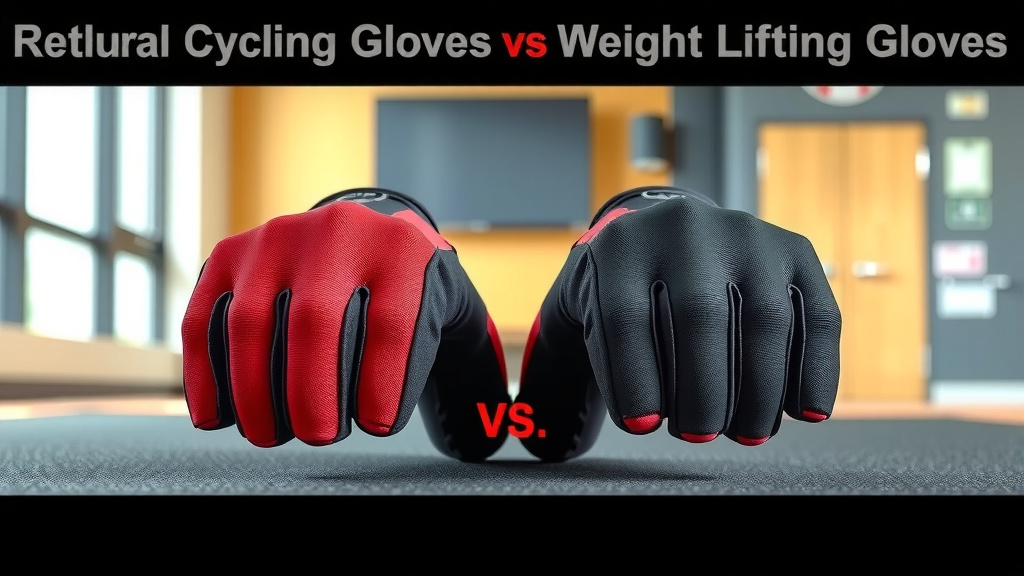
When choosing between cycling gloves and weight lifting gloves, the main difference is their primary purpose. Cycling gloves are designed for comfort and control on a bike, focusing on grip and shock absorption. Weight lifting gloves are built for protection and grip during heavy lifting, preventing calluses and enhancing your hold on weights. They are not interchangeable for their intended activities.
While both types of gloves aim to improve your grip and protect your hands, their designs cater to very different demands. Cycling gloves often feature padding for the hands that constantly hit the handlebars. Weight lifting gloves prioritize palm coverage and a secure fit around the wrist for stability. Understanding these differences helps you pick the right gear for your workout or ride.
- Cycling gloves focus on bike-specific grip and shock absorption.
- Weight lifting gloves are for hand protection and grip during lifting.
- Padding and materials differ based on their intended use.
- Using the wrong glove can hinder performance and cause discomfort.
Let’s break down exactly what makes each type of glove unique and how to decide which one is best for your needs.
Comparing Cycling Gloves and Weight Lifting Gloves
So, you’re wondering about the differences between cycling gloves and weight lifting gloves? It’s a great question! While they both cover your hands, their jobs are quite different. Think of it like comparing a chef’s knife to a carpenter’s saw – both are tools, but for totally different tasks.
Cycling Gloves: For the Open Road (or Trail!)
Cycling gloves are all about making your ride comfortable and controlled. When you’re on a bike, your hands are in a fixed position for a long time. This can lead to numbness and pain. Cycling gloves aim to fix that.
Padding for the Palms
One of the most obvious features of cycling gloves is their padding. This padding is usually concentrated on the palm, right where your hand rests on the handlebars. It acts as a shock absorber, soaking up vibrations from the road or trail. This helps prevent hand fatigue and can make longer rides much more enjoyable. Many studies show that vibration can lead to nerve issues over time (NCBI).
Grip Enhancement
Good grip is super important for cycling. You need to steer precisely and brake confidently. Cycling gloves often have textured palms, sometimes made of silicone or synthetic leather, to give you a firmer hold on your handlebars. This is especially helpful when your hands get sweaty.
Breathability and Protection
Cyclists can face various weather conditions. Cycling gloves are often made with breathable materials, like mesh, to keep your hands cool in the summer. In cooler weather, you can find insulated versions. They also offer a bit of protection against scrapes if you happen to take a spill. The back of the hand might have more durable fabric for this reason.
Weight Lifting Gloves: For Serious Iron
Weight lifting gloves have a singular focus: protecting your hands and improving your grip when you’re lifting heavy weights. They are built to withstand the friction and pressure of barbells, dumbbells, and machines.
Palm Protection and Callus Prevention
This is where weight lifting gloves really shine. The primary goal is to prevent calluses and blisters. The constant rubbing of metal weights against your skin can be tough. Weight lifting gloves provide a barrier, usually made of leather or a durable synthetic material, to protect your palms. Many gym-goers find this makes a huge difference in their training comfort (Cleveland Clinic).
Enhanced Grip on Weights
While cycling gloves offer grip on handlebars, weight lifting gloves offer grip on weights. They often feature a tacky material on the palm. This helps you get a secure hold on the bar, allowing you to focus on your lift rather than worrying about slipping. A good grip can mean lifting more weight safely.
Wrist Support
Many weight lifting gloves come with built-in wrist straps. These straps provide extra support and stability for your wrists, especially during heavy compound lifts like squats and deadlifts. This can help reduce strain and improve your lifting form. It’s like having a little extra insurance for your wrists.
Durability and Construction
Weight lifting gloves are designed to be tough. They need to handle the abrasion from metal and the pressure of heavy lifts. The stitching is usually reinforced, and the materials are chosen for their strength and longevity. You want gloves that will last through many tough workout sessions.
Key Differences at a Glance
Let’s quickly recap the main distinctions:
| Feature | Cycling Gloves | Weight Lifting Gloves |
|---|---|---|
| Primary Purpose | Comfort, shock absorption, grip on handlebars | Palm protection, callus prevention, grip on weights, wrist support |
| Padding Location | Palms (strategic for handlebar contact) | Palms (full coverage) |
| Wrist Support | Generally minimal, focus on flexibility | Often includes straps for added support |
| Materials | Breathable fabrics, mesh, synthetic leather, gel padding | Durable leather, reinforced stitching, often with wrist straps |
| Flexibility | High flexibility for handlebar control | Sturdier, designed for grip and protection, may be less flexible |
Making the Right Choice for You
Choosing between these two types of gloves really boils down to your activity. Are you heading out for a bike ride, or are you planning a heavy lifting session at the gym? Trying to use one for the other’s job just won’t work well.
Using weight lifting gloves for cycling might feel bulky and restrict your finger movement, making it hard to brake or shift gears. On the flip side, cycling gloves generally don’t offer enough palm coverage or wrist support for serious weightlifting. You might find they wear out quickly and don’t provide the necessary protection against calluses.
Think about what you need most::
- Comfort on long rides? Look for cycling gloves with good padding.
- Preventing painful blisters? Weight lifting gloves are your best bet.
- Need extra wrist stability for heavy lifts? Weight lifting gloves with straps are key.
- Want better control on your bike? Cycling gloves offer that precision grip.
Ultimately, the best glove is the one designed for your specific activity. Both types can improve your experience and protect your hands, but only when used as intended. Happy riding, and happy lifting!
Conclusion
You’ve learned that cycling gloves and weight lifting gloves serve very distinct purposes. Cycling gloves prioritize comfort, shock absorption, and precise grip for your handlebars. Weight lifting gloves focus on protecting your palms, preventing calluses, and offering wrist support during strenuous lifts. Trying to swap them won’t give you the best results and could even lead to discomfort or injury. Your best bet is to choose gloves specifically designed for the activity you’re doing.
So, next time you gear up, remember to grab the right tool for the job. If you’re hitting the road or trail, reach for your cycling gloves. If you’re heading to the gym for a heavy session, your weight lifting gloves are waiting. Your hands will thank you for it!
Frequently Asked Questions
Can I use weight lifting gloves for cycling?
Generally, no. Weight lifting gloves are often too bulky and stiff for cycling. They can hinder your finger movement, making it difficult to brake or shift gears effectively. You’ll likely find they reduce control and comfort on your bike.
Are cycling gloves good for preventing calluses during weightlifting?
Cycling gloves usually don’t offer enough palm coverage or durability for weightlifting. While they have padding, it’s designed for vibration absorption, not the direct friction of metal weights. You’re more likely to get calluses and wear out your cycling gloves quickly.
Do I really need gloves for either activity?
It depends on your intensity and personal preference. For casual rides or lighter lifting, gloves might not be essential. However, for longer bike rides with frequent hand contact or heavy lifting sessions, gloves can significantly improve comfort, grip, and hand health by preventing issues like blisters and calluses.
What if my hands sweat a lot when cycling?
Look for cycling gloves specifically designed for breathability. Many feature mesh panels on the back of the hand and moisture-wicking materials on the palm. Some also include terry cloth patches on the thumb for wiping sweat from your brow.
Is wrist support in weight lifting gloves always necessary?
Wrist support is most beneficial for heavy compound lifts like squats, deadlifts, and overhead presses. If you’re lifting very heavy weights, the extra stability can help protect your wrists from strain. For lighter workouts or isolation exercises, it might be less critical.