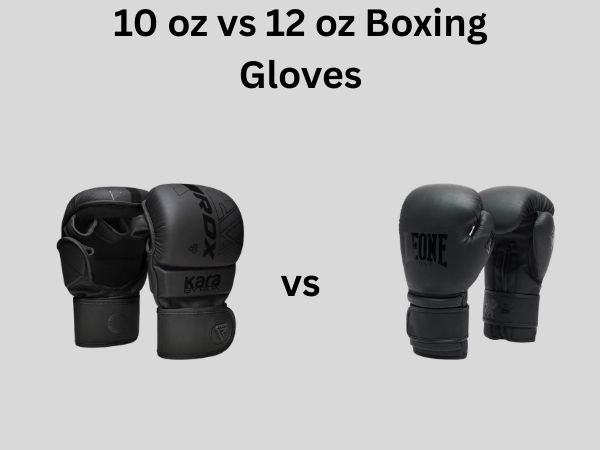
10 oz vs 12 oz Boxing Gloves: The Complete Beginner to Pro Buying Guide
When you’re stepping into the boxing ring for the first time, or even if you’ve been training for years, choosing the right glove weight can feel like you’re decoding a secret language. Should you go with 10 oz or 12 oz? What’s really the difference, and does it actually matter? I’m going to walk you through everything you need to know to make an informed decision that suits your training style, experience level, and goals.
Understanding Boxing Glove Ounce Measurements
Let me start with the basics. When we talk about boxing glove ounces, we’re not talking about the total weight of the glove you’re holding. I know that sounds confusing, but bear with me. The ounce measurement refers to the weight of the padding itself, specifically around the strike zone. Think of it like this: if you’re buying a mattress, the firmness number doesn’t tell you the entire story about comfort. Similarly, glove ounces indicate the amount of protective cushioning, not the complete weight you’ll feel on your hands.
A 10 oz glove is lighter and more responsive, while a 12 oz glove provides additional padding and protection. The difference might seem small on paper, but when you’re throwing combinations for twelve rounds, you’ll definitely feel the distinction. It’s kind of like comparing a lightweight running shoe to a more cushioned training shoe—both work, but they serve different purposes.
Key Differences Between 10 oz and 12 oz Boxing Gloves
Weight and Feel
The most obvious difference is weight. A 10 oz glove typically weighs around 8-10 ounces per glove, while a 12 oz glove weighs approximately 10-12 ounces. This two-ounce difference might not sound like much until you’re wearing them. Your hands will fatigue differently, and your arm speed will be affected. With 10 oz gloves, you’ll experience faster hand speed and quicker recovery between combinations. With 12 oz gloves, you’ll notice your hands tire a bit more, but your punches feel more grounded.
Padding Distribution
Here’s where things get interesting. 12 oz gloves typically have more densely packed padding throughout the entire glove. This extra cushioning is concentrated around your knuckles and the back of your hand. The 10 oz gloves have less padding, which means more of the force transfers directly to your target. For pad work and heavy bag training, this is actually beneficial because you get better feedback on your technique. But for sparring, especially when you’re taking shots, that extra padding in 12 oz gloves becomes your best friend.
Beginners: Which Weight Should You Start With?
If you’re just stepping into a boxing gym for the first time, here’s my honest recommendation: start with 12 oz gloves. I know you might be tempted by the sleeker, lighter 10 oz option, but trust me on this. Your hands need protection as you’re developing your technique, and the heavier gloves force you to focus on proper form rather than relying on speed.
Why 12 oz Is Ideal for New Boxers
When you’re learning, you’re making mistakes. Your footwork might be off, your head movement inconsistent, and your timing unreliable. The extra padding in 12 oz gloves absorbs more impact, protecting both your hands and your sparring partner. Plus, these heavier gloves actually help you develop stronger shoulders and better overall conditioning. It’s like strength training for your upper body.
Another benefit is durability. Beginner boxers tend to be harder on their equipment because they haven’t yet refined their technique. The 12 oz gloves, with their extra padding, tend to last longer through the inevitable wear and tear of learning.
Starting Your Training Routine
- Use 12 oz gloves for mitt work with your coach
- Practice heavy bag training in 12 oz to build power and endurance
- Spar exclusively in 12 oz until you’ve completed at least 20 rounds with experienced partners
- Don’t rush into lighter gloves just because you see pros using them
Intermediate Fighters: Finding Your Sweet Spot
Once you’ve logged some quality time in the ring and your technique is becoming more refined, this is when things get interesting. You’ve developed better control, your footwork is more consistent, and you understand how to protect yourself. This is the stage where many fighters start experimenting with 10 oz gloves.
Transitioning from 12 oz to 10 oz
The transition isn’t something you should rush into, and it’s definitely not something you should do overnight. I recommend spending a few weeks alternating between training sessions in both weights. Use 12 oz for sparring and 10 oz for mitt work and bag training. This helps your hands acclimate to the lighter feel while still maintaining protective measures during contact-heavy sessions.
When you do make the full switch, you’ll notice your combinations feel snappier. Your hands recover faster between strikes, and you can throw more combinations in the same timeframe. It’s exhilarating at first, but remember that this speed advantage comes with a trade-off: less padding means more impact on your hands and wrists.
How to Know You’re Ready
- You’ve completed at least 50 rounds of sparring safely
- Your coaches agree you have solid defensive skills
- You’re not experiencing hand or wrist pain during training
- Your technique has become second nature, not something you’re consciously thinking about
- You’ve demonstrated good head movement and distance management
Advanced and Competitive Boxers: Making the Professional Choice
Now we’re talking about fighters who’ve put in serious work. If you’re competing at a high level or considering amateur or professional boxing, this section is for you. At this point, the choice between 10 oz and 12 oz becomes less about safety and more about strategic preference.
Competition Weight Regulations
Here’s something important: different boxing organizations have different regulations regarding glove weights. Most amateur boxing associations require 10 oz for fighters up to certain weight classes and 12 oz for heavier divisions. Professional boxing has its own set of rules that vary depending on the governing body and the specific weight class of the fighters involved. Before you commit to a particular glove weight for competition, check the specific rules of the organization you’ll be competing in.
Strategic Advantages of 10 oz
For competitive boxers, 10 oz gloves offer significant advantages. The reduced padding allows you to throw faster combinations, creating a higher volume of punches. Your hand speed becomes a weapon that faster, less experienced opponents struggle to handle. The lighter gloves also mean less fatigue accumulation as the fight progresses, which becomes crucial in championship fights that go twelve rounds.
Strategic Advantages of 12 oz
Some advanced fighters prefer 12 oz gloves for competition, particularly if their style emphasizes power over speed. The extra padding delivers more force behind each punch, and it gives you a slight protective advantage when you’re facing someone with superior hand speed. If your game plan involves backing opponents into the ropes and landing heavy combinations, the 12 oz glove complements this style perfectly.
Hand and Wrist Considerations
Not everyone’s hands are built the same way. Some people have naturally small, delicate hands, while others have large, robust hands. Your hand structure plays a significant role in determining which glove weight is best for you.
Small Hands and Hand Structure
If you have smaller hands, a 10 oz glove might actually feel too loose and unsecured. You need a glove that fits snugly and provides adequate wrist support. In this case, even though you might be an advanced fighter, a 12 oz glove could be the better choice for you simply because the extra padding helps fill out the space inside the glove and provides more stable wrist support.
Wrist Health and Stability
Your wrists bear tremendous stress during boxing training. The lighter the glove, the more direct impact your wrists experience. If you have any history of wrist issues, previous injuries, or just naturally weaker wrists, the 12 oz option is safer. You can always develop strength and conditioning to support lighter gloves later, but re-injuring your wrist sets your training back significantly.
Additionally, pay attention to how well each glove weight supports your wrist. Some 12 oz gloves have better wrist support than certain 10 oz models. When trying on gloves, deliberately flex and extend your wrist while wearing them. Can you feel the support? Does it feel stable? These factors matter just as much as the ounce weight.
Training Style and Purpose
Here’s something many people overlook: the best glove weight for you depends heavily on what you’re actually doing with them. Are you training for fitness, practicing technique, engaging in light sparring, or preparing for competition? Each purpose has an ideal glove weight.
Heavy Bag and Pad Work
For bag work, many experienced trainers recommend lighter gloves like 10 oz. You get better feedback on your technique, feel the impact of your strikes, and develop more precise form. The bag doesn’t feel as much padding between your fist and the target, which teaches you to strike cleanly and accurately.
Light Sparring Sessions
When you’re working with a partner in controlled sparring, 12 oz gloves are generally the safer choice. Even in light sparring, accidents happen. Someone gets caught off-balance, a punch lands from an unexpected angle, or someone’s reflexes are slightly off that day. The extra padding in 12 oz gloves helps mitigate these unpredictable moments.
Competition and Full-Contact Sparring
Once you’re doing full-contact work or preparing for actual competition, you’ll want to train in the exact glove weight you’ll be competing in. This ensures your hands acclimate to the feel, your timing adjusts appropriately, and you get comfortable with the hand speed and responsiveness of that particular weight.
Padding and Protection Differences Explained
Let’s dive deeper into what you’re actually getting when you choose one glove over the other. The padding isn’t just about comfort; it’s about injury prevention and performance optimization.
Cushioning Technology
Modern boxing gloves use various padding materials: foam, latex, gel inserts, and combinations thereof. A 12 oz glove typically has more of these materials, distributed more generously throughout the striking surface. This creates a more forgiving glove that absorbs more of the impact force. A 10 oz glove uses less material, creating a more responsive glove that transfers more force to your target.
Hand and Knuckle Protection
Your knuckles are delicate structures made of bone and cartilage. Extra padding around the knuckle area is crucial for preventing injury, especially for people with smaller or more fragile hands. The 12 oz glove typically provides superior knuckle protection compared to the 10 oz option. If you’re prone to hand pain or you’ve experienced hand injuries before, this is a significant factor to consider.
Speed and Agility Versus Durability
There’s an inherent trade-off in boxing glove selection: lighter gloves give you speed, heavier gloves give you durability and protection. Understanding this trade-off helps you make the right choice.
The Speed Advantage of 10 oz
With 10 oz gloves, your hands feel lighter and more responsive. You can throw faster combinations, recover quicker between shots, and generally move your hands with greater velocity. This becomes increasingly important as you advance in boxing because hand speed is harder to develop than hand power. If you can naturally generate hand speed, the 10 oz glove amplifies this advantage.
The Durability and Comfort Advantage of 12 oz
The extra padding in 12 oz gloves means they typically last longer and provide more consistent protection over time. They’re more forgiving on your hands and wrists during extended training sessions. If you’re doing eight-hour training camps or multiple rounds of heavy sparring in a single day, the 12 oz glove reduces cumulative fatigue and injury risk.
Budget Considerations and Value
Let’s talk money. Quality boxing gloves aren’t cheap, and you might be wondering if there’s a significant price difference between 10 oz and 12 oz options.
Price Point Differences
Generally, 12 oz gloves cost slightly less than comparable 10 oz models from the same brand. Why? Because they use slightly more material, but manufacturers can spread production across more units since beginners often buy 12 oz. The price difference is usually minimal, maybe five to ten percent, so price shouldn’t be your deciding factor.
Long-Term Value
Consider how long the gloves will last. A quality pair of 12 oz gloves often outlasts 10 oz gloves because they’re built with slightly more robust construction to handle the heavier use. If you’re buying your first pair, investing in a durable 12 oz option makes financial sense.
Brand Recommendations and Quality Considerations
Not all boxing gloves are created equal. Even within the 10 oz or 12 oz categories, quality varies significantly between brands and price points.
Reputable Boxing Glove Brands
- Everlast: The most accessible and widely available, with decent quality at various price points
- Ringside: Known for superior padding and wrist support
- Cleto Reyes: Premium option with exceptional durability and hand protection
- Title Boxing: Good middle ground between affordability and quality
- Hayabusa: Modern designs with innovative padding technology
- Grant: Professional-grade gloves favored by serious competitors
What to Look for in Quality
Regardless of whether you choose 10 oz or 12 oz, look for gloves with genuine leather construction, reinforced stitching, and appropriate wrist support. The padding should feel even across the entire striking surface, not lumpy or compressed in certain areas. When you put them on, your hand should feel secure without being constricted. The thumb should be protected and positioned to prevent accidental eye pokes.
Common Mistakes When Choosing Glove Weight
I’ve seen many fighters make poor decisions when selecting their glove weight. Let me help you avoid their mistakes.