Outfield Glove Size: A Comprehensive Guide October 2026
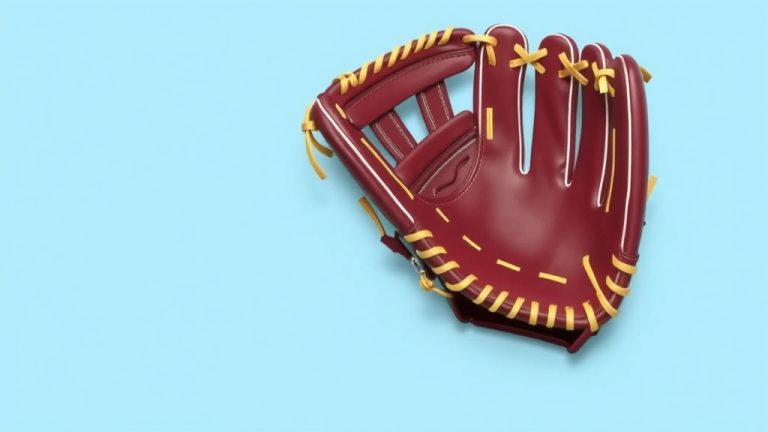
Outfield gloves can be pretty big, usually measuring between 12.5 and 13 inches. This extra size helps players catch fly balls hit far into the outfield. It gives you a larger target to snag those soaring hits. Big gloves are built for big plays.
The size is important for specific reasons. Longer gloves make it easier to reach for balls on the run. They also create a deeper pocket to secure the ball. Many outfielders prefer the longest gloves available. It’s all about maximizing your reach and catching capability.
- Outfield gloves are typically 12.5 to 13 inches long.
- Longer gloves help with reaching for balls.
- A deep pocket is key for securing catches.
- Player preference can influence exact size.
- Size matters for snagging fly balls effectively.
Let’s break down exactly what makes an outfield glove the right size for you and your game.
Understanding Outfield Glove Sizing
So, you’re wondering about the size of outfield gloves? It’s a fair question, and understanding the dimensions can help you pick the perfect mitt. Outfield gloves tend to be longer than infield gloves. This extra length is designed to help you snag those deep fly balls. We’re talking about gloves that give you a bit more reach. This can be the difference between making a great catch or watching the ball drop. Most outfield gloves fall into a specific size range.
The Standard Size Range for Outfielders
You’ll typically find outfield gloves measuring between 12.5 and 13 inches. This is the sweet spot for most outfielders. It gives you a good balance of reach and control. Some players might even go slightly larger, pushing towards 13.5 inches. But 12.5 to 13 inches is where the majority of outfielders find their perfect fit. Think of it like this: a slightly longer bat can give a hitter more power. Similarly, a slightly longer glove can give you more range.
Why the Extra Length? Reach and More Reach!
The primary reason for the longer size is simple: reach. When you’re chasing down a fly ball hit to the deepest part of the park, every inch counts. That extra half-inch or full inch on your glove can mean snagging a ball that might have otherwise sailed over your head. It extends your natural reach. This is super helpful when you’re running and have to stretch out for a catch. It makes you a more effective defender. You can cover more ground without having to move your feet as much.
The Deep Pocket: Securing the Catch
Beyond just length, the pocket depth is another crucial element of outfield gloves. A deeper pocket acts like a hammock. It helps to cradle and secure the ball once it hits the glove. This is vital for preventing pop-outs, especially on hard-hit balls. You want a pocket that feels secure, not shallow. A shallow pocket might let the ball bounce out. A deep pocket, combined with that extra length, gives you a larger and more reliable catching surface. It gives you confidence when the ball is in the air.
Factors Influencing Your Outfield Glove Size Choice
While there are standard sizes, your personal preference and playing style play a big role. Not every outfielder needs the absolute longest glove available. Let’s look at what might influence your decision.
Player Position and Responsibilities
Within the outfield, there are slight differences. Left fielders often play a bit shallower than center or right fielders. They might prefer a slightly shorter glove, perhaps around 12.5 inches. Center fielders often have the most ground to cover. They might lean towards the 13-inch or even slightly larger options. Right fielders also need good range. Many right fielders also opt for the 12.75 to 13-inch range.
Personal Preference and Comfort
Ultimately, comfort is king. What feels good on your hand? What gives you confidence? Some players simply prefer the feel of a larger glove. Others might find a really long glove a bit cumbersome. It’s about finding that sweet spot where you feel you have the best control and reach. We found that many players experiment with different sizes before settling on their favorite. Don’t be afraid to try a few out if you can. It’s like finding the right pair of shoes; it needs to feel just right for you.
Youth vs. Adult Sizing
It’s important to remember that glove sizes are different for youth players compared to adults. Youth gloves are generally smaller to accommodate smaller hands and less developed skills. For younger players just starting out, a 10.5 or 11-inch glove might be appropriate. As they grow and develop, they’ll move up to the standard adult sizes. So, when you’re looking at gloves, always check the sizing chart for the intended age group.
The Role of Glove Material and Design
While size is measured in inches, the material and design of the glove also affect how it feels and performs. Full-grain leather gloves tend to be stiffer and require more break-in time. They can mold to your hand over time. Synthetic materials might be lighter and more flexible from the start. The lacing, padding, and overall shape all contribute to how the glove feels and how well it protects your hand. A well-designed glove, even if it’s on the longer end of the spectrum, can still feel agile.
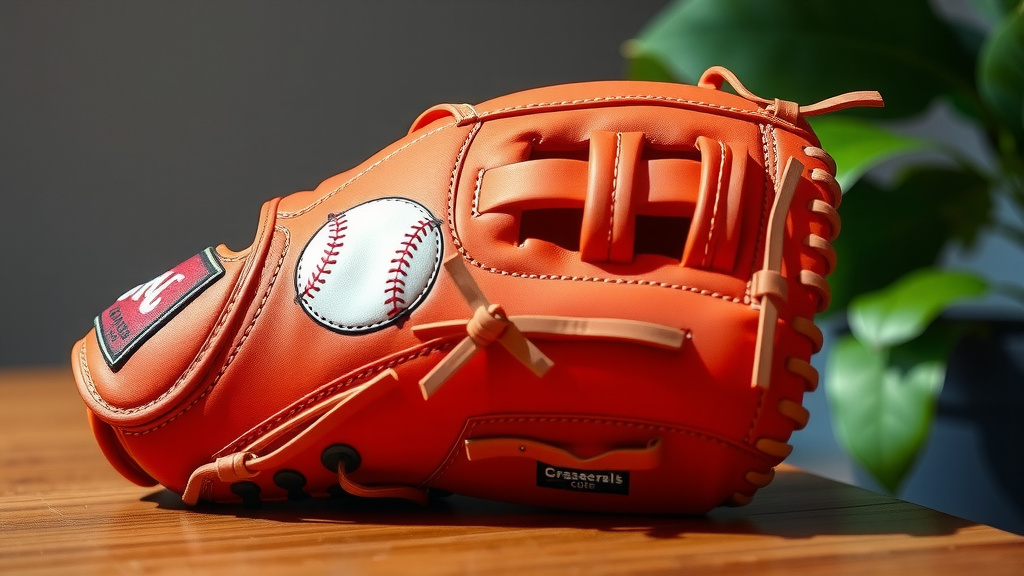
Quick Guide to Outfield Glove Sizes
Here’s a simple breakdown to help you visualize the typical sizes you’ll encounter:
| Glove Size (Inches) | Typical Player | Key Benefit |
|---|---|---|
| 12.5 | Youth, Smaller Adults, Corner Outfielders | Good balance of reach and control |
| 12.75 | Most Outfielders (LF, CF, RF) | Enhanced reach for deep balls |
| 13.0 | Center Fielders, Players seeking maximum reach | Largest standard size for maximum coverage |
Common Glove Lengths and What They Mean for You
Let’s break down those inches a bit more. When you see a glove listed as 12.5 inches, this measurement is taken from the heel of the glove to the tip of the index finger. It’s not a straight line, but rather following the contours of the glove. A 13-inch glove is simply longer. This extra length gives you that wider catching surface and longer reach we’ve discussed. It’s a tangible difference. Think about swinging a slightly longer golf club; you might get a little more distance.
Making Your Final Glove Size Decision
When you’re picking out your next outfield glove, consider these points:
- What is your general playing position in the outfield?
- How much ground do you typically need to cover?
- Do you prefer a glove that feels lighter or one with more substantial padding?
- Have you tried on gloves of different sizes to see what feels most comfortable?
- What is your current age and hand size (especially important for youth players)?
- Do you prioritize maximum reach or quicker control?
By thinking through these questions, you’ll be well on your way to finding the outfield glove that fits your game perfectly. Remember, the goal is to feel confident and capable when that ball is soaring towards you!
Conclusion
You’ve learned that most outfield gloves range from 12.5 to 13 inches, with the extra length giving you that essential reach for deep fly balls. Remember, a deep pocket is just as important for securing your catches. While standard sizes exist, your personal preference and specific position in the outfield matter most. Don’t be afraid to try different sizes to find what feels most comfortable and confident for your game. Your next step? Consider trying on a few gloves in the 12.5 to 13-inch range to feel the difference yourself.
Frequently Asked Questions
What is the average size of an adult outfield glove?
Adult outfield gloves typically measure between 12.5 and 13 inches. This size range is designed to offer a good balance of reach and control for most outfielders. Some players might prefer slightly larger or smaller within this range based on their individual needs.
Can I use an infield glove in the outfield?
While you can technically catch a ball with an infield glove, it’s not ideal. Infield gloves are shorter, offering less reach and a shallower pocket. This makes it harder to snag long fly balls. An outfield glove is specifically built to handle the demands of playing further back.
How does glove length affect catching fly balls?
The extra length on an outfield glove increases your potential reach. This means you can extend further to catch balls hit deep into the outfield. It also provides a larger surface area for catching, making it easier to secure those fast-moving fly balls.
Are there different glove sizes for different outfield positions (LF, CF, RF)?
Yes, there can be slight preferences. Center fielders often cover the most ground and might prefer the longest gloves (around 13 inches) for maximum reach. Corner outfielders (left and right field) might opt for slightly shorter gloves (around 12.5 to 12.75 inches) if they prefer quicker control or play a bit shallower.
What does the “deep pocket” on an outfield glove do?
A deep pocket on an outfield glove acts like a hammock, helping to cradle and secure the ball once it’s caught. This design is crucial for preventing pop-outs, especially on hard-hit balls. It provides a reliable spot to catch and hold onto the ball.