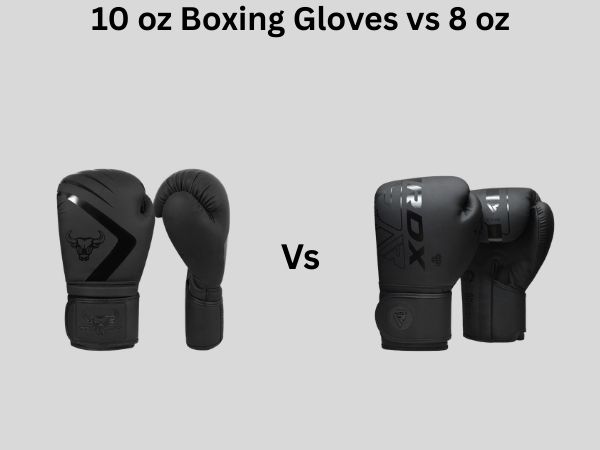
10 oz Boxing Gloves vs 8 oz: Lightweight vs Protection Explained
When you’re stepping into the ring or heading to your local boxing gym, one of the first decisions you’ll need to make is selecting the right glove size. Should you go with the nimble 8 oz gloves or opt for the more protective 10 oz pair? It’s a question that separates casual enthusiasts from serious fighters, and honestly, the answer isn’t as straightforward as you might think. Let me walk you through everything you need to know about this critical piece of boxing equipment.
Understanding Boxing Glove Weight Systems
Before we dive into the specifics, let’s establish what we’re actually talking about when we mention boxing glove ounces. The weight designation—whether it’s 8 oz, 10 oz, 12 oz, or 16 oz—refers to the total weight of a single glove. This measurement is crucial because it directly impacts how you’ll perform in the ring and how much punishment your hands can endure.
Think of boxing glove ounces like choosing between a sports car and a truck. Each has its purpose, and neither is inherently better than the other. It all depends on where you’re headed and what you’re trying to accomplish. The heavier your gloves, the more padding they contain, which means more protection but also more weight you’re carrying around during intense rounds.
Why Weight Matters in Boxing
The weight of your gloves affects nearly every aspect of your boxing experience. It influences your speed, your stamina, the force of your punches, and most importantly, the safety of your hands and your opponent’s face. Choosing the wrong size is like wearing the wrong shoes to a marathon—you might finish, but you’ll regret it.
The 8 oz Boxing Glove: Speed and Agility
Eight-ounce gloves are the lightweight champions of the boxing world. These slender fighters are designed for speed, precision, and maximum hand velocity. If you’re the type of boxer who relies on quick combinations, footwork, and technical precision, 8 oz gloves might be your perfect match.
Benefits of 8 oz Gloves
- Significantly lighter weight allows for faster punch combinations
- Improved hand speed and reflexes during sparring or competition
- Better maneuverability for defensive techniques and slipping punches
- Reduced fatigue during extended training sessions
- Enhanced ability to feel your opponent’s movements through the glove
- Ideal for professional fighters who need maximum speed advantage
When you’re wearing 8 oz gloves, you’re essentially strapping on precision instruments rather than protective gear. Your hands move faster, your combinations flow more naturally, and your overall ring movement becomes sharper. Professional boxers often prefer 8 oz gloves because at their level, technique and speed trump everything else.
Drawbacks of 8 oz Gloves
However, 8 oz gloves come with significant trade-offs. The padding is considerably thinner, which means less cushioning for your hands during heavy bag work or intense sparring sessions. If you’re a beginner or someone who values hand protection above all else, these gloves might leave you feeling vulnerable.
Additionally, the reduced padding means that incoming punches feel more direct. While experienced fighters appreciate this feedback because it helps them read their opponent’s distance and timing, novices often find it intimidating and painful. It’s like the difference between wearing a thick winter coat versus a light jacket—one protects you from the elements, and the other just keeps you from freezing.
The 10 oz Boxing Glove: Protection First
On the opposite end of the spectrum, we have 10 oz gloves—the bodyguard of the boxing world. These gloves pack an extra two ounces of padding that makes a surprisingly significant difference in how your hands feel after a training session.
Advantages of 10 oz Gloves
- Substantially more padding protects your hands from impact injuries
- Extra cushioning reduces the sting when working the heavy bag
- Better protection during sparring sessions with aggressive partners
- Reduced risk of developing hand injuries over time
- More comfortable for extended training sessions
- Ideal for beginners learning proper technique
- Better wrist support due to additional material
The 10 oz glove is essentially the safe choice. If you’re new to boxing, recovering from an injury, or simply want to prioritize long-term hand health, these gloves make logical sense. They’re forgiving, protective, and they allow you to train harder without worrying excessively about hand fatigue or injury.
Limitations of 10 oz Gloves
The trade-off for all that protection is noticeable. Your hands become slightly heavier, your combinations feel a bit slower, and your overall punch speed diminishes. For competitive fighters, this small speed deficit can be the difference between winning and losing a match. Additionally, the extra padding can sometimes make it harder to feel exactly where your gloves are in space, potentially affecting your accuracy.
Key Differences Between 8 oz and 10 oz Gloves
Let’s break down the specific differences between these two glove weights to help you understand what you’re actually choosing between.
Weight Distribution
The two-ounce difference might sound trivial, but when you’re throwing rapid-fire combinations for three-minute rounds, that extra weight becomes remarkably noticeable. The 8 oz glove allows your arms to move with less resistance, while the 10 oz glove requires slightly more effort to maintain speed.
Padding Thickness
Ten-ounce gloves feature substantially more padding, particularly around the knuckle area and across the palm. This thicker padding absorbs impact more effectively, distributing force over a larger surface area. The 8 oz glove, by contrast, has minimal padding—just enough to protect your hands without compromising speed.
Hand Feel and Feedback
With 8 oz gloves, you can feel your opponent’s movement through the gloves more directly. This tactile feedback is invaluable for experienced fighters who use it to adjust their distance and timing. The 10 oz glove muffles this feedback slightly, making it better suited for beginners who don’t yet possess the skill to interpret what they’re feeling.
Impact Force and Punch Delivery
Here’s where things get interesting from a physics perspective. You might assume that heavier gloves deliver harder punches, but it’s actually more complicated than that.
Power vs Speed Trade-off
While 10 oz gloves might deliver slightly more force due to their weight, 8 oz gloves can deliver that force faster and with greater frequency. Think of it like the difference between a sledgehammer and a jackhammer. The sledgehammer is heavier, but the jackhammer delivers more total force through rapid repetition.
A skilled boxer wearing 8 oz gloves can land four punches in the time it takes someone in 10 oz gloves to land three. Those three extra punches add up quickly over the course of a round. This is precisely why professional fighters, particularly those in lighter weight divisions, prefer the nimbler 8 oz gloves.
Punch Shock Absorption
The 10 oz glove’s superior padding means incoming punches are absorbed more gradually. This is excellent for your long-term hand health and for training longevity. The 8 oz glove transmits more shock directly to your hands, which means you feel every punch more acutely. For training purposes, this can actually be beneficial because it forces you to develop tighter defense and better head movement.
Protection Levels Compared
When we talk about protection in boxing, we’re referring to two distinct types: hand protection and opponent protection.
Hand Protection Analysis
The 10 oz glove clearly wins in this category. The extra padding provides superior protection against hand injuries, particularly common issues like boxer’s knuckles, stress fractures, and hand fatigue. If you’re training frequently—say four or five times per week—the cumulative stress on your hands in 8 oz gloves can be substantial.
The 8 oz glove, while still protective enough for professional use, offers minimal hand protection. This is acceptable for experienced fighters who know how to condition their hands properly and who understand proper punching technique. For beginners, however, the lack of padding can lead to injuries that sideline you from training.
Opponent Protection Considerations
Interestingly, many boxing organizations mandate minimum glove weights specifically to protect opponents. Professional boxing often requires 8 oz gloves at certain weight divisions because they’ve determined that this weight still provides adequate protection for the person receiving the punches. The 10 oz glove, conversely, reduces the impact intensity on an opponent’s face and head.
This creates an interesting paradox: heavier gloves protect your training partner better, but lighter gloves protect your own hands less. It’s a balancing act that depends on your training environment and experience level.
Comfort and Fit Considerations
Beyond weight and protection, comfort plays a significant role in your boxing experience.
Glove Feel During Training
The 10 oz glove typically feels more comfortable during extended training sessions. The additional padding distributes pressure more evenly across your hand, reducing hot spots and pressure points. After an hour of heavy bag work, your hands will likely feel less fatigued in 10 oz gloves.
The 8 oz glove, being more compact, sometimes creates pressure points along the knuckles or wrist if it doesn’t fit perfectly. Because there’s less padding to adjust and conform to your hand, fit becomes more critical.
Wrist Support and Stability
The 10 oz glove provides noticeably better wrist support due to the additional material. If you’re prone to wrist discomfort or if you’re still developing proper wrist alignment, the 10 oz glove’s extra support is genuinely valuable. The 8 oz glove requires that you maintain proper wrist alignment independently—it won’t compensate for poor technique.
Training Applications for Each Weight
The best glove weight depends entirely on what you’re doing in the ring.
Heavy Bag Work
For heavy bag training, the 10 oz glove is generally superior. The extra padding protects your hands from the constant impact against the bag, and the additional weight actually helps you develop power through the bag. Your hands will feel fresher after a session, and you’ll be less likely to develop repetitive stress injuries.
The 8 oz glove can work for heavy bag training if you’re careful with your technique and if you’re not doing extended sessions. However, most trainers recommend 10 oz or heavier for serious bag work.
Speed and Technical Work
When you’re focusing on combinations, footwork, and technical development, the 8 oz glove shines. The reduced weight allows you to move faster, practice combinations at higher speed, and develop the quick reflexes that technical boxing demands. Many boxers will use 8 oz gloves specifically for drilling combinations or practicing against focus pads.
Sparring Sessions
Sparring is where the choice becomes more nuanced. For light sparring between advanced fighters, 8 oz gloves can work fine. However, for more intense sparring or when you’re working with training partners of different skill levels, the 10 oz glove is safer. The extra padding reduces the risk of accidental injuries, and it demonstrates respect for your partner’s long-term health.
Many gyms actually recommend or require 10 oz gloves for their sparring sessions specifically because of this safety consideration.
Professional vs Amateur Boxing Standards
Professional and amateur boxing have different glove weight requirements, and understanding these standards can help inform your choice.
Amateur Boxing Requirements
Amateur boxing organizations typically require heavier gloves—often 10 oz or 12 oz depending on weight division and age group. This reflects amateur boxing’s emphasis on competitor safety and development. Junior boxers often compete in heavier gloves than adults because the protective aspect is prioritized.
Professional Boxing Standards
Professional boxing, by contrast, allows 8 oz gloves in many weight divisions. This reflects professional boxing’s tolerance for more intense, faster-paced action. Professional fighters are experienced enough to handle the reduced padding, and the sport values the speed and technical skill that lighter gloves enable.
However, heavier weight divisions in professional boxing might still require 10 oz gloves. The heavier you are, the more force you can generate, and thus the more protection both you and your opponent need.
Hand and Wrist Support Analysis
One of the most important considerations that often gets overlooked is how well each glove weight supports your hands and wrists long-term.
Impact on Wrist Health
Your wrists endure significant stress during boxing training. Every punch generates force that travels through your wrist joints. The 10 oz glove’s additional material provides more structural support, helping to stabilize your wrist and distribute impact forces more evenly.
If you’re training seriously and consistently, wrist health becomes crucial. A wrist injury can sideline you for weeks or even months. The 10 oz glove, by providing superior wrist support, essentially acts as insurance against this common training injury.
Hand Conditioning and Development
Interestingly, training in 8 oz gloves actually forces your hands to become stronger and more resilient over time. Because they’re absorbing more shock, your bones adapt and become denser. This is a positive adaptation that many experienced boxers appreciate.
However, this adaptation takes time and should be built gradually. Starting in 8 oz gloves as a complete beginner is like trying to run a marathon on your first day of training—theoretically possible but generally a bad idea.
Durability and Longevity Factors
Let’s talk about how long these gloves last and whether they represent good value.
Wear and Tear Patterns
The 10 oz glove, with its additional padding, typically lasts longer than the 8 oz glove. The extra material means it takes longer for the padding to compress and break down. If you’re training heavily several times per week, you’ll notice that your 8 oz gloves degrade noticeably faster.
However, this doesn’t necessarily mean 10 oz gloves are more economical. If you only use them occasionally