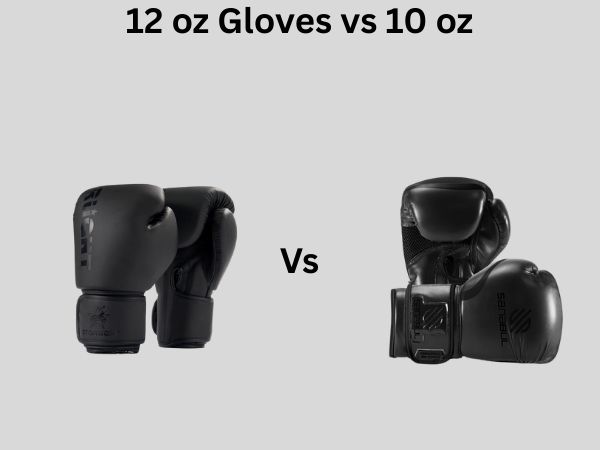
12 oz Gloves vs 10 oz: A Complete Guide to Understanding Boxing Glove Sizes
When you’re stepping into the ring or heading to the gym for your first boxing session, one of the most confusing decisions you’ll face is choosing between different glove sizes. You’ve probably heard someone mention 10 oz or 12 oz gloves, and if you’re like most beginners, you might be wondering what those numbers actually mean and why it matters so much. The truth is, understanding the difference between these two popular sizes could seriously impact your training experience, your safety, and even your long-term boxing performance.
Why Glove Weight Matters More Than You Think
Let me start by clearing up a common misconception. When we talk about a 10 oz or 12 oz glove, we’re not just talking about a slight difference in size. These numbers represent the actual weight of the glove itself, measured in ounces. Think of it like choosing between different coffee cup sizes—a small difference in ounces can feel dramatically different when you’re holding it all day.
The weight of your gloves affects everything from how fast you can throw punches to how much protection your hands receive. Heavier gloves provide more cushioning, while lighter gloves offer greater speed and responsiveness. It’s a trade-off that every boxer needs to understand before making their purchase.
Understanding the Basics of Boxing Glove Sizes
Boxing glove sizing isn’t just random numbering. The ounce measurement directly correlates to the padding thickness and overall construction of the glove. A 12 oz glove contains more foam padding and material than a 10 oz glove, making it bulkier and heavier overall.
10 oz Gloves: The Lighter Choice Explained
So what exactly are 10 oz gloves, and who should be wearing them? These lighter gloves are typically designed for specific purposes, and understanding those purposes is crucial for making the right choice.
What Makes 10 oz Gloves Different
Ten-ounce gloves are the lighter option in the 10 vs 12 comparison. They’re sleeker, more compact, and definitely easier on your arms during long training sessions. When you’re wearing 10 oz gloves, you’ll notice that your hands feel more responsive and your arm fatigue comes less quickly.
- More compact design means easier hand speed
- Less padding requires more technique
- Better for advanced boxers with proper form
- Ideal for speed work and combination drills
- Lighter weight reduces shoulder strain during extended sessions
The Speed Advantage of Lighter Gloves
When you’re training with 10 oz gloves, you’ll immediately feel the difference in speed. Your punch combinations become crisper and faster because you’re not fighting against as much weight. Imagine trying to do jumping jacks while holding dumbbells versus doing them with empty hands—the difference is noticeable instantly.
This speed advantage makes 10 oz gloves particularly popular among fighters who compete in professional bouts, where hand speed can be the difference between winning and losing. The reduced weight means your strikes come out quicker, potentially catching your opponent off guard.
Hand Protection Concerns with 10 oz Gloves
Here’s where we need to be honest about the trade-offs. Lighter gloves mean less padding, which translates to less cushioning for your hands and the hands of your training partner. If you’re hitting a heavy bag repeatedly or sparring with intensity, those lighter gloves provide less shock absorption.
This is why most gyms and boxing organizations don’t recommend 10 oz gloves for beginners. Your hands need the extra protection while you’re still learning proper technique, and your training partners deserve the extra cushioning that comes with heavier gloves.
12 oz Gloves: The Standard Choice
Now let’s shift our attention to 12 oz gloves, which are far more common in most boxing gyms across the world. Understanding why so many trainers recommend this size helps explain its popularity.
Why 12 oz Gloves Are the Standard
Twelve-ounce gloves have become the industry standard for several good reasons. They offer a sweet spot between protection and performance, making them suitable for a wider range of boxers and training scenarios.
- Superior hand protection for heavy bag work
- Better padding for sparring sessions
- Reduced risk of hand injuries
- Suitable for most boxer weight categories
- More forgiving if your technique isn’t perfect yet
The Protection Factor
The extra two ounces might not sound like much, but that additional weight is almost entirely devoted to padding and protective material. When you’re throwing hundreds of punches at a heavy bag, those extra ounces provide meaningful cushioning that protects both your hands and your wrists.
Your hands are intricate structures with tiny bones, joints, and connective tissue. During intensive training, they absorb tremendous impact. The extra padding in 12 oz gloves acts like a buffer, spreading that impact across a larger area and reducing the stress on any single point in your hand.
Sparring Safety with 12 oz Gloves
When you’re sparring with another boxer, protection becomes even more critical. Both you and your partner benefit from the extra padding that 12 oz gloves provide. The increased surface area and cushioning mean that accidental hard shots are less likely to cause serious injury.
Think of it like the difference between getting punched while wearing a thin t-shirt versus a thick hoodie. Both are protection, but one definitely feels better when impact is involved.
Training Flexibility with 12 oz Gloves
Another reason 12 oz gloves are so popular is their versatility. You can use them for almost any type of boxing training. Heavy bag work? Check. Speed bag training? Absolutely. Sparring? Definitely. Mitt work with your coach? Perfect.
This flexibility means that if you buy one pair of 12 oz gloves, you can use them for virtually every aspect of your boxing training without needing to switch between different glove weights.
Direct Comparison: 10 oz vs 12 oz
Let me break down the direct comparison so you can see exactly what you’re getting with each option.
Weight and Feel
The obvious difference is weight. Twelve ounces is twenty percent heavier than ten ounces. On your hands, this difference becomes very apparent after the first few minutes of training. Your arms will feel the extra weight accumulating over time.
Speed and Responsiveness
Ten-ounce gloves allow for quicker hand movement and faster combinations. If you’re an advanced boxer with excellent technique, this speed advantage can be valuable. However, if you’re still developing your skills, the extra weight in 12 oz gloves won’t significantly slow you down enough to matter.
Hand and Wrist Protection
This is where the differences become most significant. Twelve-ounce gloves provide noticeably more protection. The additional padding reduces impact stress on your hands and wrists, which is especially important during heavy training sessions or sparring.
Cost Considerations
Generally, 10 oz gloves are slightly less expensive than 12 oz gloves because they use less material. However, the price difference is usually minimal, often only ten to twenty dollars depending on the brand and quality level.
Durability and Longevity
Interestingly, 12 oz gloves often last longer than 10 oz gloves. The additional padding material means there’s more structure to absorb impact before the gloves begin breaking down. If you’re planning to use your gloves for years, the 12 oz option might actually save you money in the long run.
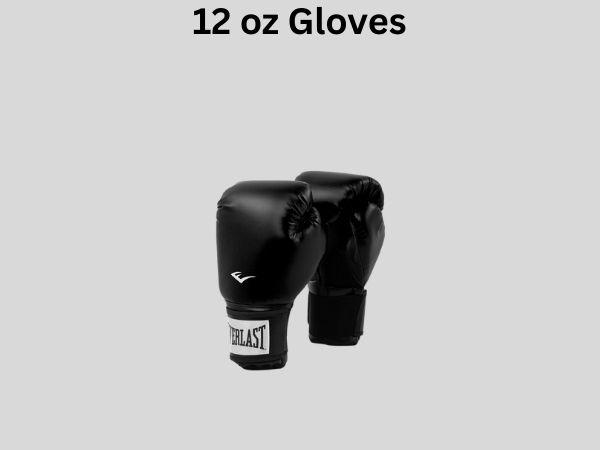
Who Should Choose 10 oz Gloves
Now that we’ve covered the basics, let’s talk about who should actually be using 10 oz gloves. These aren’t the right choice for everyone, but they’re absolutely the right choice for certain boxers.
Advanced Competitive Boxers
If you’re competing professionally or seriously in amateur boxing, 10 oz gloves are likely your weapon of choice. The speed advantage and lighter feel align perfectly with competitive boxing where every millisecond counts.
Lightweight and Super Heavyweight Fighters
Lighter weight classes often favor 10 oz gloves as part of their competition regulations. If you’re fighting in these weight divisions, you’ll want to train with the same glove weight you’ll be using in the ring.
Speed-Focused Training Sessions
Even if you’re not a competitive boxer, there are times when you might want 10 oz gloves. If you’re doing speed drills, working on combinations, or practicing with your coach on mitts, the lighter gloves can enhance your training in those specific contexts.
Who Should Choose 12 oz Gloves
If you’re asking yourself which gloves to buy, 12 oz is probably the answer. Here’s who benefits most from this standard size.
Beginning Boxers and Hobbyists
If you’re new to boxing or training purely for fitness and fun, 12 oz gloves are your best friend. They provide the protection you need while you’re learning proper technique, and they’re versatile enough for any training situation you’ll encounter.
Regular Gym Training
If you’re hitting the heavy bag a few times a week, working with your trainer on mitts, and doing general conditioning, 12 oz gloves are perfect. They’re the most practical choice for this type of training.
Sparring Partners Everywhere
Whether you’re the person throwing the punches or receiving them, 12 oz gloves are the safer choice for sparring. The extra padding protects both participants and reduces the risk of injury during contact work.
Hand and Wrist Health
If you have any history of hand, wrist, or joint issues, 12 oz gloves are the smarter choice. The additional padding and support can prevent aggravating existing conditions or developing new injuries.
The Physics Behind the Difference
Let’s get a bit technical and understand the physics of what makes these gloves different. Understanding the science helps explain why the choice matters.
Padding Distribution and Impact Absorption
The two extra ounces in a 12 oz glove are distributed throughout the padding, particularly in the knuckle area and around the wrist support. This additional padding increases the surface area over which impact is distributed. When your fist connects with something solid, that impact gets spread across more material, reducing the peak force experienced by any single area of your hand.
It’s similar to how a wide board can support more weight than a narrow board made from the same material. The larger surface area distributes force more effectively.
Mass and Momentum in Hand Speed
From a physics perspective, the lighter 10 oz gloves have less mass, which means they accelerate more easily. Your arm muscles can move them faster with the same amount of effort. However, this effect is relatively small—the speed difference between 10 and 12 oz gloves is noticeable but not dramatic.
Finding Your Perfect Fit: Practical Considerations
Beyond the weight difference, you should consider other factors when choosing between these sizes.
Your Boxing Level and Experience
Your experience level should be your primary decision factor. Beginners benefit from the safety and versatility of 12 oz gloves. Intermediate and advanced boxers might prefer 10 oz for specific training goals.
Your Primary Training Goals
Are you training for competition, fitness, or just for fun? Are you planning to spar regularly? Will you be hitting the heavy bag multiple times per week? Your answers to these questions should guide your choice.
Hand Size and Comfort
Some boxers with smaller hands find that 10 oz gloves fit more comfortably. Conversely, those with larger hands might prefer the roomier fit of 12 oz gloves. Comfort affects your ability to train consistently, so this matters more than you might think.
Common Mistakes When Choosing Between These Sizes
I see people make the same mistakes repeatedly when selecting gloves. Let me help you avoid them.
Assuming Lighter Means Better
Many beginners assume that 10 oz gloves are superior because they’re lighter. In reality, for most training purposes, lighter isn’t better—safer is better. The lighter gloves are only better if you’re specifically training for competitive speed work.
Ignoring Your Training Partner’s Safety
Remember, when you’re sparring, you’re not just protecting yourself. Your training partner deserves protection too. Showing up with 10 oz gloves for sparring sessions when your partner expects standard 12 oz protection is disrespectful to them.
Not Considering Long-Term Training Plans
Think about your boxing journey beyond the next few months. Will you be training seriously for years? Will you eventually be competing? Your answer should influence your decision today.
Maintenance and Care Differences
The heavier 12 oz gloves require slightly different care than lighter 10 oz models. The increased padding needs proper drying to prevent moisture buildup that could damage the foam.
Drying and Storage
Both glove types should be dried thoroughly after use, but the 12 oz gloves benefit from extra attention. Store them in a well-ventilated area, and consider using glove deodorizers or hand wraps that are easier to dry out quickly.
Investment and Value
When you’re spending your money on boxing equipment, you want to know you’re making a smart investment.
Long-Term Cost Effectiveness
While 10 oz gloves might be slightly cheaper upfront, 12 oz gloves typically offer better long-term value. The durability advantage means you’ll replace them less frequently, making the total cost of ownership lower.
Think of it like buying a cheap pair of shoes versus investing in quality ones. The cheap option might cost less initially, but you end up replacing them more often.
Real-World Training Scenarios
Let me paint you some realistic pictures of different training scenarios to help you visualize how these gloves perform.
The Heavy Bag Session
Imagine you’re spending forty-five minutes pounding a heavy bag. With 12 oz gloves, your hands feel supported and protected throughout the session. With 10 oz gloves, you might notice your hands getting a bit more fatigued by the end, and you’re more aware of the impact.
The Sparring Round
Now picture yourself in a sparring session. With 12 oz gloves, when you take shots, the extra padding makes them feel manageable. With 10 oz gloves, those same shots feel more snappy an