Quickly Break In Your Baseball Glove Overnight
Breaking in a baseball glove overnight is **challenging**, but not impossible if you use the right methods. While a true, natural break-in takes time, you can significantly speed up the process with a combination of heat, moisture, and manipulation. You’ll want to focus on techniques that **condition the leather** without damaging it.
Many players want a glove that feels like an extension of their hand right away. We understand that impatience! Getting a new glove ready for game day or practice fast requires a careful approach. You can’t just stuff it in an oven, but there are effective ways to get a **game-ready feel** quickly and ensure your glove performs its best when you need it most.
- The quickest way involves applying gentle heat and moisture.
- Work the glove by hand to shape it.
- Use a glove mallet or a heavy object to pound the pocket.
- Protect the leather from drying out afterwards.
- Avoid extreme heat that could ruin the glove.
Ready to get that new glove feeling perfect? Let’s walk through how to break in your baseball glove overnight effectively and safely.
Speeding Up Your Glove Break-In Process
You’ve got a brand new glove, and you want it ready for action yesterday. We get it! Waiting for a glove to naturally soften can feel like an eternity when you’re eager to hit the field. Fortunately, there are effective ways to accelerate this process. You can achieve a comfortable, game-ready feel quickly with a few smart techniques.
The Overnight Glove Transformation Plan
Getting your glove game-ready overnight involves a concentrated effort. It’s about conditioning the leather, not just forcing it into shape. We’ll focus on methods that are safe for the glove and yield the best results in a short timeframe.
Step 1: Gentle Warmth and Moisture
The first key is introducing a bit of warmth and moisture. This makes the leather more pliable and receptive to shaping. Think of it like warming up before a workout; it prepares your muscles. For your glove, gentle warmth helps the leather fibers relax.
Using Lukewarm Water (Carefully!)
A light mist of lukewarm water can work wonders. You don’t want to soak the glove, just make the leather feel slightly damp. Many players find this initial step crucial for flexibility. You can use a spray bottle filled with lukewarm water. Lightly mist the inside and outside of the glove. Ensure the water isn’t hot, as that can damage the leather (Cleveland Clinic).
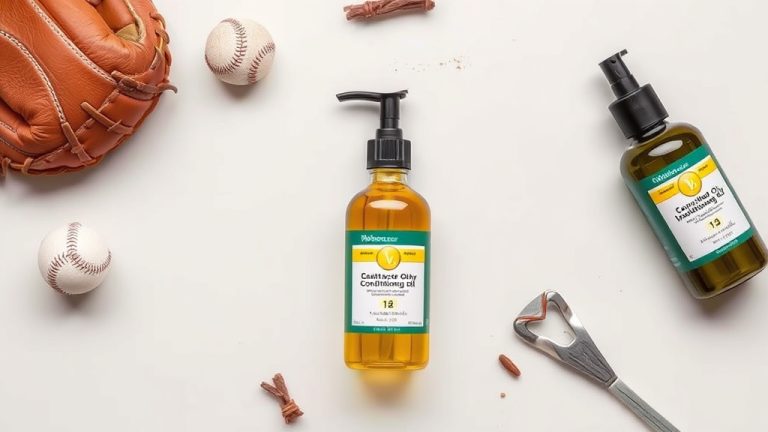
Applying Glove Oil or Conditioner
After misting, apply a quality glove oil or conditioner. This replenishes the leather’s natural oils and keeps it from drying out. Research suggests that using specialized glove conditioners is better than generic oils. They are formulated to protect and soften the leather without causing harm. Apply a thin, even coat. Rub it in well with your hands. This helps the conditioner penetrate the material.
Step 2: Strategic Shaping and Manipulation
Once the glove is prepped, it’s time to give it the desired shape. This involves active work and a bit of strategic “storage.” This is where you imprint your hand’s natural position into the glove.
The Pocket Pound
You’ll want to create a well-defined pocket. This is where the ball will nestle. Use a glove mallet or a similar soft, heavy object. Gently pound the area where the ball will sit. Focus on creating a comfortable crease. Don’t use anything too hard, like a baseball bat. That could create wrinkles or damage the stitching. We found that consistent, firm tapping is most effective.
Manual Shaping Techniques
Your hands are your best tools for this. Fold the glove in half, just like you would to catch a ball. Hold it firmly in this position for several minutes. Repeat this process multiple times. Think of it as a repetitive motion to train the leather. Flex the glove open and closed repeatedly. This motion helps to loosen up the hinges and finger stalls.
The Glove-in-a-Ball Method
This is a classic technique for a reason. Place a baseball (or a tightly rolled-up pair of socks) into the pocket of the glove. Then, fold the glove around it. Secure it tightly with a rubber band, glove strap, or even a sturdy belt. This pressure helps the pocket maintain its shape overnight. It’s like giving your glove a supportive hug while it rests. Make sure the ball is centered. You don’t want to create an uneven pocket.
Step 3: Overnight Conditioning and Storage
The overnight period is critical for letting the shaping take effect. Proper storage ensures the glove retains its new form and continues to soften.
The Role of a Warm, Dry Place
Store the glove in a warm, dry place. Avoid extreme temperatures, like a hot car or a damp basement. A slightly warm room is ideal. Heat helps the conditioner and oils work their way into the leather. It also aids in maintaining the shape you’ve created. Too much heat, however, can dry out and crack the leather (National Baseball Hall of Fame).
Using a Glove Warmer (Optional but Effective)
Dedicated glove warmers are available and can be very effective. These devices provide consistent, gentle heat. They are designed to warm the glove evenly without causing damage. Many pros use these to speed up break-in times. If you plan on breaking in multiple gloves over time, this could be a worthwhile investment.
Step 4: Post-Break-In Care
After your overnight break-in, your glove will be much softer. However, you’re not quite done. Proper care ensures your efforts last.
Assess and Repeat if Needed
In the morning, check your glove. Does the pocket feel right? Does it bend easily? If it still feels a bit stiff, you can repeat some of these steps. A little extra time might be needed. Don’t be afraid to do a second quick session. Many players find that two shorter sessions are better than one long, potentially damaging one.
Maintaining the Leather’s Moisture
Regularly applying a small amount of glove conditioner is key. This prevents the leather from drying out and becoming brittle. Aim for a light application every few weeks, or after heavy use. This ongoing care keeps your glove in top condition. It will feel more comfortable and perform better for longer.
A Quick Checklist for Your Overnight Break-In:
- Mist glove lightly with lukewarm water.
- Apply a thin layer of quality glove conditioner.
- Pound the pocket firmly but gently with a mallet.
- Shape the glove by hand, folding and flexing it.
- Secure a ball in the pocket and strap it tightly.
- Store in a warm, dry place overnight.
What to Absolutely Avoid
There are certain “break-in” methods that can ruin your glove. You need to steer clear of these at all costs. Extreme heat is the biggest offender. Never use a microwave or a conventional oven. These methods can scorch the leather, making it stiff and prone to cracking. They can also damage the lacing and padding. Avoid soaking the glove in water or using harsh chemicals. These can strip the natural oils from the leather, leading to irreparable damage. Stick to gentle, controlled methods for the best results.
Conclusion
Breaking in your baseball glove overnight is achievable with the right approach. You’ve learned how to use gentle heat and moisture to make the leather pliable. Strategic shaping and conditioning will imprint the perfect pocket. Remember to always protect your glove from harsh treatments that can cause damage. With this overnight method, you can get your glove game-ready faster. Your next step is to grab your glove and follow these steps to feel the difference on the field!
Frequently Asked Questions
Can I use my oven or microwave to break in a glove?
No, you should absolutely avoid using ovens or microwaves. Extreme heat can scorch the leather, making it stiff, brittle, and prone to cracking. It can also damage the glove’s lacing and internal padding.
How long should I expect the overnight break-in to take?
The overnight process is designed to significantly speed things up. While a glove will continue to improve with play, this method should make it feel much more game-ready by morning. You might need a second short session if it still feels stiff.
Is it okay to soak my glove in water to speed up the process?
Soaking your glove in water is not recommended. It can strip the natural oils from the leather, leading to dryness and potential cracking. A light mist of lukewarm water is sufficient for softening the leather.
What’s the best way to maintain my glove after the overnight break-in?
After your overnight break-in, continue to condition your glove regularly with a quality conditioner. This will keep the leather supple and prevent it from drying out. Consistent play will also help mold it perfectly to your hand.
Can I use baby powder or cornstarch in my glove?
While some people use baby powder or cornstarch to absorb moisture, it’s generally not recommended for the break-in process. These powders can sometimes dry out the leather or create a dusty residue inside your glove. Stick to specialized glove conditioners for best results.