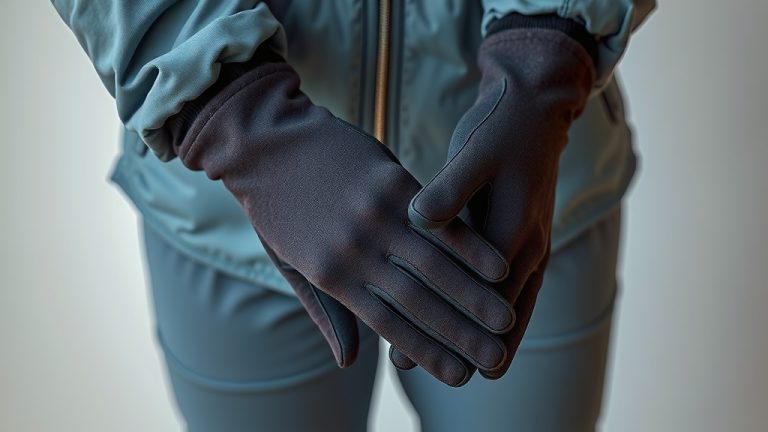
How to Measure for Cycling Gloves: A Simple Guide
Measuring for cycling gloves is pretty straightforward. You’ll primarily need a flexible tape measure to find your hand’s circumference and length. Getting the right fit is key for comfort and control. Too tight, and your hands get numb. Too loose, and you lose dexterity.
We’ve found that understanding your hand measurements helps you pick gloves that offer both protection and breathability. Many cyclists overlook this step, leading to discomfort on longer rides. Proper measurement ensures your gloves work with you, not against you.
- Measure hand circumference.
- Measure hand length.
- Use a flexible tape measure.
- Compare to sizing charts.
Let’s walk through exactly how to get those measurements to find your perfect pair.
Getting the Right Cycling Glove Fit: A Measurement Guide
Finding cycling gloves that fit perfectly is a bit like finding the right saddle. It makes all the difference in your ride’s comfort and your bike’s control. We’ve all been there, right? That numb feeling in your fingers after an hour, or the awkward fumbling because your gloves are too baggy. Let’s prevent that before it starts by getting your measurements right.
Properly measuring your hands ensures your gloves offer the best protection, grip, and feel. Many cyclists simply guess or grab the closest size. That’s a recipe for discomfort, especially on longer rides. We want your gloves to feel like a second skin, not a hindrance. So, let’s grab a tape measure and get down to business.
Understanding Your Hand’s Dimensions
To get the best fit, you’ll need two main measurements: your hand’s circumference and its length. Think of these as the key to unlocking a comfortable cycling experience. We recommend using a flexible tailor’s tape measure for this. A metal one can be a bit stiff and might give you an inaccurate reading.
Measuring Hand Circumference
This is often the most important measurement for glove sizing. It tells you how wide your hand is. Grab your flexible tape measure.
How to Measure Circumference
Wrap the tape measure around the widest part of your palm. Be sure not to include your thumb in this measurement. It should rest just below your knuckles. Keep the tape snug, but not so tight that it digs into your skin. We found that a little bit of tension is good, but you don’t want to be squeezing your hand.
Read the measurement where the tape overlaps. This number, usually in inches or centimeters, is your hand’s circumference. Many brands use this figure as the primary guide for their sizing charts. Remember this number; it’s super important!
Measuring Hand Length
Next, we’ll measure the length of your hand. This helps ensure the fingers of the glove will be the right length for you.
How to Measure Length
Place your hand flat on a piece of paper, with your fingers together and your palm down. Use a ruler or the flexible tape measure to mark a line from the tip of your longest finger straight down to the base of your palm. The measurement from the fingertip crease to the wrist bone is what you’re looking for. It’s a straight line measurement, so keep that tape measure nice and straight.
Some people have slightly longer fingers or shorter palms. This measurement helps account for those variations. It’s less critical than circumference for most glove brands, but it’s still good data to have.
Putting Your Measurements to Use: Finding the Right Size
Now that you have your measurements, it’s time to find a glove that fits. This is where you’ll compare your numbers to the glove manufacturer’s sizing chart. Every brand is a little different, so don’t assume your usual size will work everywhere.
Consulting the Sizing Chart
You’ll find sizing charts on the product pages of most cycling glove websites. They usually list hand circumference and sometimes hand length next to sizes like S, M, L, XL. Your goal is to find the size that best matches your measurements.
For example, if your hand circumference is 8.5 inches and your length is 7 inches, you’ll look for the size that has values closest to these numbers. Sometimes your measurements might fall between two sizes. In this case, consider your personal preference.
When You’re Between Sizes
If your circumference measurement falls right in the middle of two sizes, think about how you like your gloves to fit. Do you prefer a snug, race-like fit? Or do you like a little more room for comfort and swelling on longer rides? If you prefer a tighter fit, lean towards the smaller size. If you like a bit more breathing room, go for the larger size. We found that most riders prefer the larger size when on the fence.
Trying On for the Perfect Feel
While measurements are essential, the ultimate test is how the gloves feel on your hands. If possible, try them on before buying.
What to Check When Trying Gloves On
When you put on the gloves, pay attention to a few things. Are the fingers the correct length? They shouldn’t be too long, causing bunching, or too short, cutting off circulation. Can you easily make a fist? Your gloves shouldn’t feel restrictive when you grip the handlebars.
Move your fingers around. Can you easily operate brake levers and shifters? This is critical for bike control and safety. Your gloves need to allow for dexterity. Also, check for any uncomfortable seams or pressure points. A good glove should feel smooth and well-constructed.
Key Glove Fit Checklist
Before you finalize your purchase, run through this quick checklist. It helps ensure you haven’t missed any critical fit points.
- Circumference Match: Does your hand circumference line up with the recommended size?
- Finger Length: Are the fingertips ending at the base of your fingernails, not past them?
- Palm Fit: Is there any excess material bunching in the palm?
- No Restriction: Can you easily bend your fingers and make a fist?
- Dexterity Test: Can you comfortably reach and operate your shifters and brake levers?
- Comfort Check: Are there any pinching or rubbing spots?
By following these steps, you’re well on your way to finding cycling gloves that will keep your hands happy, comfortable, and in control on every ride. It’s a small step that pays off big time!
Conclusion
You’ve now got the know-how to accurately measure your hands for cycling gloves. Remember, taking a few minutes to measure your circumference and length is a small step that makes a big difference. It ensures you get gloves that offer the right blend of comfort, protection, and dexterity for your rides. Don’t just guess; use your measurements and compare them to the brand’s sizing chart. Your next step is simple: grab your tape measure and head to your favorite online bike shop or local store with these numbers in hand. Happy cycling!
Frequently Asked Questions
What’s the most important measurement for cycling gloves?
For most cycling glove brands, hand circumference is the most critical measurement. This is usually the primary factor used to determine your glove size. It ensures the glove isn’t too tight or too loose around the widest part of your palm.
How do I know if my cycling gloves fit correctly?
Your cycling gloves should feel snug but not restrictive. The fingers should end at the base of your fingernails, and you should be able to make a fist comfortably. You also need full dexterity to operate your shifters and brake levers without any issues.
What if my hand measurements fall between two sizes?
If your measurements are between sizes, consider your personal preference. If you like a snugger fit, opt for the smaller size. If you prefer a bit more room for comfort or to account for hand swelling on long rides, choose the larger size. We found that leaning towards the larger size is often a good bet.
Can I use a regular ruler to measure my hands?
While you can use a ruler for hand length, a flexible tailor’s tape measure is highly recommended for both circumference and length. A flexible tape measure will give you a more accurate reading of your hand’s circumference, especially around the widest part of your palm.
Do I need to measure both hands?
It’s a good practice to measure both your left and right hands, as they can sometimes differ slightly in size. However, most people find their hands are very close in measurement. Use the larger measurement if there’s a slight difference to ensure a comfortable fit for both hands.