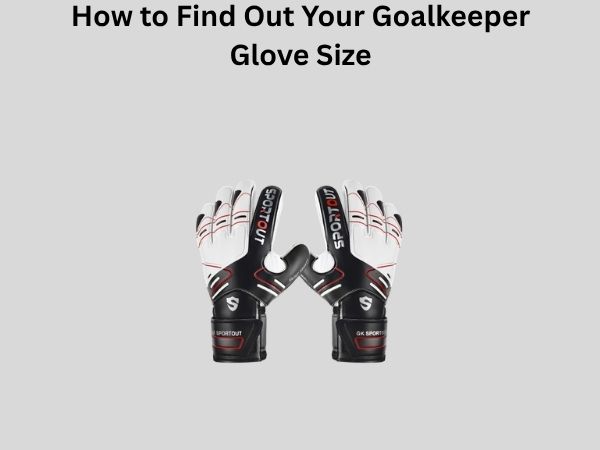
How Gloves Should Fit For Perfect Comfort and Warmth
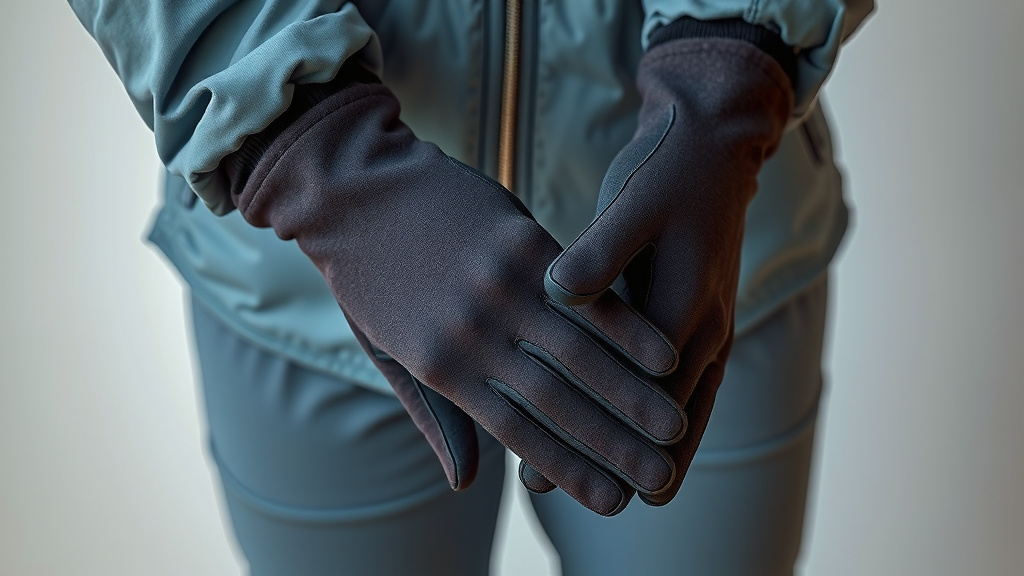
Gloves are supposed to fit snugly but not too tight. You want them to feel like a second skin. This means they shouldn’t restrict your movement or cut off circulation. A proper fit helps with dexterity and comfort.
Finding the right glove size is super important. It affects how well they protect your hands. Too loose, and you risk getting stuff stuck inside. Too tight, and your hands might get sore or numb. We’ve found that a good fit makes a huge difference.
- Gloves should be snug, like a second skin.
- Avoid gloves that are too tight or too loose.
- Check for restricted movement or numbness.
- A proper fit ensures comfort and protection.
Let’s dive into the details of how gloves should feel on your hands. We’ll cover measuring and common fit issues.
Getting the Right Glove Fit: A Practical Guide
Finding gloves that feel just right is more than just a comfort thing. It’s really about making sure they do their job, whether that’s keeping your hands warm, protecting them from injury, or helping you grip better. We’ve all tried on gloves that feel off – maybe too baggy in the fingers, or so tight they make your hands ache. Let’s figure out what a truly proper fit looks and feels like.
Understanding Glove Sizing Basics
Glove sizing isn’t one-size-fits-all. It’s often based on measuring your hand. Most manufacturers use hand measurements to determine the best glove size. This usually involves measuring the circumference of your palm or the length of your hand from the tip of your middle finger to your wrist.
How to Measure Your Hands for Gloves
You’ll need a flexible tape measure for this. If you don’t have one, a piece of string or a strip of paper will work. You can then mark the string or paper and measure it with a ruler.
Measuring Palm Circumference
Wrap the tape measure around the fullest part of your palm. This is typically just below your knuckles, excluding your thumb. Make sure the tape is snug but not tight. You don’t want to be squeezing your hand.
Measuring Hand Length
For hand length, place your hand flat on a surface with your palm facing down. Measure from the tip of your middle finger straight down to the crease at the base of your palm (where your hand meets your wrist). Some guides might suggest measuring to the wrist bone, so check the specific brand’s instructions if you have them.
Using Size Charts Effectively
Once you have your measurements, you’ll compare them to a glove manufacturer’s size chart. These charts are usually available on the brand’s website or on the product packaging. You’ll find sizes like Small, Medium, Large, Extra-Large, or sometimes specific numbers like 7, 8, 9. Remember that sizes can vary a bit between brands, so it’s always best to check the specific chart for the gloves you’re interested in.
What a Good Glove Fit Should Feel Like
Now that you know how to measure, let’s talk about the actual feeling. A well-fitting glove should feel snug everywhere. It shouldn’t be loose or baggy, and it certainly shouldn’t feel like it’s cutting off your circulation. Think of it like a firm handshake – supportive, but not crushing.
Snugness Without Restriction
When you slip on a glove, it should conform to the shape of your hand. Your fingers should reach the end of the glove fingers without being too tight. You should be able to easily make a fist without feeling resistance or the material bunching up uncomfortably. Any extra space in the fingertips can reduce dexterity, making tasks harder.
Checking Finger Fit
Pay close attention to your fingertips. They should touch the end of the glove fingers. If there’s a lot of extra material bunching up at the tips, the glove might be too long. Conversely, if your fingertips feel squished or you can’t quite feel the tips of the glove, they’re likely too short. This can lead to blisters and discomfort. We found that proper finger length is key for fine motor tasks.
Thumb and Hand Position
Your thumb should also fit well. It needs to have enough freedom to move naturally. When you spread your fingers, the thumb seam of the glove shouldn’t pull or feel tight. The glove should cover your wrist comfortably, especially for winter or work gloves. There shouldn’t be a big gap between your sleeve and the glove cuff.
Common Glove Fit Problems and How to Solve Them
Sometimes, even with measurements, gloves don’t feel quite right. Understanding common issues can help you pinpoint the problem and find a better solution.
Gloves That Are Too Tight
If your gloves feel like they’re squeezing your hands, that’s a sign they’re too tight. You might notice numbness, tingling, or your hands feeling cold even though you’re wearing gloves. This constricts blood flow, which is counterproductive, especially in cold weather (Cleveland Clinic). You’ll likely need to size up. Look for gloves with a bit more room around the palm and fingers.
Gloves That Are Too Loose
On the flip side, loose gloves can be just as problematic. Baggy fingers make it hard to grip things precisely. They can also be a safety hazard, as loose material might get caught in machinery. If the gloves slide around on your hands or the fingers flop around, they’re probably too big. You might need to size down or look for gloves with adjustable features like wrist straps.
Issues with Specific Glove Types
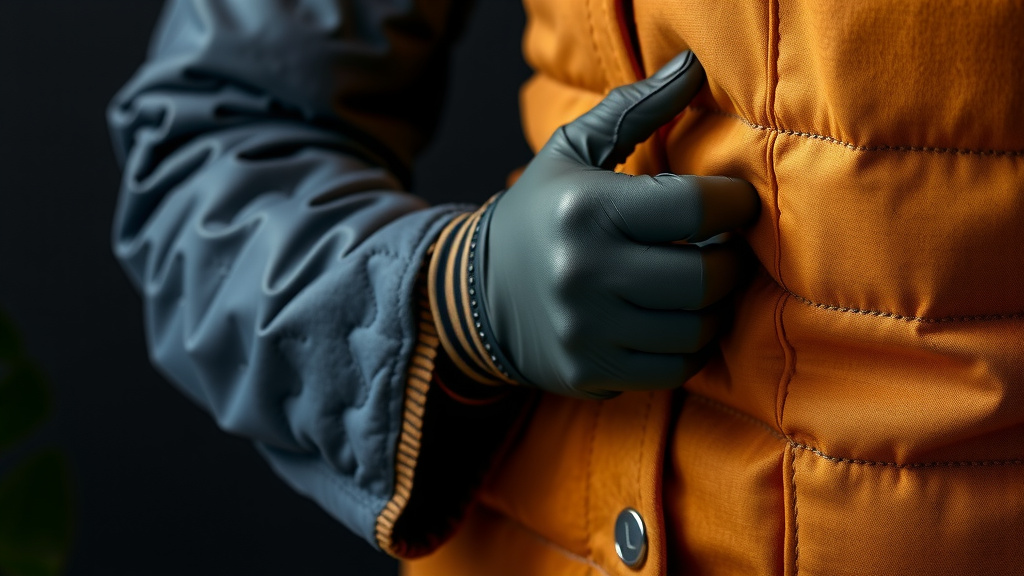
Different types of gloves have different fit expectations. For instance, performance or driving gloves need to be very form-fitting for maximum feel and control. Work gloves might need a bit more room for comfort during long shifts, but still shouldn’t be loose. Ski or winter gloves often have a bit more bulk for insulation, but the lining should still fit smoothly without bunching. We found that understanding the intended use helps in judging the fit.
A Quick Glove Fit Checklist
Before you commit to a pair, run through this quick check:
- Do your fingertips touch the end of the glove fingers?
- Can you make a fist comfortably without the material pulling or bunching?
- Do your thumbs have free movement without feeling restricted?
- Is there any pinching or excessive tightness anywhere on your hand?
- Can you perform basic tasks with reasonable dexterity?
- Does the glove feel supportive rather than constricting?
When to Consider Custom or Specialized Gloves
For some individuals or specific professions, standard sizing might not be sufficient. If you consistently struggle to find gloves that fit well due to unusually large or small hands, or specific dexterity needs, you might consider custom-made gloves. These are tailored precisely to your measurements and can offer the ultimate in comfort and performance. Many artisans and specialized companies offer this service for everything from fashion gloves to industrial hand protection.
Conclusion
You’ve learned that finding the right glove fit is about more than just comfort. It’s about ensuring your hands are protected and your movements aren’t restricted. Remember to measure your hands carefully and consult size charts. A good fit means snugness without tightness, with full finger and thumb movement. Don’t settle for gloves that pinch, bunch, or slide. If standard sizes don’t work, consider custom options for the perfect feel and function. Now, go find those gloves that feel like a true second skin!
Frequently Asked Questions
How do I know if my gloves are too tight?
If your gloves cause numbness, tingling, or make your hands feel cold, they are likely too tight. You might also feel excessive pressure or pinching, especially around the knuckles or palm. Your blood flow should not be restricted when wearing gloves.
What’s the best way to check if glove fingers are the right length?
Your fingertips should just touch the end of the glove fingers, with no significant extra material bunching up. If your fingers feel squished or you can’t feel the glove tips, they are too short. Proper finger length is key for dexterity.
Can a loose thumb on a glove cause problems?
Yes, a loose thumb can definitely cause issues. It can make it difficult to grip items properly and can lead to a loss of fine motor control. You should be able to move your thumb naturally without the glove feeling baggy or floppy.
Should winter gloves fit differently than work gloves?
Winter gloves often have a bit more bulk for insulation, but the fit should still be snug around the hand and fingers without bunching. Work gloves need to allow for movement and comfort during long periods of wear, but shouldn’t be so loose that they hinder grip or pose a safety risk.
What if my hands are between sizes on a glove chart?
If you fall between sizes, consider the type of glove and your intended use. For dexterity-focused gloves, sizing down might be better. For insulated or comfort-focused gloves, sizing up might offer more room. We found that trying both sizes, if possible, is the best approach.