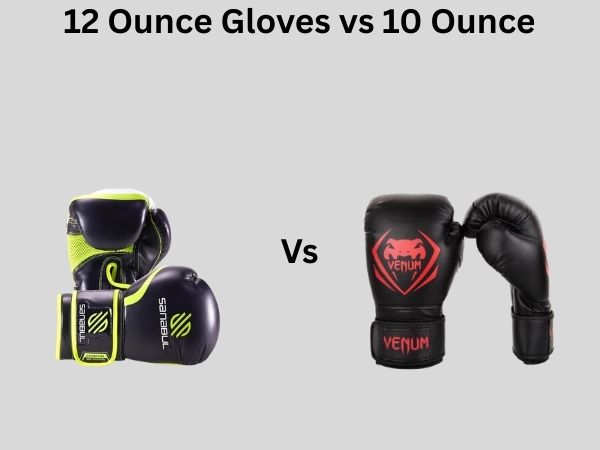
12 Ounce Gloves vs 10 Ounce: Which Is Better for Boxing?
If you’ve ever stepped into a boxing gym, you’ve probably noticed that glove selection isn’t just about grabbing whatever sits on the shelf. The weight of your boxing gloves plays a crucial role in how you train, perform, and protect yourself in the ring. When it comes to choosing between 12 ounce and 10 ounce gloves, the decision isn’t as straightforward as you might think. Both have their merits, and understanding the differences can transform your entire boxing experience.
Let me walk you through everything you need to know about these two popular glove weights so you can make an informed decision that aligns with your boxing goals
Understanding Boxing Glove Weights and Their Significance
Before we dive into the comparison, let’s talk about why glove weight even matters. Think of boxing glove weight like the difference between a feather and a brick—they both can be thrown, but they move differently and land with different force. The ounce measurement refers to the total weight of a single glove, and this seemingly small number influences everything from your punch speed to the protection your hands receive.
The International Boxing Organization and other governing bodies actually regulate glove weights depending on the fighter’s weight class and the type of competition. However, in amateur training, you have more flexibility in choosing what works best for your body and training objectives.
What Exactly Are 10 Ounce Gloves?
The Lightweight Option
Ten ounce gloves are the lighter end of the spectrum, sitting at the lower threshold for professional and advanced amateur boxing. These gloves are often called “speed gloves” because they allow your hands to move with maximum velocity. When you’re wearing 10 oz gloves, your arm doesn’t have to work against as much weight, which means faster hand combinations and quicker reflexes.
Many professional fighters prefer 10 ounce gloves for sparring and training because they simulate the feeling of competition gloves more closely. The reduced padding also means you can feel what’s happening when you land punches and when you get hit, which can sharpen your defensive instincts.
Who Uses 10 Ounce Gloves?
- Professional and semi-professional boxers
- Advanced amateur fighters
- Fighters in middleweight and heavier weight classes
- Those training for competition matches
- Speed-focused trainers and athletes
What Exactly Are 12 Ounce Gloves?
The Protective Powerhouse
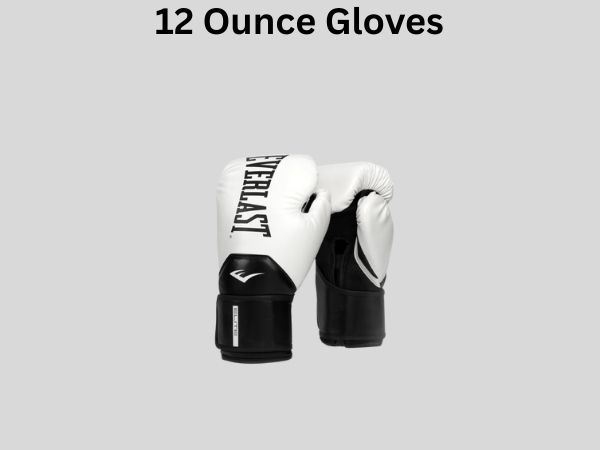
Twelve ounce gloves are the standard choice for most amateur boxers and recreational fighters. This extra weight comes from additional padding that wraps around your fist and knuckles. The 12 oz option provides that cushioning barrier between your hands and the heavy bag, your sparring partner’s face, or the punching mitts.
If 10 ounce gloves are speed demons, then 12 ounce gloves are the careful guardians. They prioritize protection over pure velocity, making them ideal for longer training sessions and sparring where safety is paramount. The additional padding also means less hand fatigue during extended training periods.
Who Uses 12 Ounce Gloves?
- Amateur boxers of all levels
- Beginners and novice fighters
- Recreational boxers and fitness enthusiasts
- Fighters in lower weight classes
- Those prioritizing hand health and longevity
The Key Differences Between 10 and 12 Ounce Gloves
Weight Distribution and Feel
The two-ounce difference might seem trivial, but it’s the difference between night and day when you’re throwing hundreds of punches. When you slip on 10 ounce gloves, you immediately notice the reduction in overall mass. Your arms feel lighter, and your combinations flow more naturally. It’s like comparing a racing bicycle to a mountain bike—both get you where you need to go, but the experience is distinctly different.
With 12 ounce gloves, there’s a more substantial feel. Some fighters describe it as having more “substance” in their hands, which can boost confidence when striking bags or hitting mitts. The added weight provides a constant sensory reminder that you’re wearing protection.
Hand Speed and Combinations
This is where 10 ounce gloves truly shine. The reduced weight translates directly to faster hand speed. If you’re training for competition or you enjoy rapid-fire combinations, 10 oz gloves will let you execute techniques with greater velocity. Professional boxers often notice they can throw 20-30% faster combinations with 10 ounce gloves compared to heavier options.
However, this doesn’t mean 12 ounce gloves make you slow. They simply require more muscular effort to achieve similar speeds, which can actually build more functional hand speed and power when you eventually transition to lighter gloves.
Padding and Protection: A Detailed Comparison
Cushioning for Your Hands
The additional two ounces in 12 ounce gloves almost entirely goes into increased padding. This extra cushioning is distributed around the knuckle area, the palm, and the wrist support region. When you’re throwing thousands of punches over weeks and months, this padding acts like a shock absorber for repetitive stress.
Ten ounce gloves have less padding, which means the impact of each punch travels more directly to your hand. This isn’t necessarily dangerous if you’re training properly with good hand wraps, but it does require more attention to hand care and recovery.
Protection Against Impact
When you’re sparring or hitting heavy bags, 12 ounce gloves distribute impact forces over a larger surface area due to their increased padding. This reduces peak pressure on any single point of your hand. Think of it like the difference between falling on bubble wrap versus falling on a thin mat—the same fall, different outcomes.
Ten ounce gloves still provide protection, especially with quality construction and proper hand wrapping, but they offer less buffering against impact. Some fighters actually prefer this because it gives them better feedback about their technique and hand positioning.
Speed and Agility: The Performance Factor
Training Speed Benefits
Let’s be real: if you want to develop blazing-fast hand speed, 10 ounce gloves are your training tool of choice. The neurological adaptation your nervous system undergoes with lighter gloves carries over when you put on heavier competition gloves. It’s like sprint training making you faster even when you’re running at normal pace.
Boxers who consistently train with 10 ounce gloves often develop quicker reflexes and more explosive hand combinations. The lighter weight also reduces fatigue during high-intensity intervals, allowing you to maintain crisp technique for longer periods.
Footwork and Head Movement
While glove weight directly impacts hand speed, it also subtly affects your overall balance and movement. The reduced weight of 10 ounce gloves means less forward momentum, which can actually improve your lateral movement and head positioning. You’re not fighting against as much inertia when you slip or roll punches.
With 12 ounce gloves, your arms carry more weight, which some fighters find grounds them better and provides more stability during combinations. It’s a trade-off between agility and stability.
Best Use Cases for 10 Ounce Gloves
When to Choose the Lighter Option
If you’re training for an upcoming amateur or professional bout, 10 ounce gloves make excellent sense. Since competition gloves are typically 10 oz for advanced fighters, training with these helps you acclimate to what you’ll wear in the ring. Specificity in training is crucial—you wouldn’t run a marathon in flip-flops just because flip-flops are comfortable for casual wear.
Ten ounce gloves also excel for technique-focused training sessions where you’re working combinations, footwork drills, or precision striking. When you need to drill specific techniques dozens of times, the lighter weight prevents hand fatigue from becoming the limiting factor in your workout.
Competitive sparring also benefits from 10 ounce gloves because they simulate real fighting conditions more accurately. However, this should only be done with experienced partners and proper supervision.
Who Should Use Them
- Advanced amateur boxers preparing for fights
- Professional boxers in training camps
- Fighters with good hand strength and conditioning
- Those training specifically for speed development
- Experience boxers with solid technique foundations
Best Use Cases for 12 Ounce Gloves
When to Choose the Heavier Option
If you’re beginning your boxing journey, 12 ounce gloves are your best friend. The extra padding is forgiving as you learn proper technique, and it reduces the injury risk while your hands and wrists are still adapting to boxing’s unique stresses. It’s like learning to drive on a more forgiving vehicle before graduating to a high-performance sports car.
General fitness training and recreational boxing almost always calls for 12 ounce gloves. Whether you’re hitting a heavy bag for cardio or doing mitt work with a trainer, the heavier gloves protect your hands during longer sessions while still providing an excellent workout.
Sparring for learning purposes, especially with beginners and intermediate fighters, should virtually always involve 12 ounce gloves. The reduced impact force helps everyone stay safer while still getting quality work in.
Who Should Use Them
- Beginning and novice boxers
- Recreational fitness boxers
- Fighters with hand issues or previous injuries
- Anyone doing extensive heavy bag work
- Those prioritizing hand health and longevity
- Fighters in lighter weight classes
Training Impact and Performance Metrics
Cardiovascular and Conditioning Effects
Here’s something many people overlook: glove weight affects your cardiovascular demands. Ten ounce gloves require less muscular effort to move, which means your arms can sustain faster combinations for longer before fatigue sets in. This allows you to maintain higher intensity throughout a training session.
Twelve ounce gloves demand more muscular effort with each punch, which increases overall muscular fatigue but can actually enhance conditioning adaptations. Your muscles work harder, even if your hands move slower. It’s the difference between running uphill versus running on flat ground—different benefits, different challenges.
Punch Power Development
Interestingly, training with heavier gloves can actually improve your punch power when measured in lighter gloves. The increased muscular demand builds stronger striking muscles. However, 10 ounce gloves allow you to practice explosive technique more frequently, which is also crucial for power development.
Most elite boxers use both weights strategically—10 oz for speed work and technique drilling, 12 oz for power building and conditioning blocks.
Hand and Wrist Support Differences
Wrist Stability
The wrist area is critical in boxing, and glove design here significantly impacts injury prevention. Twelve ounce gloves typically feature more substantial wrist support due to their additional padding and construction material. If you’ve had wrist issues or you’re working with weaker wrists, the extra support becomes invaluable.
Ten ounce gloves provide adequate wrist support in modern designs, but they offer less substantial cushioning around the wrist joint. Combined with proper hand wrapping technique, they’re safe, but they demand better hand conditioning and wrist strength.
Knuckle and Palm Protection
Your knuckles absorb tremendous impact during boxing. The additional padding in 12 ounce gloves creates a thicker buffer zone for your knuckles, reducing impact stress on the small bones in your hand. This is especially important when hitting heavy bags regularly.
The palm area also benefits from extra padding in 12 oz gloves, as this is where you absorb impact when catching punches during mitts or sparring. More padding here equals less hand fatigue and soreness.
Durability and Longevity Factors
Glove Lifespan
Contrary to what you might expect, 10 ounce gloves often last longer than 12 ounce gloves. This is because they experience less cumulative impact force, which means less material breakdown and padding compression over time. Think of it like the difference between carrying a light backpack versus a heavy one—less overall stress on the materials.
Twelve ounce gloves compress faster due to the increased use of padding materials. Heavy bag work, in particular, compresses the padding significantly over months of training. However, quality construction matters tremendously—premium 12 oz gloves can last years with proper care.
Hand Health Long-term
Using 12 ounce gloves for most training protects your hands better long-term, potentially extending your boxing career. Professional boxers who train exclusively with 10 oz gloves sometimes experience hand issues after years of accumulated impact.
Many successful boxers use a hybrid approach: lighter gloves for competition preparation and speed work, heavier gloves for general training and conditioning. This balances the benefits of both while minimizing long-term wear and tear.
Price Considerations
Cost Differences
Generally speaking, 12 ounce gloves are slightly less expensive than quality 10 ounce gloves. This makes sense because 10 oz gloves are more specialized for advanced training, so they command a premium among manufacturers.
Budget options exist in both categories, but investing in quality gloves matters more than choosing between weights. A budget 10 oz glove might cost $50, while a budget 12 oz glove might cost $45. However, quality 10 oz gloves run $80-120, while quality 12 oz gloves run $60-100. You’ll use your gloves hundreds of hours, so spending more upfront saves money long-term.
Value for Your Training Goals
From a value perspective, beginners get better value from 12 ounce gloves because you’ll use them longer before potentially upgrading. Advanced fighters get better value from 10 oz gloves because they directly support your competition goals. It’s not about which is objectively cheaper, but which provides better