How Should Goalie Gloves Fit for Peak Performance
Goalie gloves should fit snugly, like a second skin, with about a half-inch of space between your longest finger and the end of the glove. This ensures a great feel for the ball and prevents your hand from sliding around. Too much space means loss of control; too little means discomfort and reduced flexibility.
Getting the fit right is essential for a goalie’s performance. It affects your ability to catch, punch, and control the ball. A glove that’s too big can hinder your movements, while one that’s too tight can cause pain and restrict blood flow. We found that many goalkeepers overlook this simple step, impacting their game.
- Fit should be snug, not tight.
- Allow about half an inch of finger room.
- Check for hand slippage inside the glove.
- Comfort is key for performance.
Let’s walk through exactly how to make sure your goalie gloves fit like a dream.
Getting the Right Glove Fit: A Goalie’s Guide
Your goalie gloves are your best friends on the field. Getting the fit just right is super important. It affects your confidence. It also impacts your ability to make saves. We found that a proper fit is often overlooked. This can lead to problems during games. Let’s make sure your gloves feel like they were made just for you.
Understanding Your Hand Measurements
Before you even look at gloves, you need to know your hand size. This is the first step to a perfect fit. It’s not as tricky as it sounds. You just need a soft measuring tape and a little patience. We found this simple step makes a big difference.
Measuring Your Hand Length
Start by laying your dominant hand flat on a piece of paper. You want your palm facing down. Make sure your fingers are together. Then, have someone trace around your hand. You’ll want to mark the tip of your longest finger. Also, mark the bottom of your palm. This is usually at the wrist crease. Measure the distance between these two points. This measurement is your hand length. Do this for both hands, as they might be slightly different sizes.
Measuring Your Hand Width
Next, you’ll measure the width of your palm. While your hand is still flat on the paper, measure across the widest part of your palm. This is typically just below your fingers. Again, have someone help you for the most accurate measurement. Record this number as well. These two measurements are key for choosing the right glove size.
How Glove Sizing Works
Goalie glove sizing can seem a bit confusing at first. Most brands use a numerical system. This system is usually based on the length measurement of your hand. You’ll often see sizes like 7, 8, 9, 10, and so on. Keep in mind that sizing can vary a bit between brands. That’s why checking specific brand charts is a good idea.
Standard Sizing Charts
We found that most glove manufacturers provide sizing charts. These charts will help you convert your hand measurements into a glove size. Look for charts that match the brand of gloves you’re interested in. Generally, your hand length measurement in inches will correspond to a glove size. For example, a 7-inch hand might need a size 7 glove. Always double-check the specific brand’s recommendations.
When to Size Up or Down
Sometimes, your measurements might fall between two sizes. This is where personal preference comes in. If you prefer a very snug fit, you might consider sizing down. If you like a bit more room, especially for latex gloves that can stretch, sizing up slightly might work. However, for a true second-skin feel, sticking close to your measured size is usually best. Many experts suggest aiming for the smaller size if you’re on the fence. This avoids a glove that’s too loose later on.
The Feel of a Proper Fit
A glove that fits well should feel like an extension of your hand. It shouldn’t be restrictive. It also shouldn’t be so loose that your hand slides around inside. We found that goalkeepers often focus too much on finger length and forget about the overall feel. Comfort is king here.
The “Second Skin” Test
When you put the glove on, it should feel snug all over. It should contour to your hand. There shouldn’t be any significant pinching or tightness. Your fingers should reach the end of the glove. But there should be a small gap. About a half-inch of space is ideal. This gives your fingers a little room to move. It also helps with shock absorption when catching the ball. If your fingers jam into the fingertips, the glove is too small.
Checking for Hand Slippage
This is a critical test. Make a fist inside the glove. Does your hand move around inside? Does the glove bunch up anywhere? If you feel your hand sliding, especially in the palm area, the glove is too big. This slippage can lead to a loss of control. It also makes it harder to grip the ball securely. You want the glove to move with your hand, not independently.
Finger Flexibility and Movement
Can you easily bend your fingers? Can you make a full fist? A good glove won’t restrict your natural hand movements. You need to be able to grip the ball firmly. You also need to be able to punch effectively. If the glove feels stiff or binds your fingers, it’s likely too tight or the cut isn’t right for your hand. We found that a glove that allows full finger articulation is essential for ball control.
Trying On Gloves: What to Look For
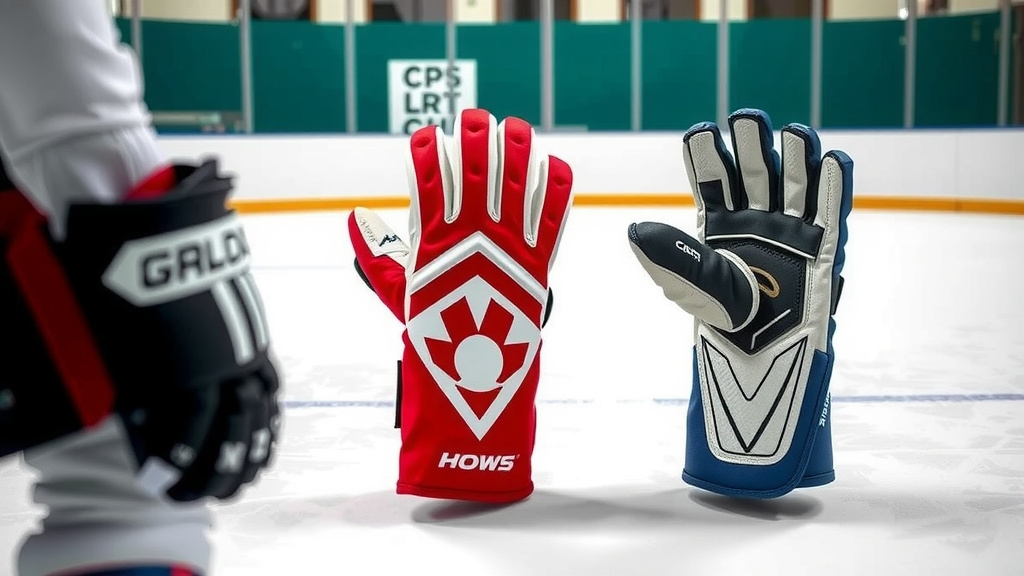
The best way to ensure a good fit is to try gloves on. You can’t always rely solely on measurements. Every brand and model can fit slightly differently. Don’t be afraid to spend some time with them.
The Wrist Strap and Closure
Pay attention to how the wrist strap feels. It should provide a secure closure. It shouldn’t be digging into your wrist. Most gloves have Velcro straps. Make sure the Velcro has enough surface area to secure properly. Some gloves have elasticated cuffs. These should offer a snug fit without cutting off circulation. The closure system helps keep the glove in place and supports your wrist.
Finger Gussets and Palm Design
Look at the area between your fingers. These are called gussets. They influence how the glove bends and stretches. Some gloves have external seams, while others have internal. This affects the feel of the glove. Also, check the palm. It should feel smooth against your hand. There shouldn’t be any awkward bunching of latex. We found that the palm’s comfort directly impacts your confidence in catching.
Common Fit Issues and How to Solve Them
Even with careful measuring, you might encounter a few fit challenges. It’s good to know how to address them. Most issues can be resolved by understanding what’s going wrong.
Gloves Too Tight: Signs and Solutions
If your fingers feel numb or tingly, the gloves are too tight. This can restrict blood flow. We found that this is more common with gloves that have a very narrow fit. If the glove feels tight across the knuckles or the widest part of your palm, it might be the wrong size. Sometimes, if it’s just slightly too tight, gloves made from latex might stretch a little over time. However, it’s generally better to find a glove that fits well from the start.
Gloves Too Loose: Signs and Solutions
If your hand slides around, the gloves are too loose. You might feel excess material in the palm or fingers. This can lead to fumbles. It also affects your ability to feel the ball. If there’s a lot of space in the fingertips, your control will suffer. Using a tighter wrist strap might help a little. But if the palm or fingers are too big, you really need a smaller size. Sometimes, adding a thin layer of sports tape to your fingers can help take up a bit of space. But this is a temporary fix.
A Quick Fit Checklist
Before you commit to a pair, run through this quick checklist:
- Finger Room: Is there about half an inch of space at the fingertips?
- Snugness: Does the glove feel comfortably snug all over, like a second skin?
- No Slippage: Does your hand stay put when you make a fist or move it?
- Flexibility: Can you bend your fingers and make a full fist without resistance?
- Wrist Support: Does the wrist closure feel secure and comfortable?
- No Pinching: Are there any points of discomfort, tightness, or pinching?
Conclusion
Getting your goalie gloves to fit right is more than just comfort; it’s about performance. You’ve learned how to measure your hands accurately and what a truly snug, yet flexible, fit feels like. Remember that “second skin” feeling and the half-inch finger room we talked about. These aren’t just guidelines; they’re your ticket to better ball control and confidence. Don’t settle for gloves that don’t feel perfect. Take the time to try them on, check for slippage, and ensure full movement. Your next step? Apply these tips the next time you’re looking for that ideal pair of gloves.
Frequently Asked Questions
How much space should I have at the fingertips of my goalie gloves?
You should aim for about a half-inch of space between your longest fingertip and the end of the glove. This small gap provides enough room for comfort and shock absorption without making the glove feel too loose. It helps prevent your fingers from jamming.
Can goalie gloves stretch to fit if they are slightly too tight?
Gloves made from materials like latex can stretch a little over time with wear. However, it’s best to find gloves that fit well from the start. If a glove is significantly too tight, it can restrict blood flow and remain uncomfortable.
What’s the biggest problem with gloves that are too loose?
Gloves that are too loose can cause your hand to slip inside, leading to a loss of control and fumbles. You’ll also have a harder time gripping the ball securely. Excess material in the palm or fingers reduces your feel for the ball.
Should I always go by the size chart or try gloves on?
While size charts are a great starting point, they can vary between brands. Always try gloves on if possible. Every brand and model fits a little differently, so testing them out ensures you get the best feel and performance.
How do I know if the wrist closure is right?
The wrist strap should provide a secure closure without digging into your wrist. It needs to keep the glove firmly in place and offer support. Ensure the Velcro has enough surface to grip properly, and elasticated cuffs shouldn’t cut off circulation.