How Football Gloves Are Made: A Step-by-Step Guide
Football gloves are made using a multi-step process that involves careful material selection and precise construction. Manufacturers combine sticky palm materials like silicone and latex with durable backhand fabrics such as spandex or neoprene. These components are then expertly stitched together to create the gloves you wear on the field.
The goal is to create gloves that offer both a superior grip and comfortable flexibility. Different types of gloves use varying combinations of materials and construction techniques. This ensures players have the right gear for their specific position and playing style, whether they’re wide receivers or defensive backs. They’re designed for peak performance.
- Football gloves combine sticky palms with flexible backhands.
- Key materials include silicone, latex, spandex, and neoprene.
- The manufacturing process focuses on grip and durability.
- Different glove types are designed for various player needs.
Let’s walk through exactly how these essential pieces of equipment come to life, from raw materials to game-ready gloves.
How Football Gloves Get Their Grip and Feel
Ever wonder what makes your football gloves stick to the ball like glue? It’s all in the design and materials. Manufacturers carefully select components for the palm and backhand. Then, they combine them using precise techniques. This process ensures you get the grip and comfort you need. We found that the best gloves balance these two needs perfectly.
The Palm: Where the Magic Happens
The palm is the most critical part of your football glove. This is where the stickiness comes from. Without a good grip, catching passes becomes a whole lot harder. Think of it like a great handshake – you want that firm, confident connection.
Sticky Palm Materials Explained
Most modern gloves use a special coating on the palm. This coating is often made from silicone or a synthetic latex blend. These materials create a tacky surface. It helps to increase friction between your hand and the football. We found that silicone-based coatings tend to offer a more consistent grip in various weather conditions.
Some gloves might also incorporate small, textured patterns within the palm material. These can be dots, lines, or even small logos. Research indicates these textures can further enhance grip by creating more contact points with the ball’s surface. It’s like having tiny suction cups working for you.
Why These Materials Work
Why do these specific materials work so well? It’s about their physical properties. Silicone and latex have a natural tackiness. They deform slightly when pressed against a surface. This slight deformation increases the surface area of contact. More contact means more friction. Many sports scientists note that friction is key for transferring force and preventing slippage.
The Backhand: Flexibility and Protection
While the palm is all about grip, the backhand of the glove focuses on flexibility and protection. You need to be able to move your fingers freely. You also want a bit of padding to protect against impacts. Think about diving for a ball or getting your hand stepped on.
Common Backhand Fabrics
You’ll often see fabrics like spandex or neoprene used for the backhand. Spandex is a stretchy synthetic fiber. It allows for a snug, comfortable fit. It moves with your hand, not against it. Neoprene is a type of synthetic rubber. It offers good cushioning and durability. It’s also somewhat water-resistant, which is a plus on a rainy game day.
Some high-end gloves might use mesh panels. These help with breathability. Nobody likes sweaty hands inside their gloves. Good airflow keeps your hands cooler and drier. This can help maintain your grip, as moisture can reduce tackiness.
Padding and Reinforcement
Beyond the fabric, there’s often added padding. This is usually placed over the knuckles and the back of the fingers. It’s designed to absorb some of the shock from impacts. We found that the amount and placement of padding can vary greatly by glove type. Linemen might get more robust padding than wide receivers.
The Construction Process: Stitching It All Together
Once the materials are chosen, the real work begins. Skilled workers cut the fabric pieces according to precise patterns. Then, they stitch them together. The stitching needs to be strong and accurate. A weak seam can lead to rips and tears, especially under the stress of a game.
Cutting and Pattern Making
Manufacturers use detailed templates or computer-aided design (CAD) systems. These ensure every piece is cut to the exact dimensions. This precision is vital. It guarantees that the glove fits your hand properly. A glove that’s too tight or too loose won’t perform well. We found that consistency in cutting is a hallmark of quality glove production.
Sewing Techniques for Durability
The actual sewing is done using industrial sewing machines. They use strong, specialized threads. Different stitches are used for different parts of the glove. For example, the main seams might use a reinforced lockstitch. The connection points, like where the palm meets the backhand, often receive extra attention. This is a high-stress area.
Consider the process like building a house. You need a solid foundation and strong walls. In gloves, the stitching is that foundation and those walls. It holds everything together. Many manufacturers invest heavily in training their sewing teams. This ensures a high-quality end product.
Adding Special Features
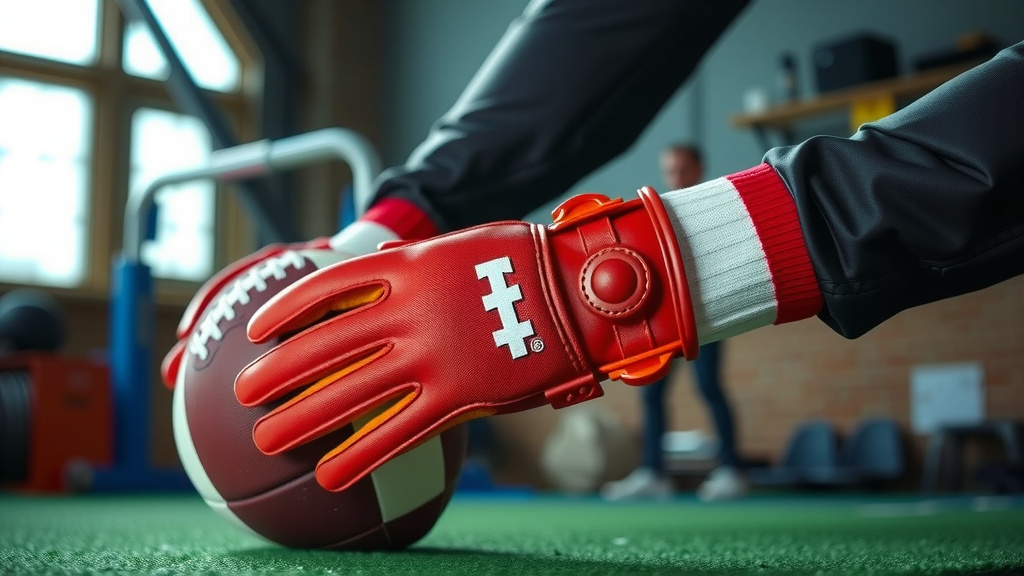
As the glove comes together, special features are added. This might include adjustable wrist straps. These are often made of Velcro or a similar hook-and-loop fastener. They allow you to customize the fit around your wrist. A snug fit here prevents the glove from shifting during play.
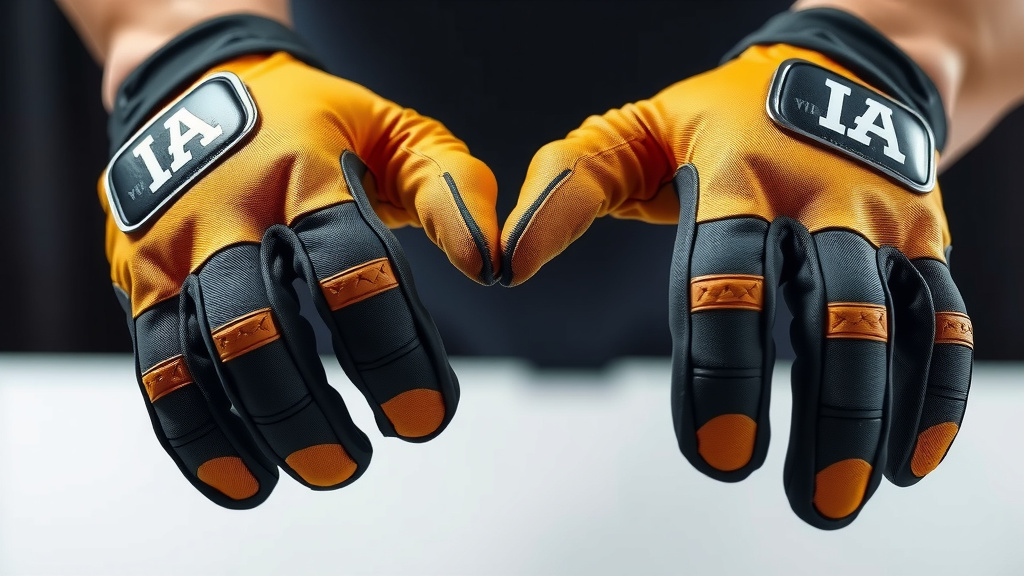
Some gloves also have specific reinforcements. You might find extra padding or tougher material on the fingertips. This is especially true for gloves designed for positions that require a lot of hand-eye coordination, like receivers. They need protection without sacrificing feel.
Quality Control: Ensuring Peak Performance
Before any glove leaves the factory, it goes through rigorous quality control checks. Each glove is inspected for defects. This includes checking the stitching, the palm material, and the overall fit. They look for any imperfections that could affect performance or durability. This step is crucial for maintaining brand reputation. Research shows that consistent quality is key to customer loyalty.
Here’s a quick look at what goes into making your football gloves:
- Designing patterns for each glove piece.
- Selecting the right sticky palm materials (silicone, latex).
- Choosing flexible and durable backhand fabrics (spandex, neoprene).
- Precisely cutting the material components.
- Expertly stitching all the pieces together for strength.
- Adding reinforcements, padding, and wrist straps.
- Conducting thorough quality control checks.
Conclusion
You’ve seen how football gloves transform from raw materials into essential gear. Manufacturers carefully blend sticky palms with flexible backhands. Precise cutting and stitching ensure a comfortable, durable fit. Quality control guarantees they’re ready for peak performance. Now you know what goes into those gloves that help you make the catch. Next time you step onto the field, you’ll appreciate the craft behind your grip. Consider looking for gloves with specific features that match your position.
Frequently Asked Questions
Can any material make a football glove sticky?
Not just any material will work. Manufacturers use specialized coatings like silicone or synthetic latex. These materials are chosen for their ability to increase friction and create a tacky surface. Research shows these specific compounds offer the best grip.
Why are different fabrics used for the backhand?
The backhand needs to be flexible and comfortable. Fabrics like spandex offer stretch and a snug fit. Neoprene provides cushioning and durability. Breathable mesh is also used to keep your hands cool and dry, which helps maintain grip.
How important is the stitching in football gloves?
Stitching is extremely important for durability. Strong, precise stitching holds the glove together under stress. It prevents rips and tears during intense play. Many manufacturers use reinforced techniques for high-wear areas.
Do all football gloves have wrist straps?
No, not all football gloves include wrist straps. Some models offer them for adjustable fit and to prevent shifting. Other gloves might rely on a snug fabric fit around the wrist. It often depends on the intended position and player preference.
What happens after the gloves are stitched together?
After stitching, gloves undergo quality control. Inspectors check for any defects in materials or construction. This ensures each pair meets performance and durability standards before being shipped. This final check is vital for customer satisfaction.