Gauntlet vs Short Cuff Ski Gloves: Which Is Right For You
For skiers, the choice between gauntlet vs. short cuff gloves often comes down to your primary need: maximum warmth and snow protection or better wrist mobility. Gauntlet gloves offer superior protection from deep snow and wind, making them ideal for powder days. Short cuff gloves, on the other hand, provide more flexibility and are often preferred for warmer conditions or when fine motor skills are important.
Understanding the differences helps you pick the right pair for your ski adventures. We’ve looked at what makes each style unique. Think about how you ski and what conditions you’ll face most often. This will guide you toward the best choice for your hands.
- Gauntlet gloves keep snow out better.
- Short cuff gloves give more wrist freedom.
- Consider powder days for gauntlets.
- Think about warmer weather for short cuffs.
- Your skiing style is key to the decision.
Below, we break down the key differences between gauntlet and short cuff ski gloves to help you make the best choice for your next day on the mountain.
Choosing Your Ideal Ski Glove Style: Gauntlet vs. Short Cuff
So, you’re heading to the slopes and wondering about gloves. It’s a common question: do you go for the long, sweeping gauntlet style or the more compact short cuff? Both have their merits, and the right choice really depends on your personal skiing style and the conditions you expect. We’ve found that understanding their core differences makes this decision much easier. Let’s break them down.
Understanding the Gauntlet Glove
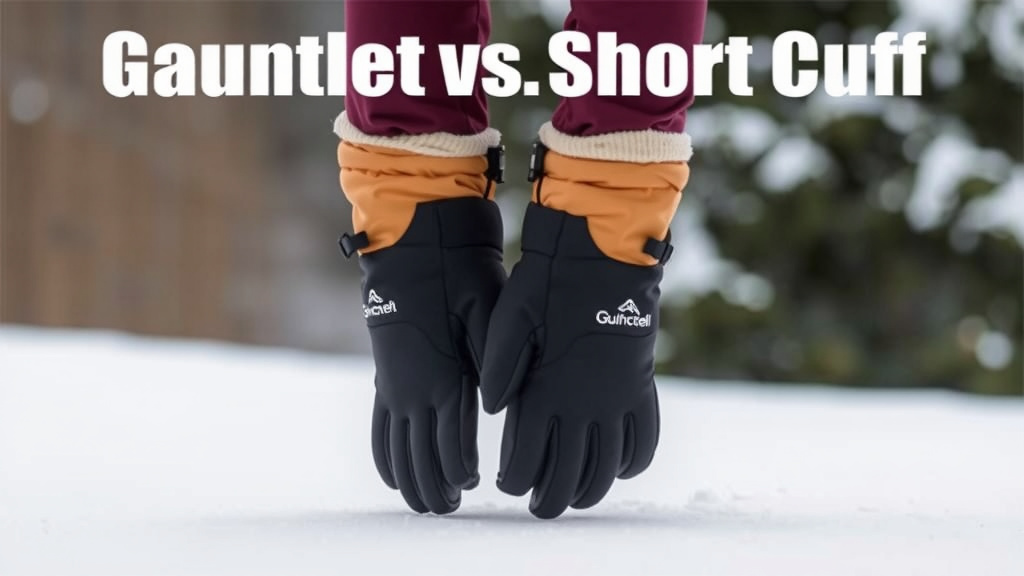
Imagine a deep powder day. You’re carving through fresh snow, and it’s flying everywhere. This is where the gauntlet glove truly shines. Its main feature is the extended cuff that goes over your jacket sleeve. This design acts like a barrier, keeping snow, wind, and cold air from sneaking into your gloves and chilling your hands.
The Protective Power of the Gauntlet
The extended cuff isn’t just for show. It creates a more robust seal. This seal is vital for preventing snow entry. Think of it like a built-in gaiter. When you fall, or when snow sprays up from your skis, the gauntlet helps keep everything out. We found that this extra layer of protection is a huge comfort boost on frigid days.
Warmth and Insulation Benefits
Gauntlet gloves often have more room for insulation. This is because the cuff is longer. This extra space allows manufacturers to pack in more warming materials like down or synthetic fills. Many skiers find that gauntlet gloves keep their hands warmer for longer periods, especially in very cold environments. Research suggests good insulation is key to preventing frostbite (CDC).
Exploring the Short Cuff Glove
Now, let’s talk about the short cuff glove. This style is more streamlined. Its cuff typically ends right at or slightly below your wrist bone. The primary advantage here is unrestricted wrist movement. If you value dexterity and freedom, this might be your go-to.
Enhanced Dexterity and Freedom of Movement
Have you ever felt your gloves bunch up uncomfortably inside your jacket sleeve? Short cuff gloves often avoid this. They tend to be less bulky. This means better articulation for your wrists. You might find it easier to grip ski poles, adjust goggles, or even use your phone with short cuff gloves on. We’ve heard from many skiers that this freedom is essential for their comfort.
Suitability for Warmer Conditions
On sunny spring days or during strenuous uphill climbs, you might actually overheat in a heavily insulated gauntlet. Short cuff gloves, especially those with lighter insulation or even just a waterproof shell, are ideal for warmer temperatures. They offer protection from the elements without causing your hands to sweat excessively. This breathability can make a big difference in comfort (Mayo Clinic).
Key Differences at a Glance
To make things super clear, let’s put the main differences side-by-side. This comparison can help you quickly see which style might fit your needs best.
| Feature | Gauntlet Glove | Short Cuff Glove |
|---|---|---|
| Cuff Length | Extends over jacket sleeve | Ends at or below wrist bone |
| Snow/Wind Protection | Superior, excellent seal | Good, but less complete seal |
| Wrist Mobility | Slightly more restricted | Excellent, full range |
| Insulation Potential | Higher, more room for warmth | Moderate, less room for bulk |
| Best For | Deep powder, cold, stormy days | Warmer days, spring skiing, hiking, general resort skiing |
Which Style is Right for You? Consider This…
The decision isn’t always black and white. Think about your typical ski days. Do you live for those epic powder dumps where the snow is waist-deep? If so, the superior snow protection of a gauntlet is probably a winning feature. The extra effort to seal out the snow is worth it when you’re playing in the fresh stuff.
On the other hand, if you’re more of a resort skier who hits the groomed runs and enjoys sunny afternoons, a short cuff might be more practical. Maybe you do some ski touring or spend time in the terrain park. In these scenarios, dexterity and ease of movement are often more critical than maximum snow exclusion. Many experts suggest that choosing gloves based on activity is key to comfort and performance.
When to Choose Gauntlet Gloves
Research and common skier feedback point to gauntlet gloves being the preferred choice for several scenarios. If you consistently ski in very cold temperatures, they offer a clear advantage in warmth. They are also the top pick for backcountry skiing where unexpected weather changes and deep snow are common. If you find your jacket sleeves are always getting snow inside them, a gauntlet will fix that problem.
When to Choose Short Cuff Gloves
Short cuff gloves often get the nod for their versatility. If you’re a beginner, you might appreciate the less bulky feel. For warmer climates or seasons, they provide adequate protection without overheating. Skiers who need to frequently adjust equipment, use their hands for tasks, or prefer a less cumbersome feel often lean towards short cuffs. We found that lighter, more flexible gloves can boost confidence for some skiers.
Quick Glove Checklist Before You Buy
Here’s a quick way to summarize what you should think about:
- Do you ski mostly in powder or fresh snow? (Gauntlet might be better)
- Are you often in extremely cold conditions? (Gauntlet offers more warmth)
- Do you need maximum wrist flexibility for pole planting or other tasks? (Short cuff is better)
- Do you ski in warmer spring conditions or engage in high-exertion activities? (Short cuff is great)
- Is keeping snow out of your jacket sleeve a priority? (Gauntlet excels here)
- Do you dislike bulky feeling gloves? (Short cuff is usually sleeker)
Conclusion
You now have a clear picture of gauntlet versus short cuff ski gloves. Remember, the best glove for you hinges on your skiing habits and the conditions you face most often. Gauntlet gloves offer superior warmth and snow protection, perfect for deep powder or frigid days. Short cuff gloves provide better wrist mobility and are ideal for warmer weather or when you need more dexterity. By considering our checklist and thinking about your typical ski experience, you’re well on your way to choosing the right pair. Make your next trip to the mountain as comfortable and enjoyable as possible by selecting gloves that truly fit your needs!
Frequently Asked Questions
Can I wear short cuff gloves in the powder?
Yes, you can, but they might not offer the same level of protection as gauntlet gloves. If you’re skiing in deep powder, snow can more easily enter the top of the cuff and your jacket sleeve. For most resort skiing and lighter powder days, they can work well, especially if you’re careful when falling.
Do gauntlet gloves make my wrists feel stiff?
Some skiers find gauntlet gloves slightly more restrictive in wrist movement compared to short cuffs. However, modern designs have improved flexibility. If wrist mobility is a major concern, look for gauntlet models that are specifically engineered for better articulation without sacrificing their protective qualities.
Which glove type is better for ski touring or backcountry?
For backcountry and ski touring, gauntlet gloves are generally recommended due to the unpredictable weather and deeper snow often encountered. Their superior seal against snow and wind offers better warmth and protection when you’re away from the resort. However, some touring skiers prefer short cuffs for the added dexterity needed for equipment adjustments.
Are short cuff gloves always less warm than gauntlet gloves?
Not necessarily. While gauntlet gloves often have more space for insulation, a high-quality short cuff glove with excellent insulation can still be very warm. The key is the quality and type of insulation used, rather than just the cuff length. However, the gauntlet’s design offers an extra layer of defense against cold air infiltration.
How do I ensure my gloves fit properly with my jacket sleeve?
For gauntlet gloves, the cuff is designed to go over your jacket sleeve, creating a seal. For short cuff gloves, the cuff typically tucks inside your jacket sleeve. Ensure there’s no uncomfortable bunching or gaps where snow could enter, regardless of the style you choose. A good fit prevents cold air and moisture from getting in.