Heavy Bag Gloves vs Sparring Gloves: What’s the Difference
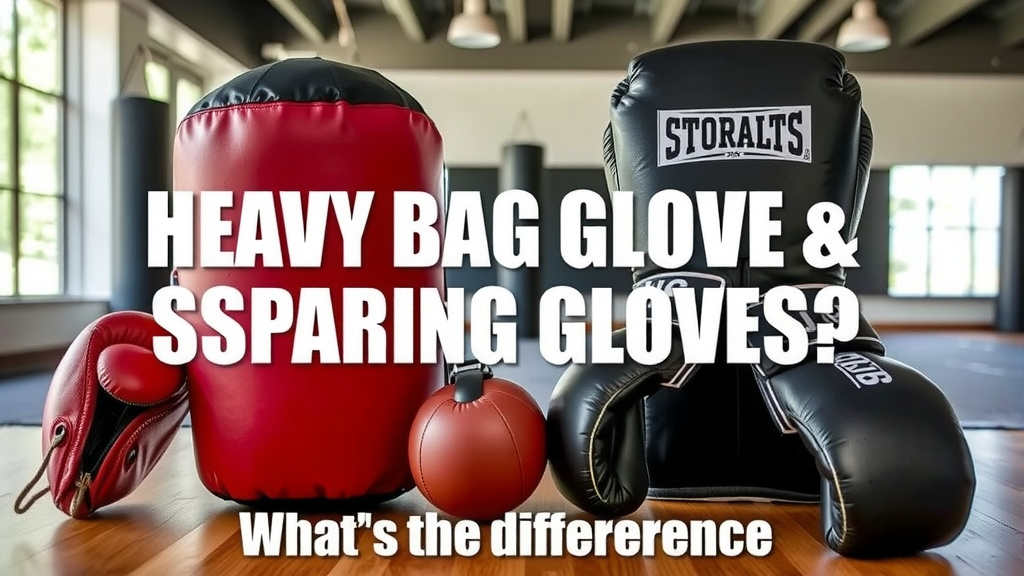
When choosing between heavy bag gloves and sparring gloves, remember they serve different jobs. Heavy bag gloves are built for durability and protection. Sparring gloves prioritize safer impact for both you and your training partner. Your choice depends on whether you’re hitting bags or people. Our guide to boxing gloves vs sparring gloves details their distinct purposes.
We found that the main difference lies in their padding and construction. Heavy bag gloves often have thinner, denser padding to protect your hands from hard impacts. Sparring gloves feature thicker, softer padding to cushion blows and reduce the risk of injury during partner drills. It’s about protecting your knuckles versus protecting your partner’s head.
- Heavy bag gloves = durability and hand protection.
- Sparring gloves = safety for you and your partner.
- Padding is the biggest difference.
- Choose based on your training activity.
Let’s break down exactly what makes each type of glove unique and how to pick the right pair for your boxing journey.
“`htmlUnderstanding the Difference Between Heavy Bag and Sparring Gloves
Choosing the right gloves is key to your training. You might wonder what makes heavy bag gloves different from sparring gloves. We found that they’re designed for very different purposes.
What are Heavy Bag Gloves For?
Heavy bag gloves are your best friend for hitting the bag. They help protect your hands from the repeated impact. Think of them as armor for your knuckles. They allow you to put power into your punches without hurting yourself.
Durability is Key
These gloves need to be tough. They take a beating, so they’re made with more durable materials. The stitching is often reinforced. This ensures they can withstand constant, hard contact.
Padding for Protection
The padding in heavy bag gloves is usually thinner and denser. This might sound counterintuitive, but it’s for a good reason. Denser padding offers firm support to your hand. It prevents your hand from collapsing on impact. This helps protect your metacarpals (the long bones in your hand).
What are Sparring Gloves For?
Sparring gloves are built with safety in mind. Their main job is to reduce the risk of injury to both you and your training partner. They are designed for controlled contact during practice fights.
Padding for Cushioning
The padding here is much thicker and softer. This allows the glove to absorb and distribute the force of a punch. It cushions the blow, making it less likely to cause harm. Many experts suggest this softer padding is essential for preventing concussions and other head injuries (Cleveland Clinic).
Protecting Your Partner
When you spar, you’re hitting another person. Their safety is just as important as yours. Sparring gloves help ensure your punches feel like a controlled impact, not a knockout blow. This allows you to practice technique and defense realistically.
Key Differences in Construction and Feel
Let’s look closer at what makes these gloves feel and perform so differently. It all comes down to their design and materials.
Padding Density and Thickness
This is the most significant difference. Heavy bag gloves use padding that feels firmer. It offers less give. Sparring gloves have a lot of soft, plush padding. It feels like hitting a pillow compared to a bag glove.
We found that the goal for heavy bag gloves is to keep your hand stable. For sparring gloves, the goal is to spread the impact widely. This protects the person receiving the punch.
Outer Material and Durability
Heavy bag gloves often use tougher materials. Think synthetic leather or thicker genuine leather. This helps them resist tearing from abrasive bag surfaces. Sparring gloves might use softer leather or synthetic materials. They don’t need the same level of abrasion resistance.
Closure System
Both types of gloves typically use Velcro or lace-up closures. Velcro is convenient for quick on and off. Lace-up closures can offer a more secure, custom fit, often preferred for sparring to ensure the glove stays on securely. However, many modern sparring gloves feature secure Velcro straps.
| Feature | Heavy Bag Gloves | Sparring Gloves |
|---|---|---|
| Primary Use | Hitting heavy bags, speed bags, pads | Partner training, sparring, mitt work |
| Padding | Thinner, denser, firmer | Thicker, softer, more cushioning |
| Hand Protection | Excellent for impact absorption for your hand | Excellent for impact dispersal for your partner |
| Durability | High, designed for abrasive contact | Moderate, designed for partner contact |
| Feel | More direct feel of impact | Softer, more cushioned impact |
When to Use Which Glove
It’s really about matching the glove to the task. You wouldn’t wear running shoes to lift weights, right? The same applies here. Using the wrong glove can lead to injury.
For Bag Work
Always reach for your heavy bag gloves when you’re working the bag. They protect your hands from the hard surface. They help you develop power and technique without risking a sprained wrist or bruised knuckles.
For Partner Drills
When you’re drilling with a partner, or in a sparring session, sparring gloves are a must. They protect both you and your training buddy. Safety first is the golden rule in boxing.
Can You Use One for the Other?
Using sparring gloves on a heavy bag is generally not recommended. The soft padding can break down quickly. It won’t offer your hand the firm support it needs. This can lead to hand injuries. Heavy bag gloves on a person? Absolutely not! They don’t offer enough cushioning and could cause serious harm.
Making the Right Choice for Your Training
Think about your training goals. What are you doing most often? Your answer will guide your glove choice.
Consider Your Training Regimen
If you spend most of your time hitting the heavy bag, invest in a good pair of bag gloves. If you’re actively sparring or doing partner drills, sparring gloves are essential. Many boxers eventually need both pairs.
Glove Weight Matters
Gloves come in different weights, measured in ounces (oz). Lighter gloves (10-12 oz) are often used for bag work and pad work. Heavier gloves (14-16 oz or even 18 oz) are standard for sparring. Heavier gloves provide more padding and slow down punches. This is a key safety feature for sparring partners. Always check with your gym or coach for recommended weights. Understanding glove weights measured in ounces is crucial for choosing the right pair.
Checklist: Glove Essentials
Here’s a quick checklist to help you remember the key points:
- Does it offer enough padding for your intended use?
- Is the glove durable enough for the activity?
- Does it fit your hand snugly and comfortably?
- Is it the correct weight for sparring or bag work?
- Does it feel supportive when you make a fist?
- Will it protect both your hands and your training partner?
By understanding these differences, you can make an informed decision. This ensures you train safely and effectively. It’s about protecting your most valuable tools: your hands.
“`Conclusion
You now understand that heavy bag gloves and sparring gloves are not interchangeable. Heavy bag gloves offer the durability and hand protection you need for intense bag work. Sparring gloves prioritize safety and cushioning for partner drills and fights. We found that their differences in padding, construction, and intended use are clear. Choosing the right glove for the right activity protects your hands and your training partners. Make sure your next purchase matches your training goals for safer, more effective workouts.
Frequently Asked Questions
Can I use my heavy bag gloves for sparring?
No, you should not use heavy bag gloves for sparring. Their denser padding doesn’t adequately cushion blows. This can cause injury to your sparring partner. Heavy bag gloves also lack the distributed protection needed for safe partner contact.
What happens if I use sparring gloves on a heavy bag too much?
Using sparring gloves on a heavy bag can break down their softer padding faster. This means they won’t offer as much protection over time. You might also find they don’t support your hands as well during powerful strikes.
How do I know if a glove fits correctly?
A proper fit means the glove is snug but not painfully tight. You should be able to make a full fist comfortably. There should be no excessive slipping inside the glove, especially during movement. Your fingers should reach the end of the glove.
Are there different types of padding within bag or sparring gloves?
Yes, padding can vary. Some bag gloves have firmer foam for maximum hand support. Some sparring gloves offer layered padding for maximum shock absorption. Always check product descriptions to understand the specific padding your gloves provide.
Should I get Velcro or lace-up gloves?
Velcro is convenient for quick on and off, making it popular for gym use. Lace-up gloves generally offer a more secure and customized fit, often preferred for official sparring matches. Many modern gloves offer secure Velcro straps that work well for most training.