Golf Gloves vs Baseball Gloves: Which Grip is Right
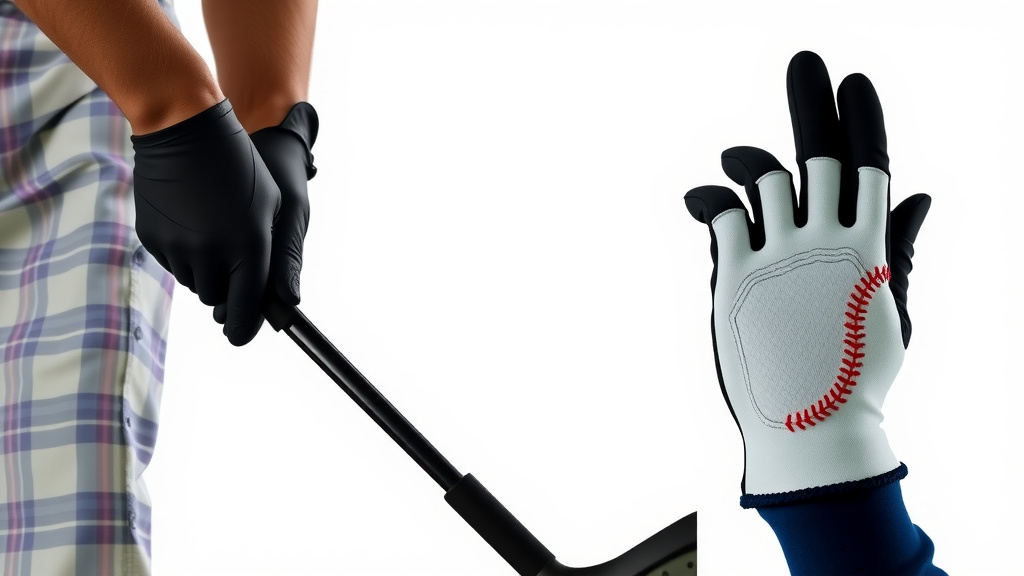
While both golf gloves and baseball gloves are designed to improve your grip, they are **not interchangeable**. A golf glove is thin and flexible, made for consistent feel and control of a club, while a baseball glove is padded and stiff, built to catch a fast-moving ball.
You might wonder if you can use one for the other sport. The reality is, trying to use a baseball glove for golf would feel bulky and awkward. Conversely, a golf glove offers no protection or catching ability for baseball. Each is a specialized tool for its respective sport, focusing on different protective and performance needs.
- Golf gloves: Thin, flexible, enhance club grip.
- Baseball gloves: Padded, stiff, protect hands while catching.
- Using the wrong glove hinders performance.
- Each glove is designed for a specific sport’s demands.
Let’s break down the key differences between these two common sporting gloves so you know exactly which one you need for your game.
“`htmlComparing Golf Gloves and Baseball Gloves: What’s the Difference?
You might have heard that golf gloves and baseball gloves are completely different. We found this to be absolutely true. They are designed with very different jobs in mind. Think of them like comparing a screwdriver to a hammer. Both are tools, but you wouldn’t use a screwdriver to pound a nail. Let’s dive into why.
The Design and Purpose of a Golf Glove
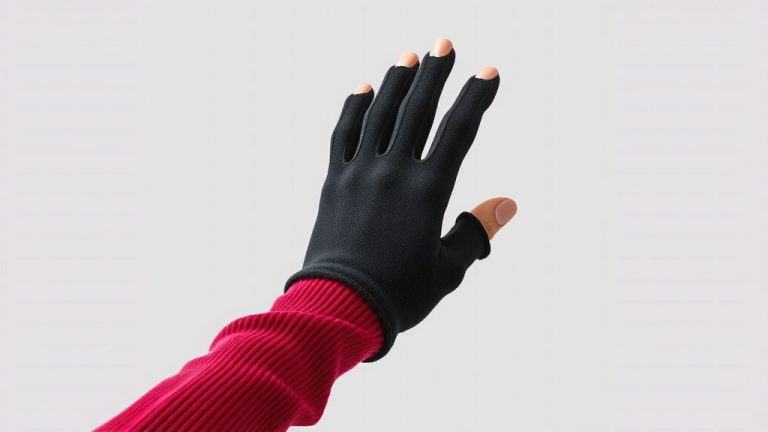
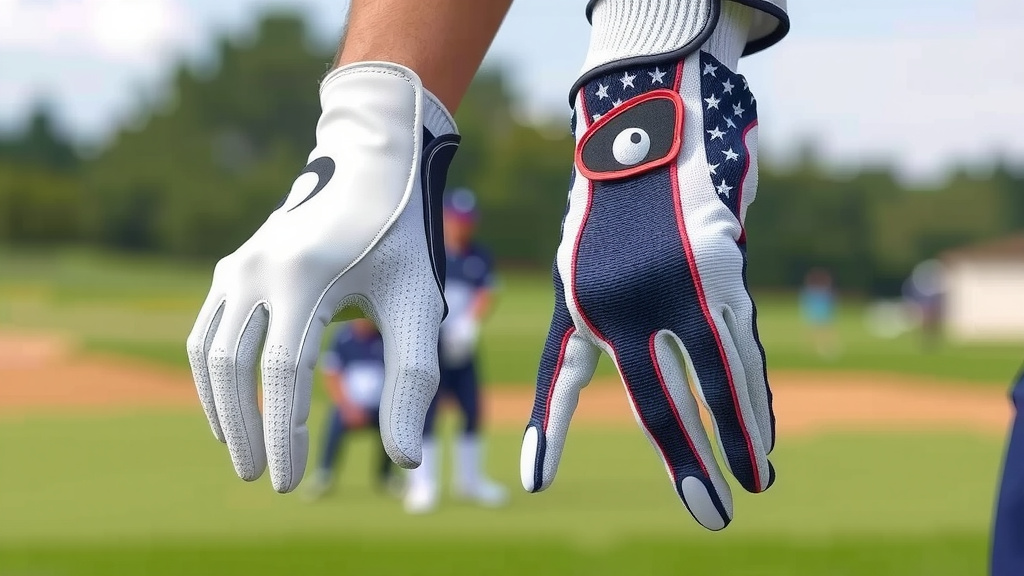
Golf gloves are all about feel and control. When you’re swinging a golf club, you need a consistent grip on the handle. A golf glove aims to give you that reliable connection. It’s typically made from thin leather or synthetic materials. This allows for maximum dexterity in your fingers. When comparing a CAD golf glove to a regular golf glove, the key difference lies in material flexibility and feel.
Materials Matter for Your Swing
The most common material for golf gloves is cabretta leather. This is a very soft and supple leather. It molds to your hand over time. This creates a custom fit. Synthetic materials are also popular. They offer durability and can perform well in wet conditions. Both types prioritize a thin, second-skin feel.
What a Golf Glove Does for Your Game
Your hand can get sweaty during a round of golf. This is especially true on warm days or during intense matches. Sweat can make the club slippery. A golf glove helps absorb that moisture. It also provides a bit of padding. This padding reduces friction. It can help prevent blisters from forming during long practice sessions or a full 18 holes. Many golfers find it gives them the confidence to swing harder.
Understanding the Baseball Glove
A baseball glove serves a completely different function. Its main job is to protect your hand. It also helps you catch a hard, fast-moving ball. Imagine trying to catch a 90 mph fastball with your bare hand! That’s where the baseball glove comes in. It’s built with much more padding and structure than a golf glove.
Construction and Padding: Safety First
Baseball gloves are usually made from thicker leather. They have significant padding in the palm and fingers. This padding acts as a shock absorber. It cushions the impact when the ball hits the glove. The glove also has a deep pocket. This helps secure the ball after it’s caught. The stiffness of the glove is intentional. It creates a more stable surface for catching.
The Role of a Baseball Glove in Fielding
Fielding in baseball involves reacting quickly. You need to scoop up ground balls or snag fly balls. The larger size and deeper pocket of a baseball glove make it easier to secure the ball. It extends your reach. It also allows you to trap the ball effectively. Without it, catching is painful and much less effective. You can’t play the game safely without one.
Key Differences Summarized
When you look at them side-by-side, the distinctions are clear. We’ve found that understanding these differences helps people choose the right equipment.
| Feature | Golf Glove | Baseball Glove |
|---|---|---|
| Primary Purpose | Enhance grip, feel, and prevent blisters | Protect hand, catch ball |
| Material Thickness | Thin, supple leather or synthetic | Thick, durable leather |
| Padding | Minimal, for comfort and moisture absorption | Substantial, for impact absorption |
| Flexibility | High, for dexterity | Low, for structure and protection |
| Size/Shape | Snug, form-fitting | Larger, with a deep pocket |
Why They Aren’t Interchangeable
Trying to use a baseball glove on the golf course would be a disaster. It would feel like swinging with a oven mitt on. You would lose all sense of club feel. Your grip would be awkward. Your swing speed would suffer. Conversely, wearing a golf glove to catch a baseball is just as unhelpful. You’d feel every bit of the impact. The glove offers no protection and no real catching ability.
Choosing the Right Glove for Your Sport
It really comes down to the demands of each sport. Golf requires fine motor control and consistent touch. Baseball demands protection and the ability to handle high-speed impacts. Making the wrong choice will definitely hinder your performance and potentially cause discomfort or injury.
A Quick Checklist for Your Needs
If you’re still wondering which glove is for you, consider this:
- Are you hitting a ball with a club? You need a golf glove.
- Do you need to catch a ball thrown or hit very hard? You need a baseball glove.
- Is comfort and grip on a club your main concern? Choose golf.
- Is protecting your hand from impact your primary need? Choose baseball.
- Do you need to feel the club shaft clearly? Go with a thin golf glove.
- Do you need a glove to help you scoop up grounders? A baseball glove is your friend.
We’ve found that most athletes understand this distinction quickly. It’s all about matching the tool to the task.
“`Conclusion
As you can see, golf gloves and baseball gloves are built for entirely different tasks. Your golf glove is your partner for grip and feel on the course. It’s thin and flexible for maximum dexterity. Your baseball glove is your shield on the field. It’s padded and sturdy to protect your hand. Trying to swap them would hinder your play and could even lead to discomfort. We’ve found that understanding this simple difference ensures you always pick the right tool for your sport. Make sure you grab the correct glove before your next game, and you’ll be set up for success!
Frequently Asked Questions
Can I use a golf glove to protect my hand while playing baseball?
No, a golf glove offers virtually no protection for catching a baseball. They are too thin and lack the necessary padding. You would likely feel the full impact of the ball, which could be painful and even cause injury.
Will a baseball glove help me grip a golf club better?
Absolutely not. A baseball glove is bulky, stiff, and designed for catching. It would make it impossible to get a proper feel for the golf club. Your grip would be awkward, and your swing would be severely compromised.
Are all golf gloves made of leather?
Most high-quality golf gloves are made from cabretta leather for its soft feel and flexibility. However, many synthetic and hybrid materials are also used. These can offer enhanced durability and better performance in wet conditions.
How often should I replace my golf glove?
This depends on how often you play and practice. For serious golfers, a glove may last a few months. Look for signs of wear like thinning material, lost grip, or holes. Replacing it when it loses its performance is key.
Why are baseball gloves so much bigger than golf gloves?
The larger size and deep pocket of a baseball glove are designed to help you catch a fast-moving ball. They extend your reach and make it easier to secure the ball. A golf glove needs to be snug for precise control of the club.