How Are Catcher’s Gloves Measured for the Perfect Fit
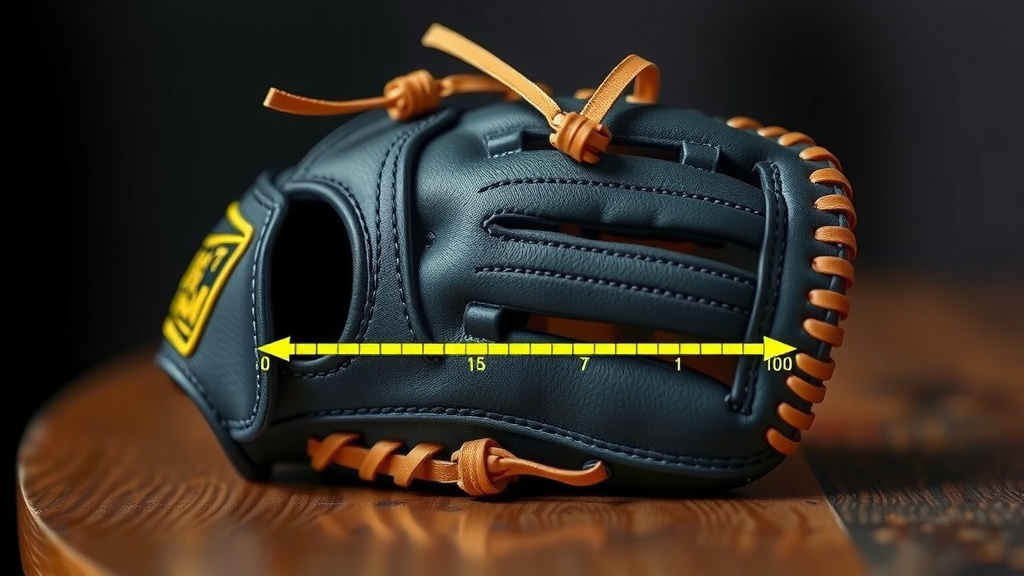
Catchers gloves are measured from the tip of the index finger to the heel of the glove. The most common sizes for youth players are 30-32 inches. Adult baseball players typically use gloves ranging from 32.5 to 34 inches, while fastpitch softball catchers might opt for 32-34 inches. This simple measurement is key to finding a glove that fits your hand and the ball perfectly, ensuring you can make every play.
Knowing your glove size helps you catch more confidently. A glove that’s too small can be difficult to close around the ball. One that’s too large can make it hard to control. We found that many players overlook this basic step. Getting the right size means better performance and more secure transfers. It’s about finding that perfect sweet spot.
TL;DR:
- Measure from index finger tip to glove heel.
- Youth gloves: 30-32 inches.
- Adult baseball: 32.5-34 inches.
- Fastpitch softball: 32-34 inches.
- Correct size equals better catching.
Ready to find your perfect fit? Let’s walk through exactly how to measure your catcher’s glove step by step.
So, you’re wondering about the nitty-gritty of catcher’s glove sizing? It’s more than just a number; it’s about finding that perfect pocket for your mitt. Think of it like finding the right tool for the job. Too big, and you might fumble the transfer. Too small, and you’ll struggle to secure the ball. Let’s break down how these important pieces of equipment get their measurements and what it means for your game.
Understanding Catcher’s Glove Sizing Metrics
We found that most catcher’s gloves are measured in inches. This measurement gives you a general idea of the glove’s size. It’s a pretty standard system used across the board. This way, you know what to expect when you pick one up.
The Official Measurement Method
Here’s the key takeaway: the measurement starts at the tip of the index finger. Then, it travels down along the inside of the glove. The measurement ends at the very heel of the glove. This is the standard way manufacturers determine size (Baseball America).
Why this specific method? It accounts for the glove’s depth and length. This is super important for a catcher. You need a glove that can comfortably fit the ball and allow for a quick close. It’s not just about the circumference; it’s about the entire playing surface inside the mitt.
Why Size Matters for Catchers
For catchers, glove size is incredibly important. A glove that’s too small can lead to dropped balls. It might also cause discomfort. Conversely, a glove that’s too large can hinder your ability to close the mitt quickly. This can affect your transfers to second base. It can also make it harder to block pitches cleanly.
We found that many players, especially younger ones, might not realize how critical the right size is. They might just grab what looks cool or what their friend uses. But proper sizing is a **foundational element** of good catching. It’s about building confidence with every pitch.
Decoding Glove Size Ranges by Age and Sport
You’ll see different size ranges for different players. These ranges aren’t random; they’re based on typical hand sizes and the ball being used.
Youth Baseball and Softball Glove Sizes
For the younger players just getting started, glove sizes are generally smaller. This makes sense, right? Kids have smaller hands.
- Youth Baseball: Typically, these gloves range from 30 to 32 inches. This size range works well for Little League and younger players.
- Youth Softball: Youth softball gloves often fall into a similar range, sometimes a bit larger, around 30-33 inches. Softball balls are slightly larger than baseballs.
We found that finding a youth glove within these parameters helps young players develop good habits. It’s easier for them to learn how to properly catch and secure the ball. A glove that’s too big can be a real struggle for a young athlete.
Adult Baseball Catcher’s Glove Sizes
As players get older and stronger, their glove needs change. Adult baseball gloves are typically larger to accommodate bigger hands and a regulation baseball.
Adult baseball catchers commonly use gloves measuring between 32.5 and 34 inches. This size offers ample room for the ball. It also allows for the quick, decisive closing motion needed at higher levels of play. Many pros stick to the 33-inch mark, but some prefer the extra inch for a slightly larger pocket.
Fastpitch Softball Catcher’s Glove Sizes
Fastpitch softball has its own sizing considerations. The ball is larger than a baseball, and the game’s dynamics might influence preference.
Fastpitch softball catchers often look for gloves in the 32 to 34-inch range. Some might even go up to 34.5 inches. The exact size can depend on the player’s hand size and personal preference for pocket depth. We found that many fastpitch players prefer a slightly deeper pocket.
Factors Beyond the Basic Measurement
While the inch measurement is your starting point, it’s not the whole story. Several other factors play a role in how a glove actually feels and performs on your hand.
The Role of Pocket Depth and Design
The measurement tells you the overall length, but the pocket depth is what really matters for snagging pitches. A deeper pocket helps secure the ball. It prevents it from popping out. This is especially vital when dealing with fast pitches or tricky breaking balls. Different glove models have varying pocket designs.
Some gloves are designed with a shallower pocket. These can be great for quick transfers. Others are built with a deeper pocket for maximum security. We found that a catcher’s comfort level with their pocket is a very personal choice.
Hand Size and Fit Considerations
Your individual hand size is a huge factor. Even within the same inch measurement, gloves can fit differently. A glove might feel snug or loose depending on your finger length and palm width. The finger stalls inside the glove should fit snugly. They shouldn’t be too tight or have too much extra room.
A glove that is too tight can restrict movement. It might even cause cramping during a long game. A glove that is too loose means your hand is sliding around. This reduces control and can lead to fumbles. It’s about finding that If you have larger hands, our guide to the best baseball glove for big hands can help you find a comfortable fit.perfect balance.
Material and Construction Impact
The materials used to make a glove can affect its fit and feel. High-quality leather, for example, will mold to your hand over time. This creates a more customized fit. Cheaper synthetic materials might feel stiffer and less forgiving. The overall construction, including the lacing and padding, also plays a part.
When you’re looking at gloves, don’t just glance at the size tag. Consider the materials. Think about how well it might break in. We found that investing in a well-constructed glove often pays off in comfort and performance.
Quick Checklist for Finding Your Glove Size
Ready to put this knowledge to work? Here’s a quick rundown to help you:
- Measure from index finger tip to glove heel.
- Consider the sport (baseball vs. softball) and age group.
- Note the standard size ranges for your specific category.
- Think about pocket depth and your personal preference.
- Ensure finger stalls fit snugly, not too tight or too loose.
- Try gloves on if possible; feel is just as important as size!
Conclusion
You’ve learned that measuring your catcher’s glove is straightforward. It’s all about finding that perfect fit from index finger tip to heel. We’ve seen how different age groups and sports have distinct size ranges. Remember, your glove is an extension of your hand. A properly sized mitt means better control and quicker plays behind the plate. Now you have the knowledge to select the right gear. Your next step is to grab a measuring tape and find the catcher’s glove that will boost your confidence and performance. Go get that perfect fit!
Frequently Asked Questions
How do I measure my hand for a catcher’s glove if I don’t have the glove yet?
You can’t directly measure your hand for a catcher’s glove’s inch size. The inch measurement refers to the glove’s interior length. Instead, focus on the general size ranges for your age and sport. Then, when trying gloves on, pay attention to how snugly the finger stalls fit your fingers.
Can I use a baseball catcher’s glove for fastpitch softball, or vice versa?
While you might be able to physically use one for the other, it’s not ideal. Softball gloves are often designed for a slightly larger ball and might have a deeper pocket. Baseball gloves are measured for a regulation baseball. Using the wrong type can affect your ability to secure the ball and make quick transfers.
What does “break-in period” mean for a catcher’s glove?
A break-in period refers to the time it takes for a new leather glove to become more flexible and conform to your hand. High-quality leather gloves often require breaking in. This involves working the glove to soften it and create a well-formed pocket for better feel and control.
Will a glove that’s too big actually hurt my game?
Yes, a glove that’s too large can definitely hinder your performance. You’ll struggle to close the mitt quickly around the ball. This makes securing pitches harder and slows down your transfers to other bases. It can also lead to a lack of confidence.
Is there a difference in how youth baseball and youth softball gloves are measured?
The basic measurement method (index finger tip to heel) is the same. However, the recommended size ranges often differ slightly. Youth softball gloves might be a bit larger, typically 30-33 inches, to accommodate the slightly larger softball compared to a youth baseball glove, which is usually 30-32 inches.